
24/7 Customer Support

Free returns

Same-day & Next-day Delivery

Quality Guaranteed
Download the APP
Categories
Finding a truly satisfying vegan sausage can feel like a quest. The supermarket aisles are filled with options, but not all plant-based sausages are created equal. Many of us have been disappointed by bland flavours or a mushy texture when what we really crave is a hearty, flavourful sausage for a classic vegan bangers and mash or a weekend breakfast butty.
As a Joybuy Product Recommendation Officer, my role is to help you navigate these choices. This guide cuts through the marketing clutter to offer practical advice and highlight some excellent options available for home delivery, helping you find the perfect meat free sausages for your next meal.
Before we look at specific products, here are a few key things to consider when making your selection. Understanding these points will help you find a sausage that meets your expectations for taste and texture.
The foundation of any vegetarian sausage is its protein source, which largely determines the final texture.
A great sausage is all about the seasoning. Look beyond the basic ingredients to the herbs and spices used. Traditional British profiles often feature sage (Lincolnshire) or black pepper, while more contemporary options might include ingredients like red onion, rosemary or caramelised onion for a richer, more complex taste.
Many of the most convenient options are frozen vegan sausages, which can be cooked directly from the freezer, making them a perfect staple for quick weeknight dinners. Check the packaging for recommended cooking methods—some are better suited for pan-frying to develop a crisp skin, while others bake beautifully in the oven.
Based on flavour, texture and versatility, here are a few standout options that consistently deliver a satisfying meal.
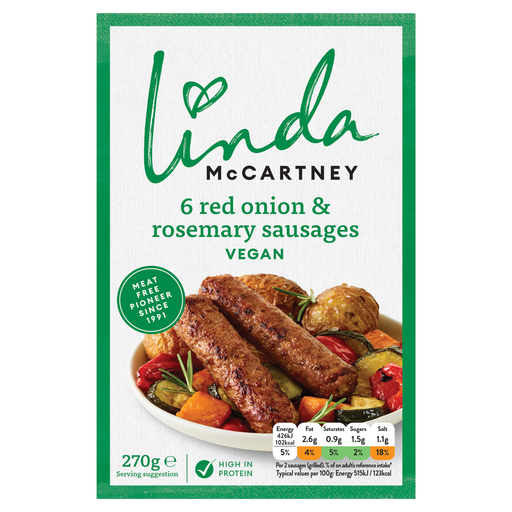
Why It Stands Out: These sausages offer a sophisticated and aromatic flavour that elevates them beyond a simple meat substitute. The combination of savoury red onion and fragrant rosemary creates a gourmet taste that pairs wonderfully with creamy mash and rich gravy.
vegan bangers and mash or for slicing into casseroles.View Linda McCartney's Red Onion & Rosemary Sausages on Joybuy
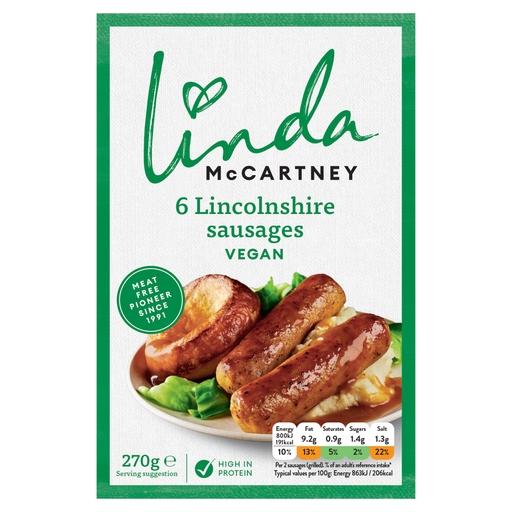
Why It Stands Out: This sausage successfully captures the essence of a British classic. The prominent notes of sage and pepper provide that traditional Lincolnshire flavour in a completely plant-based format. Made with pea protein, it's a fantastic soya-free option.
View Linda McCartney's Vegan Lincolnshire Sausages on Joybuy
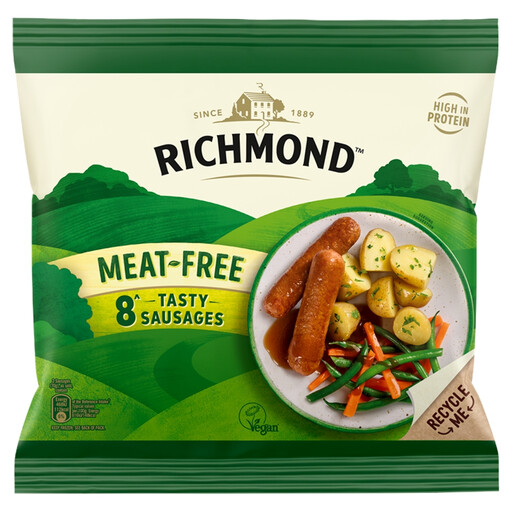
Why It Stands Out: Richmond has leveraged its long-standing reputation to create a meat free sausage that aims to replicate the taste and texture of its famous pork counterpart. These are designed to be a familiar, comforting and easy swap for families looking to reduce their meat consumption.
frozen vegan sausage that delivers a classic sausage experience.View Richmond Meat Free Vegan Sausages on Joybuy
These recommendations are a great starting point, but the world of plant-based eating is vast and varied. If you're looking for different flavours, formats like chipolatas or other meat alternatives such as burgers and mince, there is plenty more to discover.
To see a wider selection, we invite you to explore our full range of vegan meat alternatives and find the perfect products for your kitchen.
Vegan sausages are typically made from a protein base like soya, pea protein or wheat gluten. This is then combined with water, oils, starches and a blend of seasonings, herbs and spices to create the desired flavour and texture. Some may also include vegetables like onion or mushrooms.
Most frozen vegan sausages are designed for convenience and can be cooked directly from frozen. The most common methods are pan-frying with a little oil for about 12-15 minutes or baking in a preheated oven for 15-20 minutes. Always check the specific product packaging for the most accurate instructions to ensure they are cooked through and achieve the best possible texture.
Nutritional profiles can vary significantly between different brands and types of plant-based sausages. Generally, they are free from cholesterol and can be lower in saturated fat compared to their meat-based counterparts. However, it is always a good practice to check the nutrition label for salt and total fat content to make an informed choice that fits your dietary needs.