
24/7 Customer Support

Free returns

Same-day & Next-day Delivery

Quality Guaranteed

Unlock Your Welcome Offers: FREE Delivery | Up to 80% OFF | Free 30-day JoyPlus trial
Download the APP
A waterproof phone pouch can protect your smartphone during a rainy commute, beach day or swim session, but only when its seal, fit and intended use match the conditions. Many buyers focus on a dramatic depth rating or attractive colour, then discover that the touchscreen is difficult to use, the lanyard feels insecure or the pouch does not fit their phone with its case attached.
Before choosing a waterproof phone bag or floating phone pouch, check the practical details below.
A product title such as “50m waterproof phone pouch” may sound suitable for deep diving. In practice, waterproof performance depends on the seal, water pressure, wear, temperature and how the pouch is used. A pouch designed for swimming, kayaking or beach use is not automatically suitable for extended deep-water activities.
Depth claims should therefore be read alongside the product instructions. If you are buying for recreational water use, prioritise a secure closure and sensible testing rather than relying on one impressive number.
Transparent windows can support touchscreen access above water, but water pressure and the pouch material may reduce responsiveness when submerged. This can make swiping, unlocking or changing camera settings unreliable.
For swimming or snorkelling, start recording before entering the water or use your phone’s physical buttons where possible. This is particularly important if you plan to use a phone pouch for swimming rather than simply protecting your device from rain and splashes.
A pouch may accommodate a large smartphone but leave little room for a protective case. Check the maximum dimensions, phone size and whether the lanyard is included. A tight fit can make the closure harder to secure, while an oversized pouch may allow the phone to move around.
Also consider whether you need a 2-in-1 waterproof phone case for everyday carrying, a floating design for watersports or a lightweight beach phone pouch that can be stored flat.
Look for a double-lock, fold-over or zip-lock closure, but do not assume any seal is fail-safe. Before first use, place a dry tissue inside the empty pouch, seal it and submerge it for the period recommended by the manufacturer. Check the tissue carefully afterwards.
Repeat the test periodically and after noticeable wear. Inspect the seal for grit, sand, small tears or deformation before every water activity. Never place a valuable phone inside without completing this basic check.
An IPX8 waterproof phone pouch has an ingress protection rating associated with immersion under specified conditions. The exact test conditions can vary, so IPX8 should not be interpreted as unlimited protection at any depth or for any duration.
The White Label 2-in-1 pouch descriptions state that the products meet IPX8 and can be submerged at 10 metres for up to 30 minutes under the stated test conditions. That information should still be read with the usage instructions, seal checks and product limitations.
A phone pouch with lanyard can reduce the chance of dropping your phone while walking along a pier, boarding a kayak or relaxing beside a pool. Check that the lanyard attachment is secure and avoid using it near moving machinery or situations where it could snag.
A floating phone pouch may make retrieval easier if dropped in a pool, lake or calm sea. However, flotation does not replace a secure closure. For salt water or chlorinated water, rinse the pouch with fresh water and let it dry fully before storage. Avoid sharp objects and, where specified, high temperatures above 40°C.
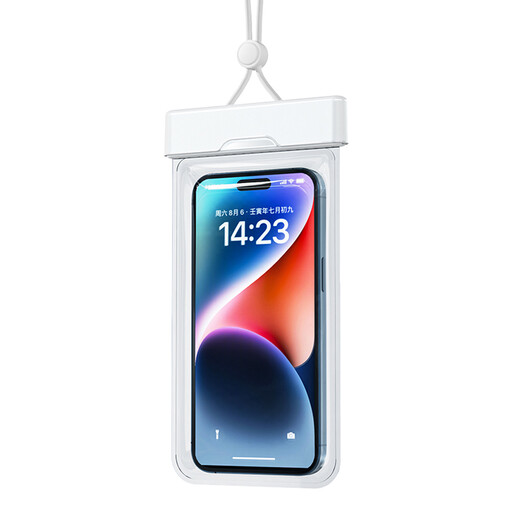
Why This Fits Their Persona: A straightforward option for UK residents wanting protection during rainy walks, beach visits, camping trips or occasional swimming without adding a bulky accessory to their kit.
The instructions specifically require a dry-tissue waterproof test and careful sealing before use, helping buyers avoid relying on appearance alone.
Designed to protect against water, sand, dust and snow; touchscreen-compatible window and lanyard support practical outdoor use.
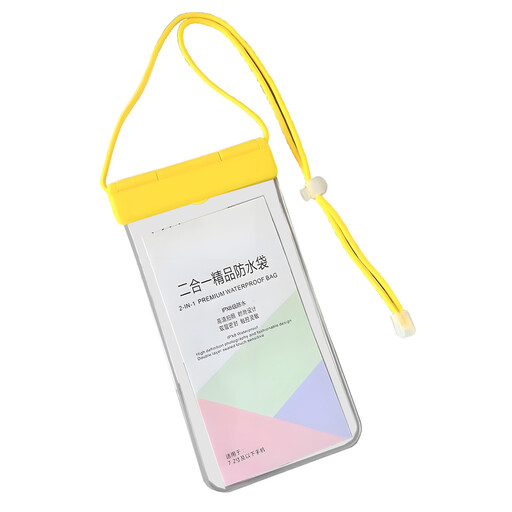
Why This Fits Their Persona: Suitable for shoppers who want one accessory for poolside use, travel, hiking and everyday protection, with a bright colour that is easier to spot in a bag.
Its listed double-lock closure and stated IPX8 rating provide clearer information than a vague “water-resistant” label, while the stated fit is for phones up to 6.7 inches.
2-in-1 format; stated floatable design; adjustable and detachable lanyard; transparent window for touchscreen and camera access.
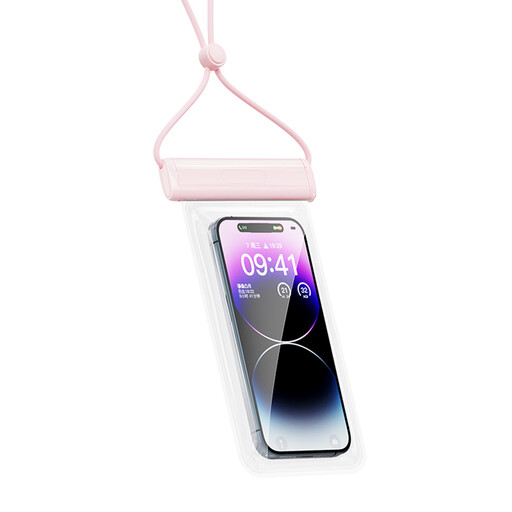
Why This Fits Their Persona: A practical match for frequent swimmers, boaters, snorkellers and travellers who want a named depth specification alongside a secure lanyard.
The product information still advises dry-tissue testing, seal checks and avoiding sharp objects, making clear that the 50m title does not remove the need for correct use.
Includes a lanyard; designed for water, sand, snow and dust protection; physical-button operation is recommended underwater.
We have compiled a complete, real-time list of products that fully satisfy these strict selection criteria and UK safety regulations.
It may be suitable when the product is specifically designed for immersion and used within its stated conditions. Complete the recommended dry-tissue test first, seal it carefully and remember that underwater touchscreen performance may be limited.
There is no fixed lifespan. Durability depends on frequency of use, exposure to salt or chlorine, heat, sharp objects and repeated opening and closing. Periodic empty-pouch testing and seal inspection are more useful than relying on a calendar date.