
24/7 Customer Support

Free returns

Same-day & Next-day Delivery

Quality Guaranteed

Unlock Your Welcome Offers: FREE Delivery | Up to 80% OFF | Free 30-day JoyPlus trial
Download the APP
From sticky fingers to muddy paws and kitchen spills, wet wipes offer a level of convenience that is hard to beat. Yet, the sheer variety on the shelves can be overwhelming, and choosing the wrong pack can lead to skin irritation, plumbing disasters or simply wasted money. As a Joybuy Product Recommendation Officer, my role is to help you navigate the market and find the right product for your needs without falling for the common marketing hype.
Before you add a pack to your basket, be aware of these common purchasing pitfalls:
To make an informed choice, focus on the product's specifications rather than its marketing claims. Here are the three most important factors to consider.
The material of the wipe itself determines its texture, strength and environmental impact.
biodegradable wipes. Materials like FSC-certified wood pulp or bamboo are renewable and will break down over time. They are generally softer on the skin, making them an excellent choice for personal care.The liquid solution is what does the cleaning. For personal use, a simpler formula is often better.
Sensitive Skin Wipes: Look for formulas with a high percentage of purified water (often 99% or more) and soothing ingredients like aloe vera. Ensure they are explicitly alcohol-free and fragrance-free. Certifications like OEKO-TEX indicate that the material has been tested for harmful substances.Antibacterial Wipes: These contain active disinfectants, such as Benzalkonium Chloride, to kill bacteria and viruses on surfaces. Always check the label to ensure they are suitable for the intended surface (e.g., food preparation areas, electronics) and note that they are not for personal hygiene.Using the wrong wipe for the job can be ineffective or even damaging.
Baby Wipes: Designed to be extremely gentle for use on delicate skin.Adult Body Wipes: Often larger, thicker and more durable for full-body cleansing, particularly useful in care settings.Floor Wipes: Formulated with cleaning agents to cut through grease and grime on hard surfaces.Dog Wipes: Specifically pH-balanced for a dog's skin and coat, avoiding ingredients that could be harmful if licked.Travel Wipes: Come in smaller, more portable packs for convenience on the go.Based on these practical criteria, here are a few recommendations tailored to specific needs.
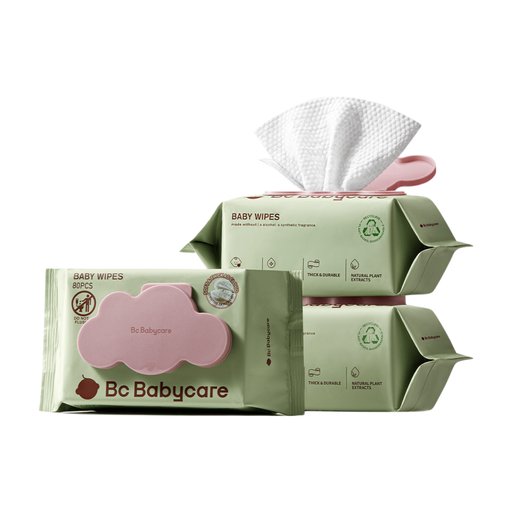
Why This Fits Their Persona: For parents seeking reassurance, these wipes are designed for the most delicate skin. The focus is on purity and safety, which is paramount when caring for a newborn.
It sidesteps the 'sensitive skin' trap by being OEKO-TEX certified, fragrance-free and made with 99% purified water, offering third-party validation of its gentle formula.
The material is three times thicker than many standard wipes, meaning fewer are needed per nappy change. The plant-based fibres are also 100% biodegradable.
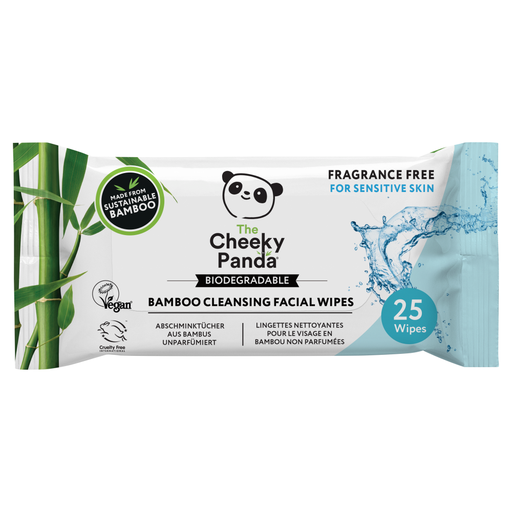
Why This Fits Their Persona: Ideal for those who prioritise sustainability without compromising on quality. These wipes are versatile for personal use and align with a plastic-free lifestyle.
This product directly counters 'greenwashing' by using 100% FSC-certified bamboo. The claims of being plastic-free and biodegradable are backed by the material choice.
Made from a fast-growing, sustainable resource. The formula is 99% purified water and dermatologically tested, making it suitable for cleansing face and hands.
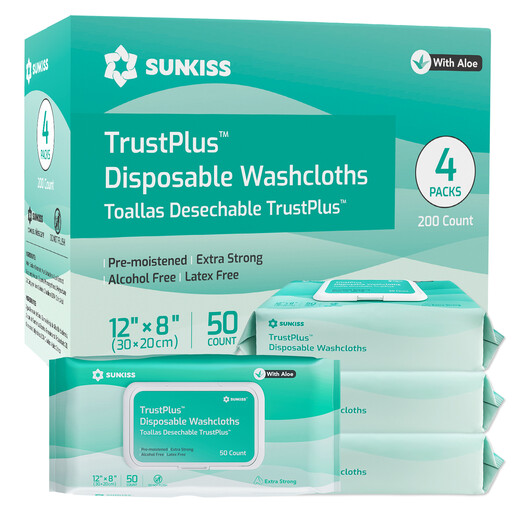
Why This Fits Their Persona: Caregivers need practical, reliable solutions. These wipes are specifically designed for rinse-free, full-body cleansing, offering dignity and comfort for those with limited mobility or incontinence needs.
It avoids being a generic wipe with a new label. The extra-large 20cm x 30cm size and thick 65 g/m? fabric are tangible features designed for heavy-duty adult care, not just marketing terms.
The tear-resistant material and large surface area provide an effective clean with fewer wipes. The pH-neutral, alcohol-free formula with aloe and vitamin E is gentle on sensitive, fragile skin.
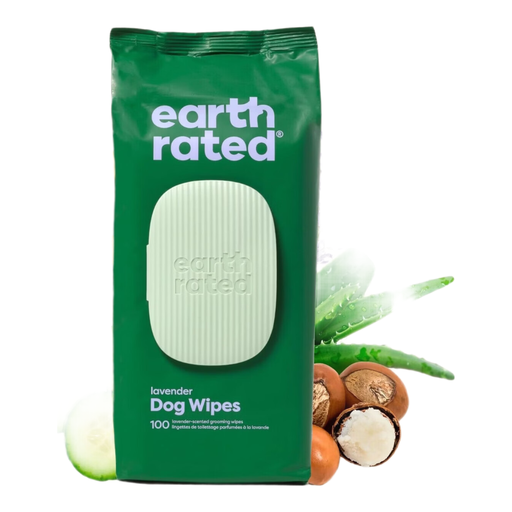
Why This Fits Their Persona: Perfect for cleaning muddy paws after a walk or freshening up fur between baths. These wipes are formulated specifically for dogs, ensuring they are safe and gentle for your four-legged family member.
It avoids the risk of using human wipes on pets by using a pet-safe, hypoallergenic formula. It also avoids 'greenwashing' by being made of certified compostable, plant-based material.
The formula is enriched with shea butter, aloe vera and chamomile for gentle cleansing and conditioning. The wipes are alcohol-free and paraben-free for peace of mind.
We have compiled a complete, real-time list of products that fully satisfy these strict selection criteria and UK safety regulations.
This is a common point of confusion. While some flushable toilet wipes are designed to break apart in water, many still contribute to sewer blockages. For a wipe to be considered safe for UK sewers, it should have the official 'Fine to Flush' certification from Water UK. If it doesn't have this logo, it should be disposed of in a bin. Even with certified wipes, it is advisable to flush only one or two at a time. Never flush baby wipes, cosmetic wipes and surface cleaning wipes.
These terms are often used interchangeably, but they mean different things.
Most packs of wet wipes are best used within one to three months of opening. The effectiveness depends heavily on the packaging. A pack with a rigid, flip-top plastic lid will keep wipes moist for much longer than one with a simple resealable sticker, which can lose its adhesion over time. Always ensure the pack is sealed tightly after each use to prevent the wipes from drying out and to maintain hygiene.