
24/7 全天候客户支持

免费退货

当日/次日达

品质保障

开启新人专享福利: 全场免邮 | 低至 2 折 | 免费试用 30 天 JoyPlus 会员
下载 Joybuy
Navigating the world of whey protein powder can feel overwhelming. Shelves are packed with tubs promising rapid muscle growth or effortless weight loss, but the reality is often a lumpy, unpleasant-tasting shake that doesn't deliver. Many UK consumers find themselves paying a premium for products that are either poorly formulated or simply not suited to their goals. As your Joybuy Product Recommendation Officer, my role is to help you see past the marketing jargon and make an informed choice.
Before you spend your hard-earned money, let's look at a few common pitfalls that can lead to buyer's remorse.
To avoid these issues, focus on a few core parameters. Understanding these will empower you to choose a product that genuinely aligns with your needs, whether that's protein powder for muscle growth or a low carb protein powder for toning.
The main difference between these lies in the filtering process, which affects protein content, digestion speed and lactose levels.
Always check the "per serving" nutritional information. Your goal dictates what you should look for:
Many formulas, particularly diet whey products, include extra ingredients. Look for meaningful additions rather than marketing fluff. Ingredients like CLA (Conjugated Linoleic Acid), Acetyl L-Carnitine and Green Tea Extract are often included in weight management blends for their roles in metabolism. Always check the dosage to ensure it's a functional amount, not just a sprinkle for the label.
Based on these practical criteria, here are some whey protein powders suited to different user needs and goals.
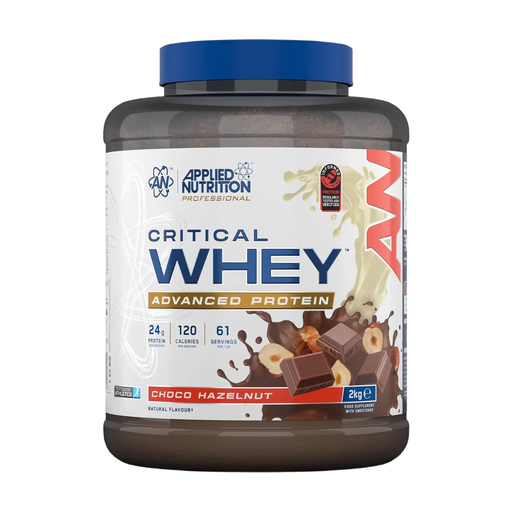
Why This Fits Their Persona: This is a versatile, high-value option for those who need a reliable daily protein source for post-workout recovery and general health. The 2kg tub offers great economy for consistent users in the UK.
It avoids the "bad taste" trap by using a popular flavour profile and a formula known for its smooth mixability, ensuring a pleasant shake every time.
Features a multi-source protein blend (concentrate, isolate and hydrolysate) for both fast and sustained amino acid release. Provides 24g of protein per serving.
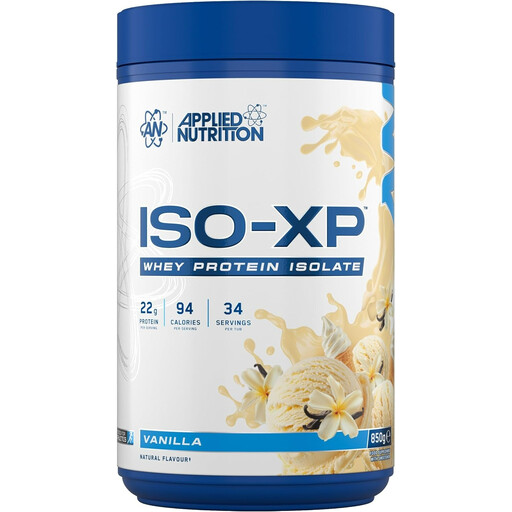
Why This Fits Their Persona: Perfect for individuals who track their macronutrients meticulously. Its high purity makes it an ideal low carb protein powder for building lean muscle without excess calories.
It sidesteps the "proprietary blend" trap by being 100% whey protein isolate. The label is transparent, showing virtually zero fat, sugar or carbs per serving.
Delivers an exceptionally high protein content (22.5g per 25g serving) from grass-fed whey. It's soy-free and uses sunflower lecithin for excellent mixability.
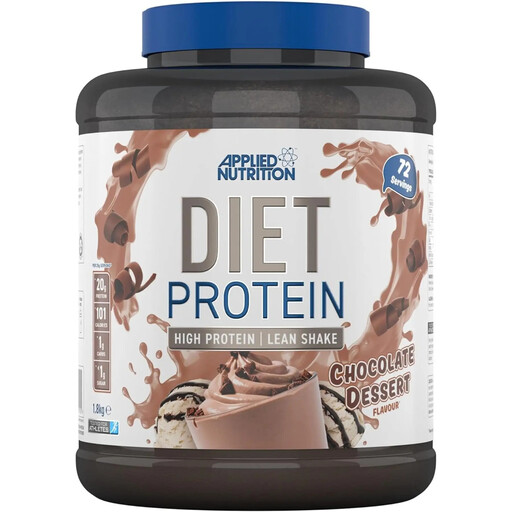
Why This Fits Their Persona: This is specifically designed for those seeking a protein powder for weight loss. It helps preserve lean muscle during a calorie deficit while supporting metabolic rate.
It avoids the "misleading diet label" trap by including a transparent list of active ingredients like Acetyl L-Carnitine, CLA and Green Tea Extract in meaningful amounts.
Delivers 20g of protein with exceptionally low carbs and sugars. The added ingredients are specifically chosen to support fat metabolism during a diet phase.
We have compiled a complete, real-time list of products that fully satisfy these strict selection criteria and UK safety regulations.
1. What's the actual difference between 'diet whey' and a whey isolate? A diet whey is specifically formulated for weight management. It typically contains a blend of proteins and adds active ingredients like L-Carnitine or Green Tea Extract to support metabolism. It's designed to be low in calories, carbs and fats. A whey protein isolate is focused on one thing: delivering the purest protein possible. It has the highest protein concentration and the lowest levels of lactose and fat, making it ideal for strict macro-trackers or those with lactose sensitivity, but it doesn't contain the extra metabolic support ingredients.
2. I'm lactose intolerant. Can I still use whey protein? Yes, you likely can, but you need to be selective. Whey concentrate contains the highest amount of lactose and may cause digestive discomfort. You should opt for a whey protein isolate, as the extensive filtration process removes the vast majority of lactose. For even greater certainty, a hydrolysed whey or a clear whey protein is often even easier to digest and virtually lactose-free. Always check the label and consider starting with a small serving to see how you react.
3. How should I mix my whey protein for the best taste and texture? For a smooth, clump-free shake, always use a dedicated shaker bottle with a mixing ball or mesh grid. Add your liquid (cold water or milk) to the shaker first, then add the powder on top. This prevents the powder from sticking to the bottom. Shake vigorously for 20-30 seconds. If you still find the texture isn't to your liking, mixing it in a blender will produce an even smoother result and allows you to add other ingredients like fruit or oats.