
24/7 Customer Support

Free returns

Same-day & Next-day Delivery

Quality Guaranteed
Download the APP
Categories
Navigating the supermarket aisle for 'white vinegar' can be surprisingly complex. You are faced with bottles labelled rice vinegar, white wine vinegar and distilled malt vinegar, all occupying the same shelf space. Which one is for that tangy salad dressing? Which is the secret to perfect sushi rice? And which one is best left for cleaning the windows? The confusion is understandable.
As the Joybuy Product Recommendation Officer, my role is to help you make sense of your shopping list. This guide will demystify the world of white vinegar, breaking down the key differences so you can confidently choose the right bottle for your culinary creations, whether you're preparing a classic European dish or exploring Asian flavours.
Before adding a bottle to your basket, consider these practical points. They will help you select a cooking vinegar that enhances, rather than overpowers, your food.
The ingredient a vinegar is made from is the single biggest factor in its taste.
Think about what you cook most often. If your go-to meals involve stir-fries, sushi or Asian-inspired marinades, a quality rice vinegar is essential. If you frequently make salads, roast vegetables or cook French and Italian dishes, a good white wine vinegar will be more versatile for your needs. Having one of each in your pantry covers a vast range of culinary ground.
Not all vinegars are created equal. Some may contain added sugars, flavourings or preservatives. For the purest taste, look for a short ingredient list. For instance, a high-quality rice vinegar might only list water, rice and edible alcohol. This ensures you are getting a clean flavour that allows the other ingredients in your dish to shine.
Based on their ingredients, origin and suitability for specific culinary tasks, here are a few recommendations to consider for your kitchen pantry.
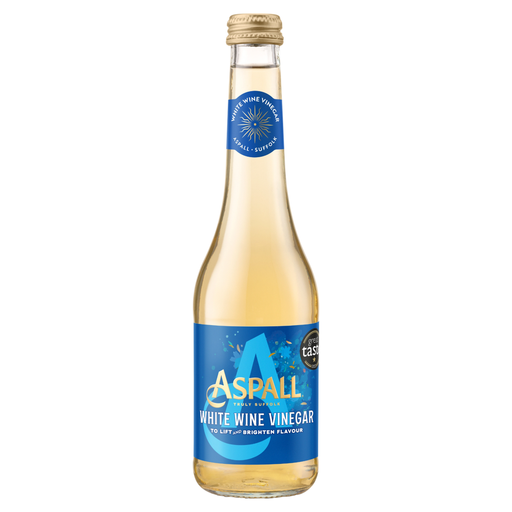
Why It Stands Out: Made with 100% Spanish grapes, this vinegar from Aspall offers a classic European profile. It is described as sweet and full-bodied, providing a robust yet balanced acidity that can elevate simple dishes. Its heritage and quality ingredients make it a reliable choice for everyday cooking.
Pros:
Who is it for? This is an excellent all-purpose vinegar for home cooks who enjoy Mediterranean and European flavours and are looking for a dependable option for their salad dressings and general cooking needs.
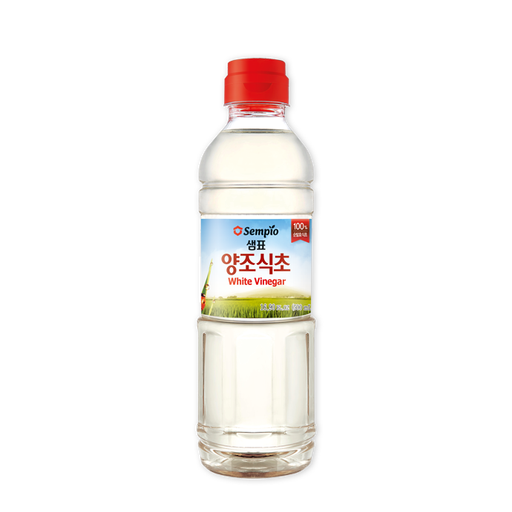
Why It Stands Out: This Korean vinegar from Sempio is crafted from high-quality brown rice, giving it a distinctly mild and mellow flavour without any harshness. Its gentle acidity is specifically suited for delicate applications, particularly for making authentic-tasting sushi rice vinegar seasoning without overpowering the rice.
Pros:
Who is it for? Perfect for culinary enthusiasts diving into Japanese or Korean cuisine. If you want to make sushi at home or need a gentle vinegar for Asian-style salads and pickles, this is a fantastic choice.
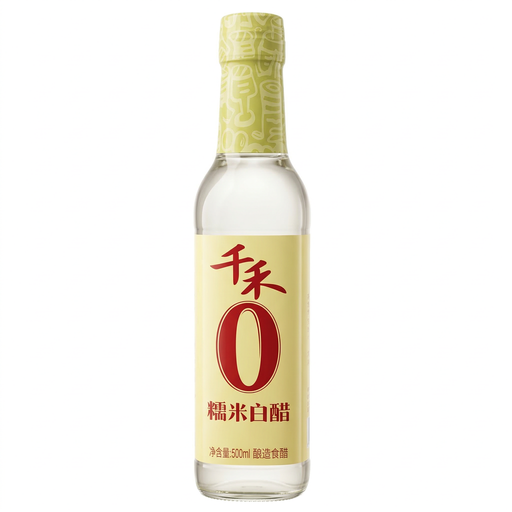
Why It Stands Out: This Chinese vinegar is brewed from glutinous rice and is notable for its pure, clean profile and commitment to "zero additives." It contains no added preservatives, colours or sugar. Its colourless appearance and mild acidity make it exceptionally useful for cold dishes, dressings and pastries where you want to add a touch of tang without altering the colour of the final product.
Pros:
Who is it for? Health-conscious cooks and those who appreciate a minimalist approach to ingredients. It is a versatile staple for anyone needing a gentle rice vinegar for dipping sauces, cold appetisers or light seasoning.
These recommendations offer a glimpse into the distinct types of white vinegar available for your kitchen. If your recipe calls for something different, or you simply wish to explore a broader selection of speciality vinegars from around the world, there are many more to discover.
Explore our complete range of cooking white vinegar here.
1. Can I use any white vinegar for pickling? For successful pickling, the vinegar's acidity is key, as it is responsible for preserving the food. Most recipes call for a vinegar with at least 5% acidity. Distilled white vinegar is a popular choice for this reason. However, a sharp white wine vinegar can also be used for a pickling vinegar, often imparting a more complex flavour to the pickles. Always check your recipe's recommendation.
2. What is the main difference between rice vinegar and white wine vinegar? The primary difference lies in their base ingredient and resulting flavour. White wine vinegar is made from white wine, giving it a tangy, fruity and relatively sharp taste common in European cooking. Rice vinegar is made from fermented rice, which results in a much milder, sweeter and less acidic flavour, making it a cornerstone of Asian cuisine.
3. Is there a difference between Chinese and Korean rice vinegar? Yes, there can be subtle differences. Korean vinegar, like the Sempio example, is often brewed from brown rice and is prized for its exceptionally smooth and mellow profile. Chinese vinegar varies more widely, but high-quality versions like QianHe are often celebrated for their clean, neutral taste, making them highly versatile. The choice between them often comes down to the specific flavour nuance a recipe requires.