Cream-tea hosts wanting a traditional serve
If you are planning tea with jam and clotted cream, scones are the more familiar base. Sainsbury’s describes classic fruit scones as served with clotted cream and jam.


M&S, Tesco, Sainsbury’s and Waitrose croissant listings identify butter, plain and filled pastries rather than a clearly labelled wholemeal croissant. For a traditional cream tea, choose plain or fruit scones with jam and clotted cream; when wholegrain matters more, use a clearly labelled wholemeal ingredient or bakery item and check the exact pack before serving.
If you are planning tea with jam and clotted cream, scones are the more familiar base. Sainsbury’s describes classic fruit scones as served with clotted cream and jam.
If wholegrain or fibre is the reason for choosing a pastry, check for an explicit wholemeal or wholegrain statement rather than assuming an all-butter croissant qualifies. The NHS advises choosing wholegrain versions of starchy foods where possible when increasing fibre intake.
If bakery items are being served to guests, use the exact pack information. For qualifying prepacked-for-direct-sale foods in England, Wales and Northern Ireland, the Food Standards Agency requires a full ingredients list with allergens emphasised.
Choose it when: you want the familiar combination of scones, jam and clotted cream.
Keep in mind: standard shop-bought scones are not automatically wholemeal.
Choose it when: you specifically want a flaky pastry with tea and wholemeal is not essential.
Keep in mind: all-butter croissants are a breakfast-style alternative rather than the usual base for a cream tea.
Choose it when: a clearly identified wholegrain ingredient matters more than serving a ready-made croissant.
Keep in mind: baking takes preparation, and the chosen flour should suit the recipe.
| Priority | What to check | Your needs |
|---|---|---|
| Wholemeal identification | Look for “wholemeal” or “wholegrain” on the exact pack. Check the ingredient list and any fibre declaration per 100 g or per serving. | I want a bakery choice that is clearly identified as wholemeal, not simply brown, buttery or premium. The NHS notes that choosing wholegrain versions can help increase fibre intake. |
| Cream-tea fit | Choose plain or fruit scones for jam and clotted cream. If serving croissants, prefer plain, unfilled ones and present them as an alternative pastry. | I want guests to recognise the familiar cream-tea combination rather than find a breakfast pastry in its place. |
| Ingredients and freshness | Read the exact ingredients and highlighted allergens. Follow storage directions and distinguish a use-by date from a best-before date. | I need to know what everyone is being served and whether the pastry will still be suitable for the event. GOV.UK states that use-by dates concern safety, while best-before dates concern quality. |
Butter, colour and premium positioning do not establish that a pastry contains wholemeal flour. A standard croissant may not meet the reason you were looking for a wholegrain option.
Look for an explicit wholemeal or wholegrain statement on the exact pack, then check the ingredients and fibre information. If it is not available, consider a clearly labelled wholemeal bread item or homemade wholemeal scones.
Chocolate, almond or custard fillings change the flavour balance and can introduce additional allergens. They can compete with the jam and clotted cream usually associated with a cream tea.
Choose plain or fruit scones for a traditional table. If croissants are included, select plain unfilled pastries and label them separately.
Ingredients, allergens and recipes can vary between products, packs and bakery counters. A category description is not a substitute for the information on the item being served.
Read the exact pack’s ingredients and highlighted allergens, or obtain the retailer’s current allergen information before serving anyone with an allergy or intolerance.
Pastries can lose quality when stored incorrectly, and a use-by date is a food-safety limit.
Buy close to the occasion where practical, follow the pack storage instructions, and do not eat food after its use-by date.
A UK food retailer with all-butter, reduced-fat and filled croissants in its bakery range.
Tesco’s premium own-label range includes Tesco Finest All Butter Croissants 4 Pack.
A supermarket with butter croissants and a dedicated scone range for cream-tea shopping.
A supermarket bakery range with plain, all-butter, flavoured and No.1 butter croissants.
A value-focused supermarket with an in-store bakery range covering breads and pastries.
A UK supermarket with bakery grocery pages, including an all-butter croissant listing.
Joybuy options for the wholegrain-priority route: these are baking ingredients for making a homemade wholemeal alternative, not ready-made croissants or scones.
 No image available
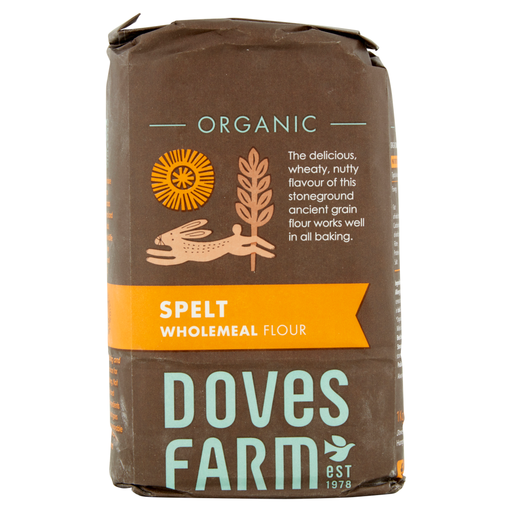
A wholemeal flour option for home bakers making a cream-tea alternative.
The product information identifies stoneground wholemeal spelt flour and lists 11 g fibre per 100 g. It contains gluten from spelt wheat.
This is flour rather than a ready-made croissant or scone, so baking and additional recipe ingredients are required. Check that your chosen recipe is suitable for wholemeal spelt flour.
 No image available
A clearly labelled whole-wheat flour for shoppers prepared to bake at home.
The stated nutrition information lists 11 g fibre per 100 g. Its product description focuses on bread use and it contains wheat.
This is not a ready-made cream-tea pastry. Use a recipe designed for strong wholemeal flour if you plan to make scones.
 No image available
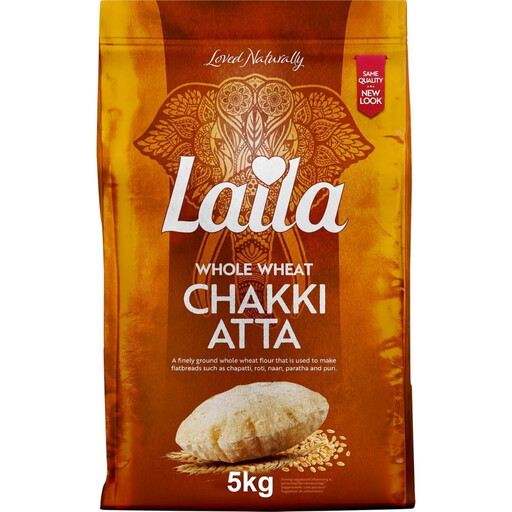
A wholemeal flour option for regular home baking rather than a ready-to-serve pastry.
The ingredient information identifies wholemeal wheat flour and the nutrition information lists 14 g fibre per 100 g. It contains wheat and gluten.
The product is described for chapattis, parathas and puris, so check a compatible recipe before using it for wholemeal cream-tea scones.
The cited M&S, Tesco, Sainsbury’s and Waitrose croissant listings mainly identify all-butter, plain, almond, chocolate and other filled varieties rather than a clearly labelled wholemeal croissant. Check the current pack before treating any pastry as wholemeal.
Choose plain or fruit scones with jam and clotted cream. Sainsbury’s describes classic fruit scones in this way, while the cited croissant material positions croissants as breakfast or snack pastries.
No. “Brown” alone does not establish a wholemeal formulation. M&S describes its Brown Scone as pairing with clotted cream and jam, so check the exact ingredients and nutrition information if wholemeal content matters.
Use the exact product label or the retailer’s current allergen information. For qualifying prepacked-for-direct-sale food in England, Wales and Northern Ireland, the Food Standards Agency requires the food name, a full ingredients list and emphasised allergenic ingredients.
Follow the storage instructions on the pack. GOV.UK states that a use-by date is a food-safety limit, while a best-before date concerns quality; food may be past its best after that date even if it remains safe.