Shoppers set on wholemeal pancakes
Choose flour explicitly labelled wholemeal and a recipe that calls for it, rather than relying on the word “pancake” on a mix or ready-made pack.


If wholemeal flour is essential, make pancakes from a recipe that specifies it: M&S Food gives a six-serving example using 100g of plain wholemeal flour, and both M&S and Tesco list plain wholemeal flour. A shaker reduces measuring and ready-made pancakes reduce preparation, but check the exact product’s ingredients before relying on either as a wholemeal option.
Choose flour explicitly labelled wholemeal and a recipe that calls for it, rather than relying on the word “pancake” on a mix or ready-made pack.
Making batter lets you choose the flour and toppings. A shaker reduces measuring but still needs cooking; ready-made pancakes call for a check of the exact pack if wholemeal matters.
Compare nutrition information for the product and serving you plan to use, and read its current ingredients and allergen information. “Wholemeal” alone does not answer those separate questions.
Decide whether wholemeal flour is a firm requirement, then compare the preparation involved and how much of each pack you are likely to use.
Choose this when: You want to select the wholemeal flour yourself and have time to prepare and cook pancakes.
Bear in mind: You will need the recipe’s other ingredients and equipment as well as flour.
Choose this when: Less measuring matters, and the exact mix has the ingredients you want.
Bear in mind: Tesco’s Traditional Pancake Shaker still requires pan cooking; its product name does not establish wholemeal content.
Choose this when: Avoiding batter preparation matters more, and you can check the exact pack against your requirements.
Bear in mind: A place in a pancake range does not establish that a particular product contains wholemeal flour.
| Priority | What to check | Your needs |
|---|---|---|
| Wholemeal content | Look for wholemeal flour in the exact product’s ingredients. If cooking from scratch, check that the recipe specifies the flour you intend to buy. | I want wholemeal in the batter, not just a convenient pancake format. |
| Pack use | Compare pack weights on the same basis and consider the recipe quantity. M&S Food’s example uses 100g of plain wholemeal flour for six servings. | A large bag only suits me if I expect to use what remains after this batch. |
| Preparation | Check what must be added and whether cooking is still required. Tesco instructs shoppers to add water to its Traditional Pancake Shaker and shake before pan cooking. | Less measuring would help, but I still need to allow time to cook a shaker mix. |
| Pack information | Read the current ingredients, allergen information, nutrition values and serving size for the exact item. | Before choosing a mix or finished pancake, I need to know what is in that particular pack. |
A mix or ready-made pancake can meet the convenience requirement without meeting the wholemeal requirement.
If wholemeal is essential, choose flour explicitly named wholemeal or check the exact mix or finished product’s ingredients before buying.
Pack weights alone do not show how much batter you can make or whether you will use the remainder.
Check the flour quantity per batch and list the other ingredients the recipe requires.
Cooking from scratch also takes preparation and pan time; toppings add further ingredients if you choose to use them.
The flour description does not identify every ingredient in a mix, finished pancake or chosen topping.
Read the current ingredients and allergen information for each exact product you intend to use.
These retailer examples show different ways to shop for the ingredients or finished pancakes; a retailer’s range does not establish the ingredients of every product in it.
Tesco lists plain wholemeal baking flour and, separately, a Traditional Pancake Shaker.
M&S Food pairs a wholemeal pancake recipe with a listing for 1kg plain wholemeal flour.
Waitrose has a pancakes and crêpes category for shoppers considering ready-made products.
These are flours for making pancakes yourself, not shaker mixes or ready-made pancakes. They are distinct from the plain wholemeal flour specified in the M&S Food recipe, so check whether your chosen recipe suits the particular flour.
 No image available
A wholemeal flour option for making batter yourself. This is Very Strong bread flour rather than the plain wholemeal flour named in the M&S Food recipe; check your recipe before substituting it.
 No image available
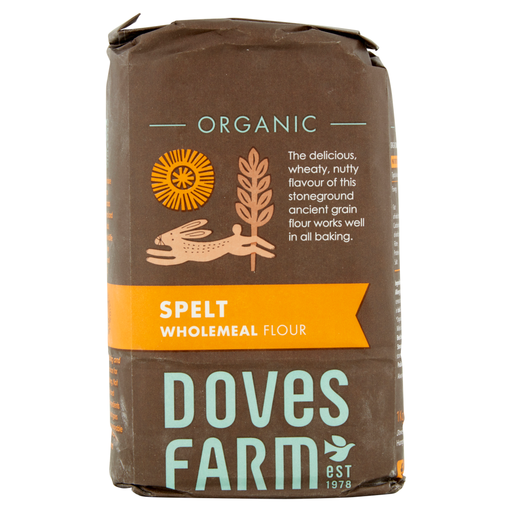
A wholemeal spelt flour for a scratch-made batter. It is not the plain wholemeal flour specified in the M&S Food recipe, so check the recipe and ingredients before choosing this variant.
 No image available
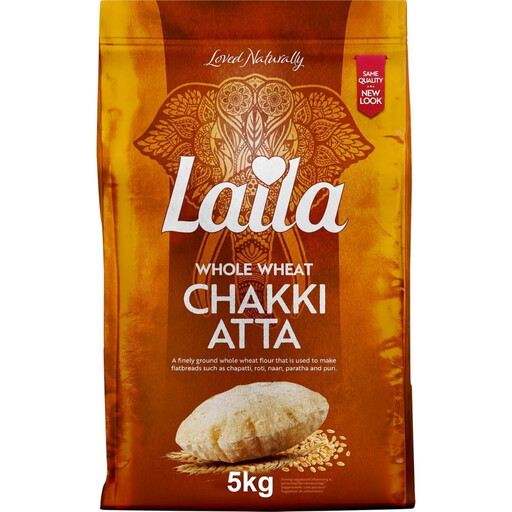
A 5kg atta flour option for households considering a larger bag. If wholemeal content is essential, confirm it on the current ingredients label, and check that your pancake recipe suits atta.
No. “Shaker” describes the preparation format, not the flour type. Tesco describes its Traditional Pancake Shaker as a batter mix; check the current ingredients if wholemeal flour is essential.
Start with a recipe that specifies wholemeal flour and buy that flour type. M&S Food’s six-serving recipe specifies 100g plain wholemeal flour, 120ml milk and baking powder; check the full recipe for the remaining ingredients and method.
Compare pack weights, the amount needed for a batch and what else you must add. A larger flour bag makes sense only if you expect to use the remainder; Tesco’s 155g Traditional Pancake Shaker instead uses an add-water method and still needs pan cooking.
No. Check the nutrition information for the exact flour or finished product, including whether values are given per 100g or per serving. The finished recipe and serving size also matter.
Read the current ingredients and allergen information on each exact flour, mix, ready-made pancake and topping you plan to use. A general range description or the word “wholemeal” is not a substitute for the product’s label.