Caterers with a firm wholemeal brief
Use a recipe with clearly labelled wholemeal flour so you can document what goes into the pancake base. Test the recipe and portion size with your event equipment before planning the full batch.


For a firm wholemeal brief, making pancakes with clearly labelled wholemeal flour gives you control over the base: the ready-made ranges listed by Tesco, Sainsbury’s, Waitrose and M&S do not identify a wholemeal pancake. Ready-made packs involve less preparation when wholemeal is optional, but check the exact product’s ingredients, allergens and pack count before ordering. Either route needs a service plan that works for the number of attendees.
Use a recipe with clearly labelled wholemeal flour so you can document what goes into the pancake base. Test the recipe and portion size with your event equipment before planning the full batch.
Ready-made pancakes can reduce preparation for a breakfast break when wholemeal is not essential. Check the exact pack count, ingredients and local availability against your serving plan.
Keep wholemeal preferences separate from gluten-free requests. Record the ingredients in each pancake and topping, and plan how staff will manage allergen information and cross-contact during service.
Choose when: The menu must demonstrably use wholemeal flour, or you need to set the pancake format yourself.
Allow for: Recipe trials, equipment, preparation time and a tested plan for serving the batch.
Choose when: Less preparation matters more than specifying a wholemeal pancake base.
Check: Do not count a pack towards a wholemeal brief unless its exact product information confirms that requirement.
| Priority | What to check | Your needs |
|---|---|---|
| Wholemeal base | Check that the flour or exact ready-made pancake is described as wholemeal; read the ingredient information rather than relying on its colour, flavour or protein wording. | If the menu promises wholemeal pancakes, I need to identify the flour used in the base, not just the style of pancake. |
| Batch and service | Test a scratch-made recipe with the intended equipment and portion size. For ready-made packs, calculate servings from the exact pack count and confirm the service plan. | I need enough portions ready for the conference break without treating a small recipe yield as a tested event yield. |
| Allergens | Check every pancake and topping ingredient, including the flour, egg and milk where used. Plan ingredient records and controls for preparation and display. | Attendees need accurate allergen information for what will actually be served, including any toppings added at the buffet. |
| Gluten-free requests | Check a separate gluten-free product or recipe against its own ingredients and plan controls for cross-contact; wholemeal wheat, spelt or rye is not a gluten-free substitute. | If someone requests gluten-free food, I cannot use the wholemeal pancake label as evidence that their requirement is met. |
A pancake’s appearance or another product claim does not establish which flour is in its base.
Put the required wholemeal wording in the order brief and check the ingredient information for the exact product before accepting a substitution.
Wholemeal wheat, spelt and rye contain gluten. Conversely, a gluten-free pancake need not be wholemeal.
Handle gluten-free requests separately, checking the selected product or recipe and managing cross-contact during preparation and service.
Doves Farm’s wholemeal rye recipe makes 8–9 pancakes, while an M&S wholemeal recipe states six servings. Neither figure establishes your yield with different portions or event equipment.
Run a timed test batch with the chosen flour, toppings and serving format, then use its results to plan portions and replenishment.
Food Standards Scotland notes that cooking at high temperatures does not remove food allergens. Shared preparation or topping areas therefore need attention as well as accurate information for attendees.
Keep an ingredient and allergen record for each pancake and topping, train serving staff, and plan separation and cleaning procedures.
A recipe-led option for making wholemeal pancakes from flour.
A flour option for caterers choosing their own wholemeal pancake recipe.
Lists ready-made pancakes and, separately, wholemeal flour options.
A ready-made pancake retailer with a separately listed gluten-free option.
Offers a published wholemeal recipe as well as a separate ready-made pancake range.
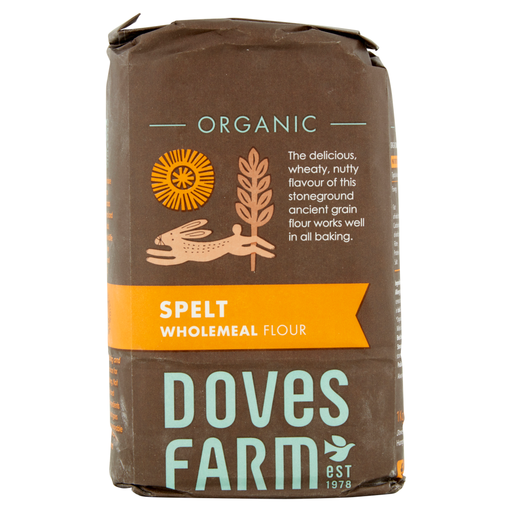
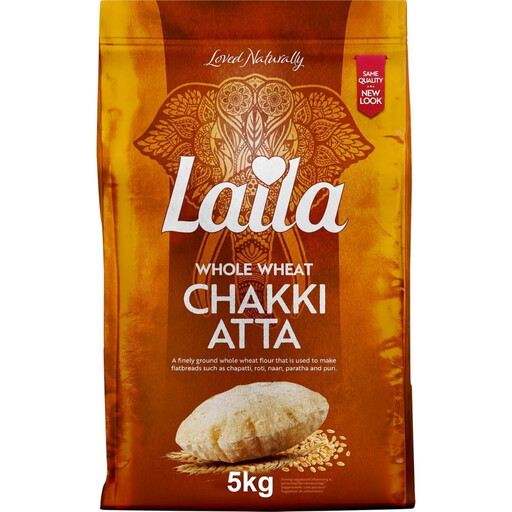
These flour options are for making pancakes to a wholemeal brief, not for serving straight from a pack. Check the flour against your tested recipe and confirm the ingredient information for the exact item.
 No image available
The name identifies wholemeal spelt flour for a scratch-made pancake recipe. This is flour rather than prepared pancakes: test your recipe and allow for cooking and service. Spelt is a gluten-containing cereal, so plan separately for gluten-free requests.
 No image available
The 5kg pack is an ingredient for scratch-made cooking, not a ready-made pancake. Before using it for a wholemeal menu, confirm the exact pack’s flour description and ingredients, then test how it works in your pancake recipe and check its allergen information.
 No image available
This is labelled wholemeal bread flour rather than pancake mix or prepared pancakes. Test it in the intended recipe before making a conference batch, particularly if the recipe calls for plain wholemeal flour. Check its allergen information when planning the menu.
Not on the strength of that description alone. Check the exact product’s ingredients and wholemeal wording before counting it towards the conference brief; the ready-made ranges listed by Tesco, Sainsbury’s, Waitrose and M&S do not identify a wholemeal pancake.
Wholemeal wheat, spelt and rye pancakes are not gluten-free. Check a separate gluten-free product or recipe for the attendee’s requirements, and plan controls for cross-contact during preparation and service.
Under GOV.UK allergen guidance for food businesses, caterers in England, Wales and Northern Ireland must provide allergen information for prepacked and non-prepacked food. Food Standards Scotland also requires food businesses to provide information and manage allergens when preparing and serving food. Record the ingredients in each pancake and topping so staff can give accurate information at the event.
A make-ahead method depends on the recipe and the caterer’s food-safety procedures. Doves Farm says its filled wholemeal pancake rolls can be made ahead, chilled or frozen, then baked before serving. Test the chosen method for your event and incorporate it into the business’s food-safety plan.
Ask for the proposed flour or pancake specification, ingredient and allergen information, portion plan and arrangements for preparation and service. A food hygiene rating can be another check on the business, but the Food Standards Agency says it is not a guide to food quality.