
24/7 Customer Support

Free returns

Same-day & Next-day Delivery

Quality Guaranteed

Unlock Your Welcome Offers: FREE Delivery | Up to 80% OFF | Free 30-day JoyPlus trial
Download the APP
Exploring global cuisines from your own kitchen is one of the great joys of home cooking. With the right ingredients, you can recreate the vibrant flavours of a bustling Seoul market or a traditional Sichuan eatery. However, the growing popularity of world food sauces & seasonings has flooded supermarket shelves with options, making it difficult to distinguish authentic staples from disappointing imitations. Many home cooks find themselves with a pantry full of jars that promise the world but deliver bland, one-dimensional taste.
As a Joybuy Product Recommendation Officer, my role is to help you navigate this crowded market. We will look past the marketing buzz and focus on what truly matters, ensuring your next culinary adventure starts with the right flavour foundation. Here are the common pitfalls to avoid.
To avoid these traps, focus on a few key details on the product label. This simple check can be the difference between a truly delicious meal and a wasted effort.
Before you buy, look at the first few ingredients listed. For a rich and authentic flavour, you want to see the core components of the cuisine represented.
Understand the product's primary function. A good product range will offer specialised sauces rather than a single "do-it-all" solution. Consider whether you need:
A quick look at the nutritional information can be very revealing. While many Asian sauces have a sweet or salty element, excessively high levels can indicate a product that relies on them for flavour instead of quality spices and fermented ingredients. Compare the "of which sugars" and "Salt" values per 100g. This helps you identify if you are buying a balanced seasoning or what is essentially a sugary syrup.
Based on these principles, here are a few recommendations from our World Foods collection, matched to different types of home cooks.
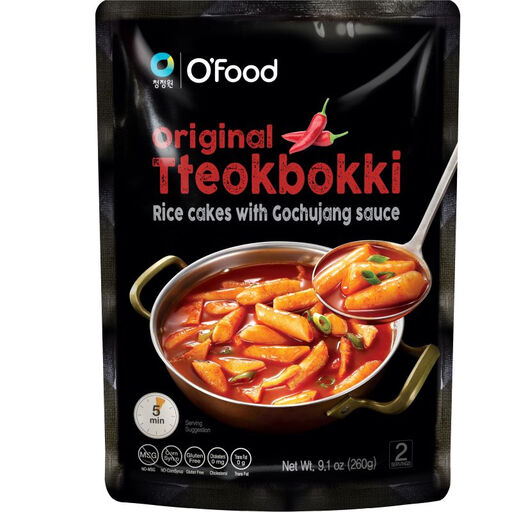
Why This Fits Their Persona: Perfect for anyone wanting to try making one of Korea's most popular street foods, tteokbokki (spicy rice cakes), without the guesswork. It provides a reliable and quick way to achieve an authentic-tasting dish at home.
This is a specialised sauce, not an "all-in-one." It is formulated specifically for stir-fried rice cakes, ensuring the correct balance of sweet, savoury and spicy flavours for that single purpose.
Extreme convenience. It allows you to create a complete, flavourful meal in under 5 minutes with just a few additional ingredients like rice cakes and water.

Why This Fits Their Persona: For the cook who views sauces as a tool for enhancement. This isn't a cooking sauce but a complex condiment used to add a final layer of flavour and texture to noodles, rice, eggs, or stir-fries.
It avoids the "vague ingredients" trap by putting its key flavour—fermented black beans—front and centre. This provides a deep, savoury umami that generic chilli oils lack.
Incredible versatility and depth of flavour. The combination of savoury fermented beans, aromatic oil and chilli flakes adds a complex taste that elevates simple dishes instantly.
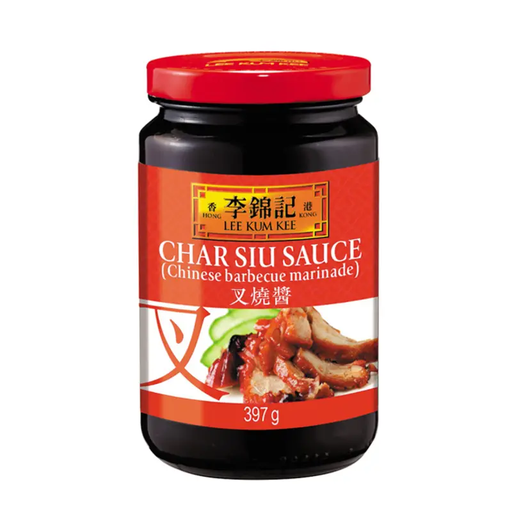
Why This Fits Their Persona: For the cook aiming to perfectly replicate a restaurant classic—Cantonese BBQ pork. This sauce is a complete marinade and glaze, providing the signature sweet, savoury flavour and reddish hue.
This is the definition of a specialised sauce. It is formulated solely for making Char Siu, avoiding the "all-in-one" pitfall and delivering a focused, authentic result for that specific dish.
Consistency and authenticity. It takes the complex process of balancing honey, soy and spices out of your hands, delivering reliable, restaurant-quality results every time.
We have compiled a complete, real-time list of products that fully satisfy these strict selection criteria and UK safety regulations.
1. How long do world food sauces last after opening? Most ready-made sauces, especially those that are not primarily oil-based, require refrigeration after opening. Always check the packaging for specific storage instructions. As a general rule, consume them within a few weeks to a couple of months for the best flavour and quality. Oil-based condiments like chilli oil tend to last longer, but their aroma can diminish over time.
2. Can I use a hot pot soup base for other dishes? Absolutely. A hot pot soup base is a fantastic shortcut for adding flavour to other meals. You can dilute it to create a rich broth for noodle soup, use it as a concentrated seasoning for braising vegetables or meat, or even add a small amount to a stir-fry for an extra layer of complexity.
3. What is the difference between gochujang and other chilli pastes?Gochujang is a fundamental Korean paste made from red chilli powder, glutinous rice, fermented soybeans and salt. The key is the fermentation process, which gives it a distinctively deep, savoury, and slightly sweet umami flavour that sets it apart from other Asian cooking sauces or simple chilli pastes. It provides a complex heat rather than just spiciness.