
24/7 Customer Support

Free returns

Same-day & Next-day Delivery

Quality Guaranteed

Unlock Your Welcome Offers: FREE Delivery | Up to 80% OFF | Free 30-day JoyPlus trial
Download the APP
Yakisoba noodles are a practical choice for quick lunches, student meals and easy family dinners. However, the phrase can describe several different products: instant noodle pots, dried noodle blocks, pre-steamed stir-fry packs, sauce sachets and even crispy yakisoba snacks.
That variety can make shopping confusing. A pot designed for boiling water is not the same as noodles intended for a wok, while a product with a Japanese-style name may still contain wheat, soya, seafood or chicken flavourings. Before buying, check the preparation method, pack size, ingredients and allergen information rather than relying on front-of-pack claims.
Many instant yakisoba noodles only require boiling water, draining and mixing with a sauce sachet. They are convenient for an office lunch or late-night snack, but they are not always suitable for adding large quantities of vegetables or protein.
Cooking packs, such as pre-steamed Japanese yakisoba noodles, are designed for a frying pan or wok. They generally offer more flexibility because you can add cabbage, carrots, spring onions, tofu or cooked meat.
Yakisoba traditionally uses wheat-based noodles rather than buckwheat soba. Several products in this category contain wheat and soya, while some also include celery, mustard, sesame, fish, shellfish, milk or molluscs.
Vegetarians and vegans should pay particular attention to flavour sachets. A noodle product may look suitable until the seasoning reveals chicken fat, oyster extract or another animal-derived ingredient. Always check the current UK packaging, as recipes and labelling can change.
Instant noodles can be convenient, but the seasoning may contribute a substantial amount of salt to one meal. For example, the listed nutritional information for Nissin Demae Ramen Yakisoba shows 4.0g salt per 100g, while Nissin UFO Oyster Sauce & Beef Flavour lists 1,440mg sodium per 123g serving.
Pack size also affects value. A 90g or 123g pot is usually a single serving, whereas a 270g or 510g cooking pack can provide several portions. Compare the number of servings, not just the total weight.
Choose according to how you plan to cook:
Look for clear cooking instructions and avoid consuming instant noodles raw unless the product is specifically sold as a ready-to-eat crispy yakisoba snack.
Traditional yakisoba sauce is typically sweet, savoury and slightly tangy, often using ingredients such as soy sauce, vinegar, fruit, vegetables and spices. A separate bottle, such as OTAFUKU Yakisoba Sauce 300g, allows you to control how much sauce is used and works with plain noodles.
Sachets provide speed and consistent flavour. Nissin Soba Classic, Teriyaki, Yakitori and Chilli pots each include sauce for a quick wok-style meal. Check whether the flavour contains seafood or meat before ordering, particularly if you are buying Japanese noodles for a shared household.
For UK shoppers, inspect the bold allergen declarations and the full ingredient list. The products listed here commonly contain cereals containing gluten, wheat and soya. Oyster-flavoured products contain molluscs, while yakitori-flavoured noodles include chicken ingredients.
Compare salt, saturated fat and serving size as well. Adding vegetables, tofu or a source of protein can make a noodle meal more substantial, but does not remove the need to follow the packet’s preparation instructions.
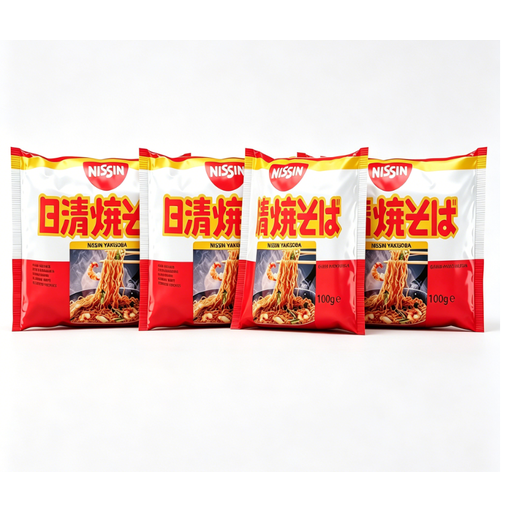
Why This Fits Their Persona: Four individual 100g packs provide a convenient cupboard option for students, flat-sharers and busy households.
The four-pack makes the serving count clear, while the ingredients and allergen information identify wheat, soya and possible traces of other allergens.
Four separate portions; sweet and savoury yakisoba seasoning; dry storage format.
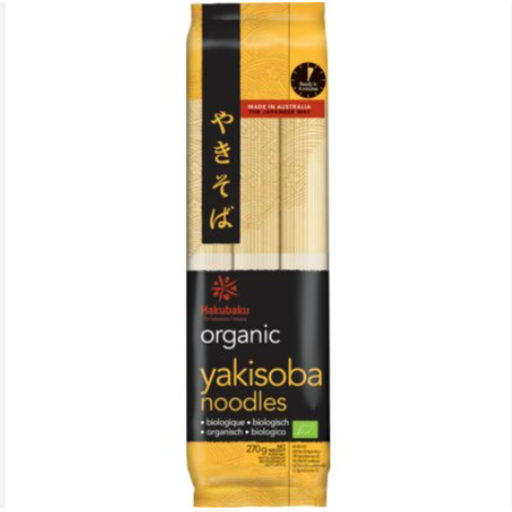
Why This Fits Their Persona: A three-portion organic noodle pack suits home cooks who want a plain base for customised Japanese stir-fries.
The noodles are sold without a prepared meat or seafood sauce, making it easier to select your own ingredients and seasoning.
Three 90g portions; organic certification stated in the product details; suitable for vegetarian and vegan cooking according to the listing.
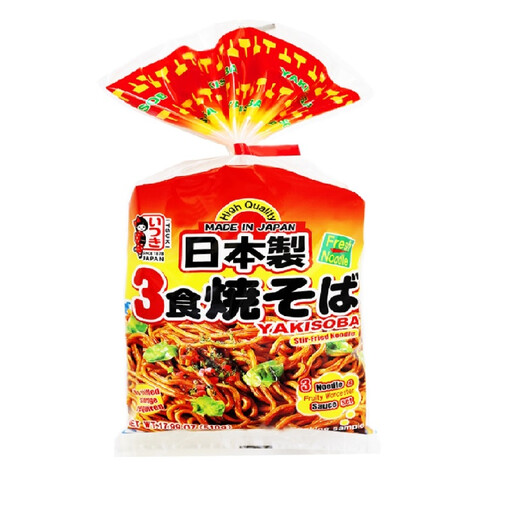
Why This Fits Their Persona: Three 170g portions suit family dinners and regular wok cooking, with room for vegetables, tofu or cooked protein.
This is a cooking product rather than a small instant pot, and the instructions specify pan preparation, helping prevent mismatched expectations.
510g total weight; three individual servings; includes sauce and seaweed powder; preparation takes around two to three minutes once ingredients are ready.
For a pot of instant noodles, follow the water level and draining instructions carefully so the sauce does not become diluted. Add fresh spring onions, shredded cabbage or cooked vegetables after draining.
For dried or pre-steamed noodles, heat the pan first, cook vegetables and protein thoroughly, then add the noodles with a small amount of water or sauce. A bottle of yakisoba sauce is useful when cooking several portions, while sachets are more practical for single servings.
Store unopened products in a cool, dry place and check the best-before date. Once opened or cooked, follow the product’s storage guidance and refrigerate leftovers promptly where applicable.
We have compiled a complete, real-time list of products that fully satisfy these strict selection criteria and UK safety regulations.
Usually not. Yakisoba uses wheat-based, Chinese-style noodles, while traditional soba is made primarily from buckwheat. Check the ingredients if you need a buckwheat or gluten-free product.
Yes. A large non-stick frying pan works well. Use medium-high heat, avoid overcrowding the pan and loosen the noodles before mixing them with the sauce.