
24/7 Customer Support

Free returns

Same-day & Next-day Delivery

Quality Guaranteed

Unlock Your Welcome Offers: FREE Delivery | Up to 80% OFF | Free 30-day JoyPlus trial
Download the APP
Yakisoba noodles are a practical choice for quick noodle meals, but products labelled “yakisoba” can vary considerably. Some are instant noodle pots designed for a desk lunch, while others are chilled-style noodles intended for cooking in a wok. There are also dry noodle snacks that are ready to eat but are not suitable for preparing a full stir-fry.
The main buying mistakes are usually easy to avoid:
Check whether the product is a pot, bag, or multi-serving noodle pack.
Instant noodle pots are convenient for offices, student accommodation and travel because they typically need boiling water rather than a hob. For example, Nissin Soba Teriyaki Noodles with Yakisoba Sauce 90g uses a draining lid and a three-minute preparation method.
Bagged instant noodles usually require a saucepan. Nissin Demae Ramen Yakisoba 100g, for example, is prepared by cooking the noodles, draining them and mixing in the seasoning. This gives you more control over texture but requires kitchen equipment.
Pre-steamed or fresh-style Japanese stir-fry noodles are more suitable for a wok or frying pan. They can be combined with cabbage, carrots, spring onions, tofu, chicken or other ingredients to create a more complete meal.
Look for the format that matches how you intend to eat the noodles:
Do not assume that “soba” means buckwheat. Many yakisoba products use wheat flour. Hakubaku Yakisoba Noodle 270g contains wheat flour and mineral salts, and is portioned into three 90g servings. It needs boiling, rinsing and draining before stir-frying.
Yakisoba sauce usually has a sweet, savoury and slightly tangy profile, often with soy sauce, Worcestershire-style seasoning, sugar, spices or fruit and vegetable ingredients. If you prefer to adjust the flavour yourself, a separate bottle such as OTAFUKU Yakisoba Sauce 300g offers more flexibility for homemade stir-fry noodles.
Always read the current packaging before purchase. Product information can change, and the label is the appropriate source for allergen advice. Common allergens in these products include:
Nutrition panels also deserve attention. Some instant noodles contain a considerable amount of salt per serving, particularly when the entire seasoning sachet is used. You can use part of the sachet, add vegetables or choose plain noodles with your own sauce if you want greater control over the finished dish.
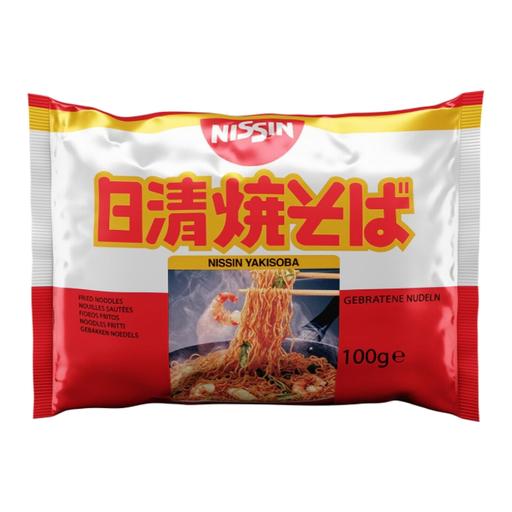
Why This Fits Their Persona: A single 100g bag is a straightforward way to try Japanese noodles without committing to a larger case or family-sized pack. It suits students and occasional instant noodle shoppers with access to a saucepan.
The preparation instructions clearly indicate that it must be cooked and is not intended to be eaten raw, helping distinguish it from ready-to-eat Japanese noodle snacks.
100g serving format; seasoning powder provides a sweet and savoury yakisoba-style flavour.
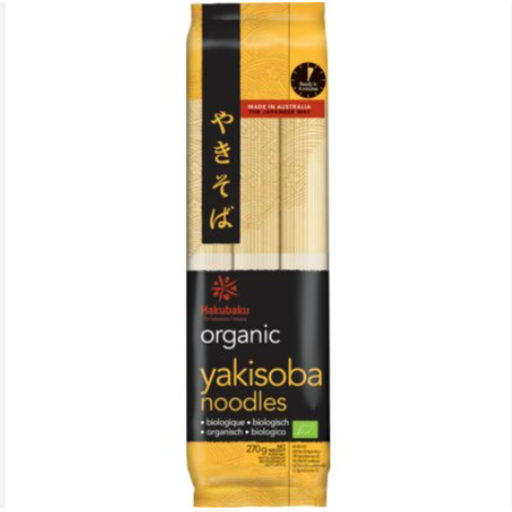
Why This Fits Their Persona: Suitable for home cooks who want plain Japanese-style noodles and prefer to choose their own sauce, vegetables and protein.
It is sold as noodles rather than a complete instant meal, so you are not paying for a seasoning profile you may not use.
270g pack divided into three 90g portions; suitable for vegetarian and vegan recipes according to the supplied product information.
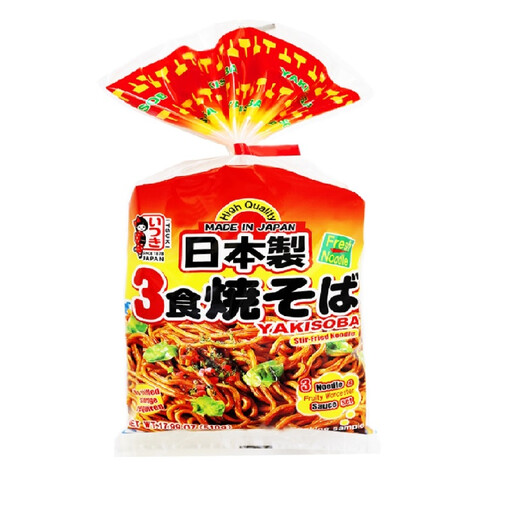
Why This Fits Their Persona: Designed for households and regular cooks who want three individual portions for lunches, family meals or meal preparation.
The pack is clearly portioned as three 170g servings and includes sauce, reducing the need to buy separate noodles and yakisoba sauce for each meal.
Three 170g servings; includes noodles, sauce and aonori seaweed powder for finishing.
For wok-style yakisoba, prepare the vegetables and protein before adding the noodles. Keep the heat reasonably high, loosen the noodles gently, then add the sauce towards the end so it coats the ingredients without becoming watery.
Plain noodles can be rinsed after boiling to remove excess starch and help separate the strands. With instant yakisoba noodles, follow the pack instructions carefully and ensure the noodles are fully cooked. Do not consume products labelled for cooking while raw.
For a lighter, more balanced bowl, add cabbage, peppers, mushrooms, carrots or spring onions. Tofu, egg, chicken or seafood can also be used, subject to the allergen information and thorough cooking requirements.
We have compiled a complete, real-time list of products that fully satisfy these strict selection criteria and UK safety regulations.
Usually, no. Yakisoba commonly uses wheat-based noodles, while traditional soba noodles are made partly or mainly from buckwheat. Always check the ingredients if you need buckwheat or gluten-free noodles.
Many instant noodle pots take around three minutes after boiling water is added. Bagged products may require cooking in a saucepan, while complete yakisoba kits generally need two to three minutes of stir-frying. Follow the instructions on the specific pack.