
24/7 Customer Support

Free returns

Same-day & Next-day Delivery

Quality Guaranteed

Unlock Your Welcome Offers: FREE Delivery | Up to 80% OFF | Free 30-day JoyPlus trial
Download the APP
Antibacterial cleaning wipes can make everyday cleaning quicker, but choosing the wrong type may lead to wasted money, damaged surfaces or insufficient hygiene. A pack designed for floors is not automatically suitable for kitchen worktops, baby equipment or skin.
Before buying antibacterial cleaning wipes, check the intended use, surface compatibility, moisture retention and any required contact time. Marketing phrases such as “99.9% germ-killing wipes”, “multi-purpose” and “biodegradable” can sound reassuring, but the small print determines whether the product suits your household.
Disinfectant wipes are generally formulated for specific materials. Some are suitable for hard, non-porous surfaces, while others should not be used on marble, unfinished wood, painted finishes, fabrics or electronics. A product may be suitable for a sealed laminate floor but unsuitable for an unsealed wooden surface.
Always read the surface list before using antibacterial surface wipes. For food-contact areas, check whether the label requires rinsing after use.
A 99.9% germ-killing claim normally applies only to particular microorganisms, test conditions and contact times stated on the packaging. It does not mean that a wipe removes every germ instantly from every surface.
For example, the Dettol and Milton products below include germ-killing claims in their product information. Use them according to the label, including keeping the surface visibly wet for the specified time where required.
A large pack cleaning wipes format can offer convenience for busy families, but only if the lid or resealable seal prevents moisture loss. If the opening is left loose, the final wipes may be too dry to clean effectively.
Small packs are easier to carry and may suit occasional use, while 126-wipe packs are more practical for frequent kitchen, bathroom or household cleaning.
Separate products into the correct category:
Cleaning and disinfecting are not always the same action. A wipe may remove dirt immediately, while a disinfectant requires the surface to remain wet for a stated period. The Dettol Citrus product information, for instance, specifies wetting a defined area and allowing at least five minutes for disinfection.
Use enough product to cover the area and avoid wiping it dry too soon when the label requires a dwell time. Do not mix wipes with other detergents or disinfectants unless the instructions specifically allow it.
Fragrance is a personal preference. Lemon and citrus cleaning wipes may help leave a fresher scent, while fragrance-free formats can be preferable around food preparation or scent-sensitive households.
For biodegradable cleaning wipes, check what the claim actually means. A product described as breaking down under industrial composting conditions is not necessarily suitable for home composting. Dispose of used wipes in general waste unless the packaging states otherwise. Never flush cleaning wipes or antibacterial hand wipes down the toilet.
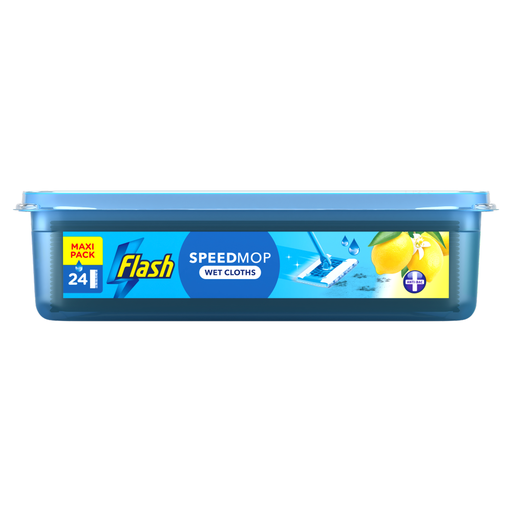
Why This Fits Their Persona: A practical option for households already using the Flash Speedmop system and wanting ready-to-use floor wipes without buying detergent or a bucket.
The dedicated refill format makes compatibility clear, while the 24-wipe pack avoids paying for a larger supply before checking whether disposable floor cleaning suits your routine.
Pre-soaked wipes; textured fibres designed to trap everyday dirt; suitable for tile, laminate, vinyl and sealed hardwood according to the supplied product information.
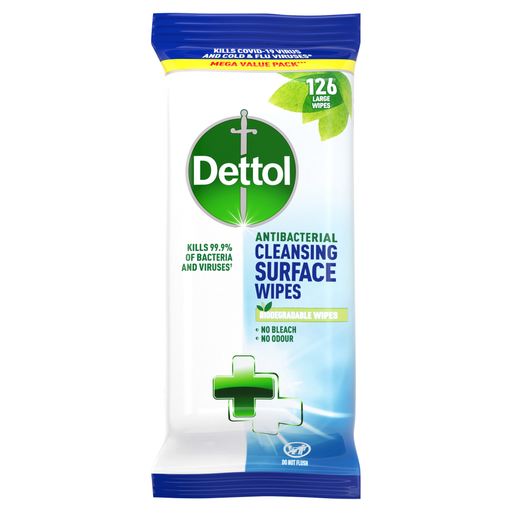
Why This Fits Their Persona: The large pack is suited to shoppers who regularly wipe kitchen areas, high-touch points, bins, taps and other hard household surfaces.
The resealable packaging helps address moisture loss, while the label specifically excludes windows, mirrors, fabrics, painted and varnished surfaces.
126 large wipes; bleach-free formula; listed for most hard, non-porous surfaces and some baby equipment, subject to label directions.
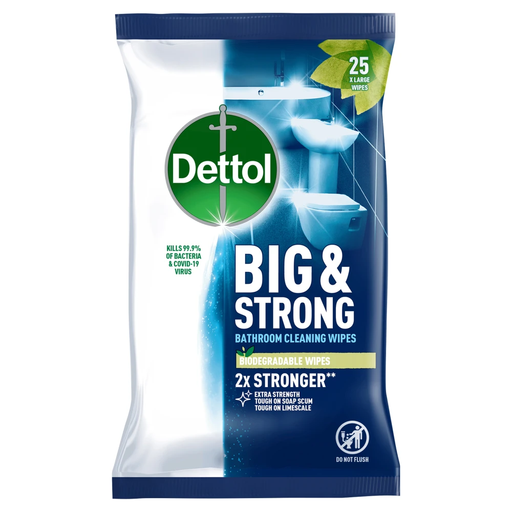
Why This Fits Their Persona: Designed for demanding bathroom tasks such as soap scum and limescale on suitable hard surfaces, making it useful for frequent family bathroom touch-ups.
Its stated bathroom focus is clearer than a generic multi-purpose claim. The warnings also identify materials such as marble, brass, copper, toys and unfinished wood that should be avoided.
25 larger, stronger-format wipes; listed for sinks, baths, taps, glazed tiles, shower screens and selected sealed floors.
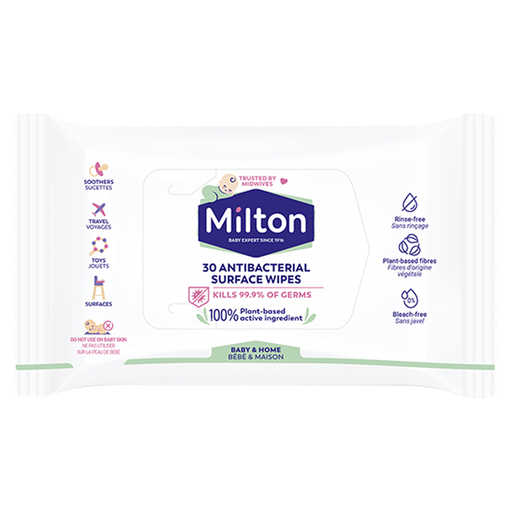
Why This Fits Their Persona: A fragrance-free, bleach-free format for baby equipment and household surfaces where parents want clear usage instructions.
The instructions state a 30-second wet contact period and specify that the wipes are not for baby skin or nappy changes, preventing a common product-use mistake.
30 wipes; plant-based active ingredient and fibres stated in the product information; no rinsing required on listed food-contact surfaces.
We have compiled a complete, real-time list of products that fully satisfy these strict selection criteria and UK safety regulations.
Only use a product on skin when the packaging clearly states that it is intended for personal hygiene. Surface disinfectant wipes are not suitable for hands. A product such as Carex Cleansing Hygiene Wipes is specifically described for hands, face and body, but it should still be kept away from the eyes and not flushed.
Shelf life varies by product and storage conditions. Reseal the pack immediately after removing a wipe, keep the opening facing down where instructed and store it away from heat. If wipes become dry, do not assume they will provide the same cleaning or disinfecting performance.
No. Biodegradable or compostable wording does not make a wipe suitable for toilet disposal. Put used antibacterial cleaning wipes in general waste unless the packaging gives different local disposal instructions. This helps reduce blockages and prevents cleaning chemicals and fibres entering waterways.