
24/7 Customer Support

Free returns

Same-day & Next-day Delivery

Quality Guaranteed

Unlock Your Welcome Offers: FREE Delivery | Up to 80% OFF | Free 30-day JoyPlus trial
Download the APP
Antibacterial cleaning wipes can make everyday messes easier to manage, particularly in homes with children, pets or limited time for full cleaning routines. However, a wipe labelled “antibacterial” is not automatically suitable for every surface or cleaning task.
The main buying risks are usually hidden in the details: a small sheet that dries out before covering a worktop, a disinfectant that requires a specific wet contact time or a formula that should never be used on food-preparation areas without rinsing. Use the guide below to compare antibacterial surface wipes, disinfectant wipes and multi-purpose cleaning wipes more carefully.
Cleaning wipes can lift dust, grease and visible dirt, while disinfectant wipes are designed for use against specified microorganisms when used according to the label. A product may mention “hygienic cleaning” without offering the same instructions or claims as a regulated disinfectant.
For a germ-focused task, check the packaging for:
Claims such as 99.9% antibacterial wipes should be read alongside the pack directions. They do not mean that every surface is instantly disinfected after one quick pass.
Bathroom cleaning wipes may be formulated for soap scum and limescale, whereas kitchen cleaning wipes may focus on grease. Floor cleaning wipes are often made for sealed hard flooring and may be unsuitable for carpets, unfinished wood or waxed surfaces.
Always check the material list. Common exclusions include:
When uncertain, test a small hidden area first and allow it to dry.
A large cleaning wipes pack can reduce the cost per sheet, but only if the closure keeps the liquid in the pack. Resealable lids and adhesive covers should be closed immediately after removing a wipe. Store packs away from heat and direct sunlight, and do not buy more than your household can use within the stated shelf-life guidance.
For floors, look for larger or thicker sheets that can hold dirt without smearing it across the room. Dedicated floor wipes can be convenient for sealed laminate, vinyl, tiles and sealed wood, but they are not a substitute for checking the flooring manufacturer’s care instructions.
For kitchens and bathrooms, choose a sheet size and texture suited to the task. A stronger, larger wipe may be more practical for soap scum, food spills and pet marks, while a standard sheet may suit quick touch-point cleaning.
A disinfectant only works as directed when the surface remains wet for the specified time. Milton Antibacterial Surface Wipes, for example, state that the surface or item should remain wet for at least 30 seconds, followed by air drying. Another product may require a longer period.
Food-contact surfaces require particular care. Some wipes must be rinsed with clean water after use, while others are labelled as rinse-free for particular items. Never assume that a general-purpose wipe is suitable for chopping boards, baby equipment or soothers without reading its label.
Fragrance-free wipes may suit households where perfume is unwanted, while citrus or lemon-scented options can help leave a fresher-smelling room. However, fragrance does not indicate cleaning performance.
“Biodegradable” also needs context. For example, some products are described as breaking down under industrial composting conditions, which does not mean they should be flushed or placed in a home compost bin. Used household cleaning wipes should generally go into the appropriate rubbish stream unless the packaging clearly states otherwise. Never flush antibacterial cleaning wipes down the toilet.
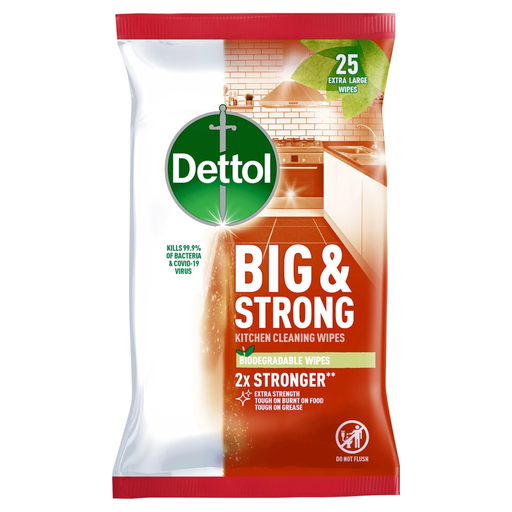
Why This Fits Their Persona: A practical option for occasional kitchen jobs where a sturdier wipe is more useful than a very large everyday pack.
Its intended kitchen use and hard, non-porous surface guidance help avoid applying a bathroom or floor formula indiscriminately.
The pack contains 25 stronger wipes and is listed for surfaces including sinks, glazed tiles, glass and sealed laminate.
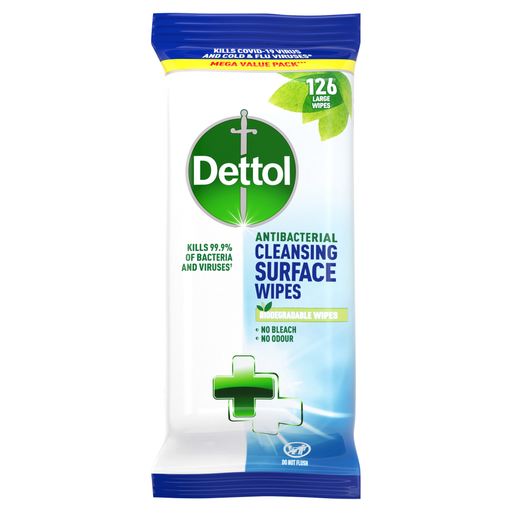
Why This Fits Their Persona: Suitable for households wanting one substantial pack for frequent hard-surface touch-ups around the kitchen, bathroom and living areas.
The resealable packaging addresses drying-out concerns, while the label clearly excludes windows, mirrors, fabrics, painted and varnished surfaces.
It provides 126 large wipes, with a bleach-free formula listed for most hard, non-porous surfaces and food preparation areas subject to label directions.
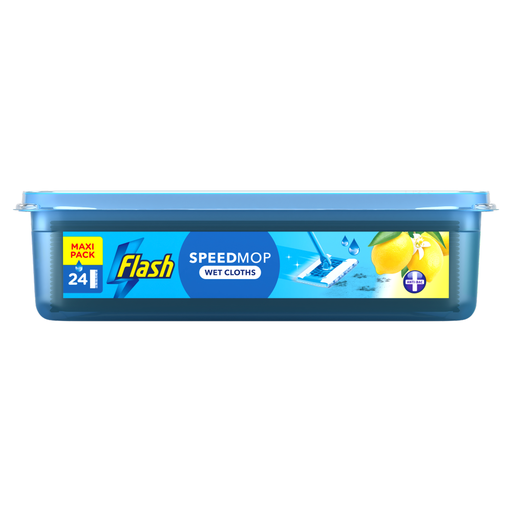
Why This Fits Their Persona: Designed for busy families and pet owners who need quick cleaning for sealed hard floors without a bucket or separate detergent.
It is a dedicated refill for the Flash Speedmop system, reducing the risk of buying a wipe that will not attach to the available mop base.
The pack contains 24 pre-moistened wipes with a textured dirt-locking fibre, listed for tile, laminate, vinyl and sealed hardwood floors.
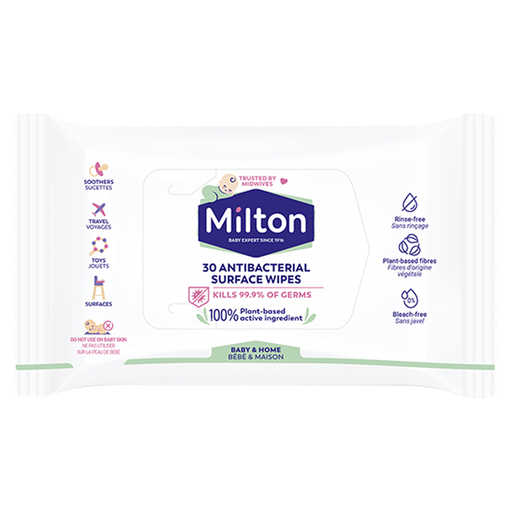
Why This Fits Their Persona: A targeted choice for parents cleaning high chairs, changing mats, toys and selected baby items at home or while travelling.
Its instructions specify a 30-second wet period and warn that it must not be used on baby skin or during nappy changes.
The product description lists plant-based fibres, a fragrance-free formula and rinse-free use for specified food-contact and baby-related items.
We have compiled a complete, real-time list of products that fully satisfy these strict selection criteria and UK safety regulations.
Some are, but only when the label lists the specific flooring type. Dedicated floor wipes are generally intended for sealed hard floors such as vinyl, laminate, glazed tile or sealed wood. Avoid using them on unsealed, waxed or oil-treated timber and carpets unless the flooring manufacturer permits it.
The required contact time varies by product and claim. Check the packaging rather than wiping the surface dry immediately. For example, the Milton product information specifies at least 30 seconds, while other disinfectant wipes may require longer. The surface must remain visibly wet for the stated period.
No. Biodegradable or plant-based fibres do not automatically make a wipe suitable for flushing. Unless the product is specifically designed and labelled as flushable, place used household cleaning wipes in the bin. Cleaning disinfectant wipes should not be flushed into the UK drainage system.