
24/7 Customer Support

Free returns

Same-day & Next-day Delivery

Quality Guaranteed

Unlock Your Welcome Offers: FREE Delivery | Up to 80% OFF | Free 30-day JoyPlus trial
Download the APP
Bringing the vibrant, complex flavours of Asian cuisine into your kitchen is easier than ever. Yet, a stroll down the international food aisle can be overwhelming. With countless bottles promising "authentic" taste, how do you choose the right Asian cooking sauces and avoid the ones that lead to disappointing meals?
Many home cooks in the UK find themselves frustrated after buying a sauce that doesn't deliver. The flavour is too sweet, the consistency is wrong, or it simply doesn't taste like the dish you remember from your favourite restaurant. Before you add another bottle to your pantry, let's look at the common pitfalls to sidestep.
To ensure you are getting a product that will elevate your cooking, focus on a few key details on the packaging. Understanding these will help you select a sauce that truly matches your culinary goals.
The most crucial factor for authentic flavour is the base of the sauce.
The texture of the sauce dictates its use. A label might not always tell you the full story, but the ingredient list can offer clues.
For specific, iconic dishes, a purpose-built sauce is often the most reliable choice. If you want to make authentic Korean rice cakes, a dedicated tteokbokki sauce is formulated with the exact balance of sweet, spicy and savoury flavours for that dish. Likewise, a proper char siu sauce is essential for recreating the classic Cantonese barbecue pork. While all-purpose stir-fry sauces have their place for quick meals, they may not capture the unique character of a specific regional dish.
To help you navigate the options, we have matched a few standout products to different types of home cooks.
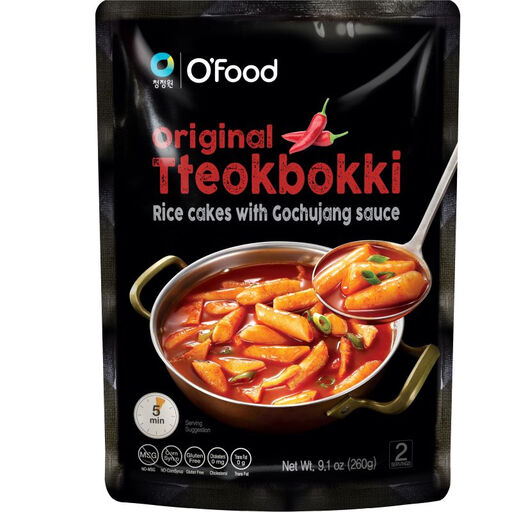
Why This Fits Their Persona: Perfect for the home cook who wants to quickly and reliably recreate the authentic, spicy-sweet flavour of Korean street food-style tteokbokki (spicy rice cakes) without any guesswork.
This sauce avoids the "one-sauce-fits-all" myth by being specifically formulated for tteokbokki, ensuring the correct flavour balance and consistency to coat the rice cakes perfectly.
Extreme convenience. This concentrated sauce allows you to prepare a classic dish in about 5 minutes, delivering a consistent and satisfying result every time.

Why This Fits Their Persona: Ideal for anyone wanting to marinate beef, pork or chicken for a classic Korean BBQ. It's a reliable choice for achieving that signature sweet and savoury glazed finish on the grill or in a pan.
It avoids the "inauthentic flavour" trap by using pear puree, onion and ginger. These ingredients provide natural sweetness and tenderising properties, moving beyond a simple sugar-and-soy base.
This sauce serves as an excellent marinade that both flavours and tenderises meat. Its consistency is perfect for creating a rich glaze during cooking.
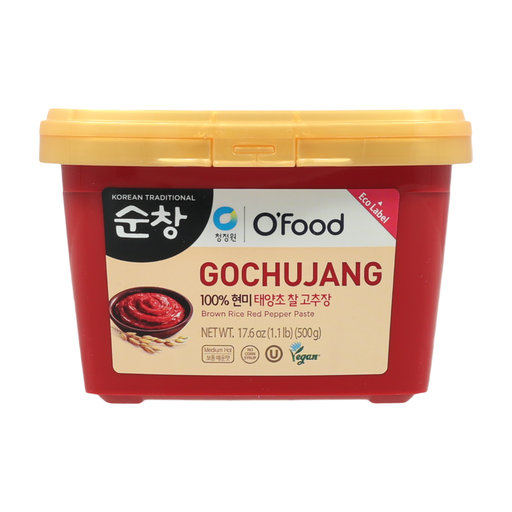
Why This Fits Their Persona: This is for the cook who wants a foundational ingredient, not just a single-use sauce. Gochujang is a cornerstone of Korean cuisine, perfect for building flavours in stews, marinades and dipping sauces from scratch.
It sidesteps the "premium for simplicity" trap. As a fermented product, gochujang offers a complex, savoury and spicy depth that cannot be easily replicated, making it a high-value pantry staple.
Incredibly versatile. A single tub can be used as the flavour base for dozens of different Korean dishes, from kimchi jjigae (stew) to spicy stir-fries, giving you full creative control.
We have compiled a complete, real-time list of products that fully satisfy these strict selection criteria and UK safety regulations.
Most fermented pastes like gochujang and soybean paste are quite stable due to their high salt content. Once opened, they should be kept refrigerated and can last for several months, though it is always best to check the packaging for specific advice. Their colour may darken over time, which is a natural part of the oxidisation process and does not typically affect the flavour. Liquid marinades and sauces with lower salt or higher sugar content should generally be consumed within a few weeks of opening.
This is a common point of confusion. Gochujang is a thick, fermented red pepper paste made from chilli powder, glutinous rice, fermented soybeans and salt. It is savoury, slightly sweet and spicy. Gochugaru, on the other hand, is simply Korean red pepper powder or flakes. It provides the heat and colour for making kimchi and is a key ingredient in gochujang, but it does not have the same complex, umami-rich flavour as the fermented paste.
Absolutely. While formulated for meats like beef (bulgogi) and ribs (galbi), these sweet and savoury marinades are very versatile. They work wonderfully with grilled mushrooms, firm tofu or aubergine. You can also add a splash to a vegetable stir-fry towards the end of cooking for a quick and flavourful sauce.
This article is written by the Joybuy Product Recommendation Officer, dedicated to providing objective and practical shopping guidance to help you make informed decisions.