
24/7 Customer Support

Free returns

Same-day & Next-day Delivery

Quality Guaranteed

Unlock Your Welcome Offers: FREE Delivery | Up to 80% OFF | Free 30-day JoyPlus trial
Download the APP
Navigating the world of automotive model kits can be as complex as the mechanics they replicate. Whether you are a seasoned collector, a parent fostering a child's interest in engineering or a hobbyist seeking a satisfying project, the market is filled with options. However, it is also rife with potential pitfalls that can lead to a frustrating experience and wasted money. This guide will help you identify the crucial factors to consider, ensuring the kit you choose is a source of pride, not a dust-collector in a box.
Before you buy, be aware of these common traps:
STEM engineering toys.To ensure you get a model that meets your expectations, focus on these key parameters. Analysing them will help you distinguish a high-quality kit from a disappointing one.
First, clarify your goal. Are you looking for collectible model cars to display or a hands-on project to assemble and understand?
hobby kits for adults and teens designed to be assembled and, in many cases, to demonstrate mechanical principles. The quality of these kits depends on the precision of the parts and the clarity of the instructions. A good kit will have components that fit together snugly to produce smooth, realistic mechanical movement.The materials used are a direct indicator of a kit's durability and final appearance.
diecast model car kits, look for a solid metal body combined with durable plastic for smaller details. This combination offers a satisfying weight and a premium feel, ensuring the model withstands handling and looks impressive on a shelf.V8 engine model, the quality of the plastic or polymer is paramount. The parts must be robust enough to handle the stress of moving components without warping or breaking. Transparent casings are a great feature, allowing you to see the internal mechanics in action.Always check the manufacturer's recommended age. This is not just a safety guideline but also a reliable indicator of the kit's complexity. A kit for "Age 10+" will have larger parts and simpler mechanics, making it an ideal entry into STEM engineering toys. In contrast, a kit for "Age 14+" or adults will feature smaller, more numerous parts, demanding greater patience and dexterity.
Here are several options matched to different types of builders and collectors, each selected to avoid the common pitfalls mentioned earlier.
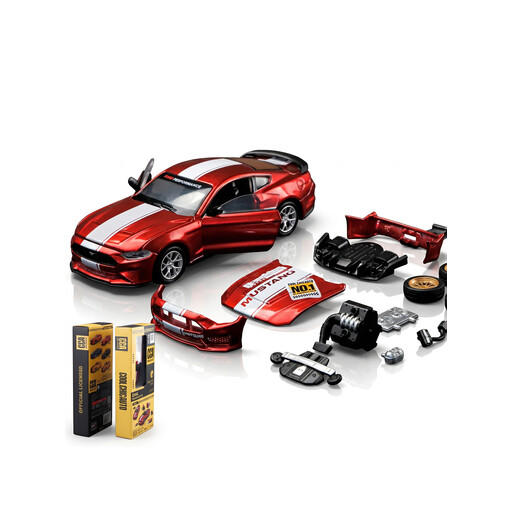
Why This Fits Their Persona: Perfect for someone starting their collection. This kit offers the iconic look of a Ford Mustang GT with enough detail to be a proud display piece, without the complexity of a full engine build. It's an accessible entry into the world of collectible model cars.
It sidesteps the poor material quality trap by using durable die-cast metal for the body, giving it a satisfying weight and premium feel that flimsy plastic kits lack.
Features realistic details like opening doors and a hood, with a highly detailed interior and exterior. The 1:42 scale is compact enough for any desk or shelf.
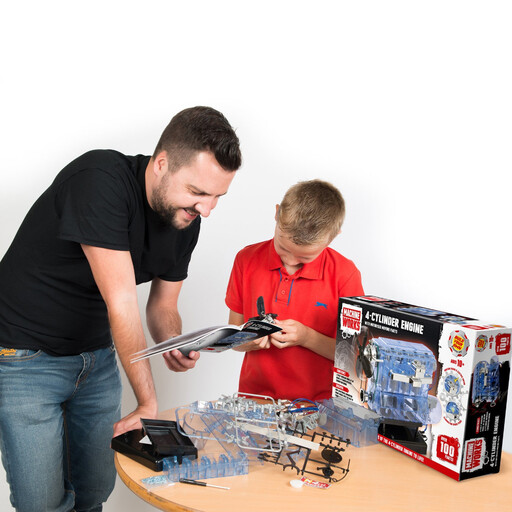
Why This Fits Their Persona: An excellent choice for parents or gift-givers looking for an engaging educational project. This kit is designed to teach the fundamentals of mechanics in a hands-on way, making it a superb STEM engineering toy for ages 10 and up.
This kit avoids the "functional fa?ade" by using precision-made parts that create realistic mechanical linkage movements, accurately simulating how a real 4-cylinder engine works.
Provides a step-by-step assembly process that builds mechanical cognition and practical skills. The finished model clearly demonstrates piston movement and mechanical transmission.
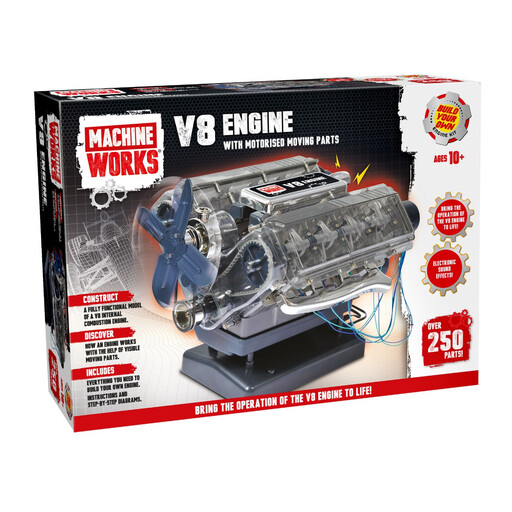
Why This Fits Their Persona: This is a comprehensive project for a dedicated enthusiast. With over 250 parts, this V8 engine model offers a challenging and deeply rewarding build that goes beyond simple assembly to create a motorised, light-and-sound replica.
It counters the vague complexity trap by being explicitly designed as an advanced kit. The detailed manual and high part count are aimed at hobbyists who want a substantial project, not a quick build.
Features a transparent casing to view moving parts, illuminating spark plugs and realistic engine sounds. The included AR app adds another layer of interactive learning.
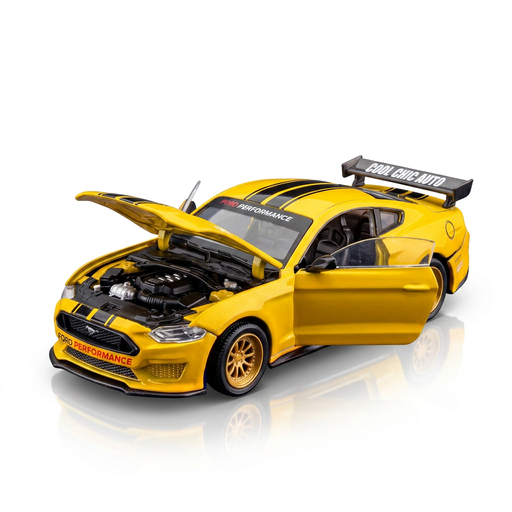
Why This Fits Their Persona: For the enthusiast who already has a few models and wants to add a vibrant, eye-catching piece to their display. This yellow Mustang offers the same quality and detail as its red counterpart, making it a great way to expand a collection of diecast model car kits.
Like the red version, its die-cast metal construction ensures it feels substantial and looks authentic, avoiding the trap of poor material quality common in less reputable brands.
Offers a striking colour alternative with the same reliable build quality and detailed features, including an opening hood and doors for a more dynamic display.
We have compiled a complete, real-time list of products that fully satisfy these strict selection criteria and UK safety regulations.
Die-cast models are made primarily from metal (usually a zinc alloy) and are often pre-painted, requiring minimal assembly. They are heavy, durable and prized by collectors for their authentic feel. Plastic kits, like engine models, are designed for a more involved building experience. Their quality depends on the precision of the moulding, as this affects how well the parts fit and function together.
This varies by kit. Most modern die-cast assembly kits and many educational engine models are designed to snap or screw together, requiring no glue. The Machine Works engine kits, for example, are built without glue. However, more advanced, traditional hobby kits may require polystyrene cement and specialised tools. Always check the product description for a list of required tools or adhesives.
V8 engine model with over 250 parts could take significantly longer, spread over several days. It is best to view it as a rewarding process rather than a race to the finish.