
24/7 Customer Support

Free returns

Same-day & Next-day Delivery

Quality Guaranteed

Unlock Your Welcome Offers: FREE Delivery | Up to 80% OFF | Free 30-day JoyPlus trial
Download the APP
Choosing Baby Bio plant feed can seem straightforward until you compare concentrated liquids, ready-to-use solutions and drip feeders. The wrong formula may waste money, encourage unsuitable growth or simply be inconvenient for your routine.
This guide from the Joybuy Product Recommendation Officer explains what to check before buying Baby Bio fertiliser, whether you care for houseplants, orchids, bonsai, herbs, citrus trees, cacti or a lawn.
A general liquid plant food may be suitable for many houseplants, but specialist plants can have different nutrient requirements. Cacti and succulents, orchids, bonsai and citrus plants should be matched with a product labelled for that use. A cactus feed, for example, is a more relevant choice than applying a general houseplant feed without checking the instructions.
A concentrated plant feed needs to be diluted accurately. Although a small bottle may make many litres of solution, using too much can provide more nutrients than the plant needs. A ready-to-use plant fertiliser, such as a pour-and-feed product or drip feeder, reduces measuring but may offer less flexibility over dosage.
A 175ml bottle is not necessarily less economical than a larger bottle. Check the stated dilution rate and the amount of solution it makes. For example, some 175ml Baby Bio products are designed to make up to 70 litres of feed, while a 1-litre ready-to-use product is applied directly to the soil.
Start with the plant rather than the brand. Look for wording such as houseplant feed, cactus and succulent feed, bonsai plant feed, orchid feed, citrus plant feed or herb plant feed.
Also consider where the plant grows. Indoor plants in low light generally need a careful feeding routine, while outdoor plants may have different seasonal requirements. For edible plants, follow the label directions and any application restrictions.
NPK refers to the relative amounts of nitrogen, phosphorus and potassium. Nitrogen is commonly associated with leafy growth, phosphorus with root and flower development, and potassium with general plant function and fruiting. The balance matters more than simply choosing the highest number.
The Baby Bio Houseplant Feed 175ml lists an NPK ratio of 10.6-1.9-1.4, while the Baby Bio Orchid Plant Feed lists 5.3-2.2-0.85. Baby Bio Citrus Plant Feed lists 6.6-4.7-8.6, including a relatively higher potassium figure. These differences are useful when matching feed to plant type, but dosage instructions should always take priority.
Concentrates are mixed with water, usually by adding a measured number of drops or a capful. Ready-to-use products are simpler but can be less practical if you have a large collection. Drip feeders offer a lower-maintenance option, with each feeder designed to release nutrients gradually over a stated period.
Calculate cost by litres of prepared solution, not just the shelf price. For lawn care, also check coverage in square metres. A lawn fertiliser covering 100m² may be more suitable for a garden than a small indoor plant bottle, even if both are described as plant food.
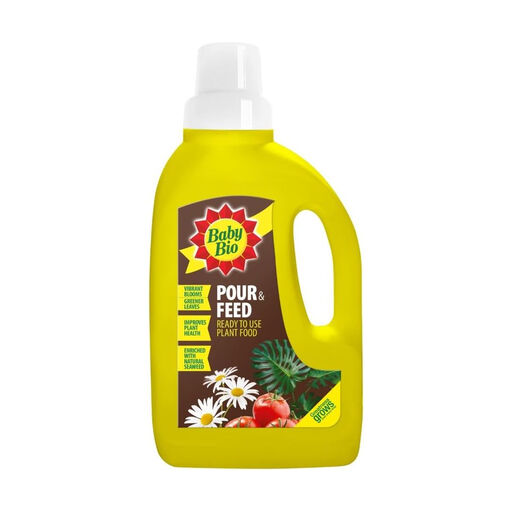
Why This Fits Their Persona: A straightforward option for beginners caring for several ordinary houseplants in a UK home, flat or conservatory.
It is a ready-to-use liquid, so there is no dilution calculation or risk of buying a concentrate that is inconvenient for occasional use.
One-litre volume; contains seaweed extract; pour directly onto the soil as directed.
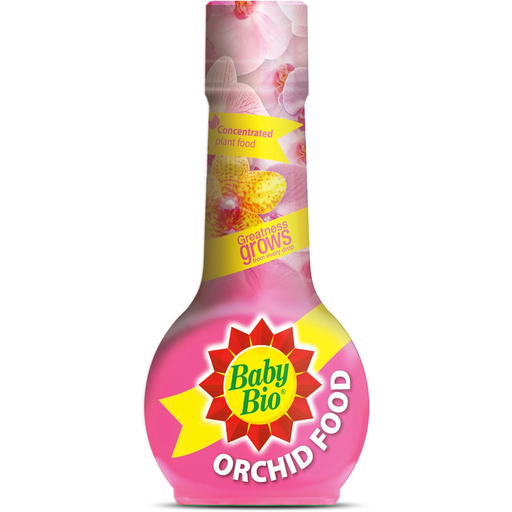
Why This Fits Their Persona: Suitable for orchid owners who want a formula and dosing guidance specifically directed at orchid care throughout the year.
The specialist label and stated NPK ratio make it easier to avoid applying a generic feed without checking orchid suitability.
175ml liquid concentrate; NPK 5.3-2.2-0.85; dosing guidance includes drops or capful measurements.
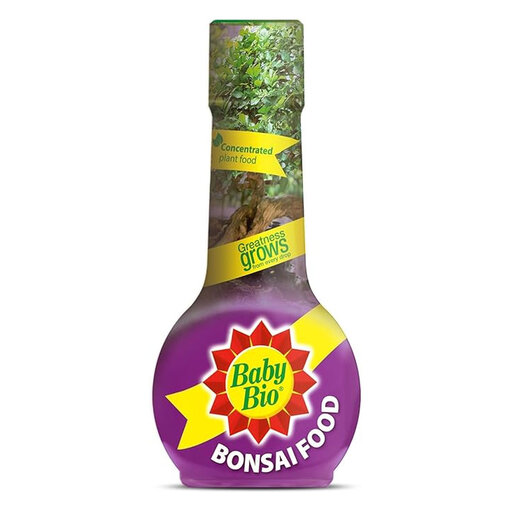
Why This Fits Their Persona: Designed for bonsai keepers who need a specialist feed for indoor or outdoor varieties, including Acer, Juniper and Chinese Elm.
It avoids relying on a general-purpose feed when the purchase is specifically for maintaining bonsai growth.
175ml concentrate; makes up to 70 litres of solution; suitable for indoor and outdoor bonsai.
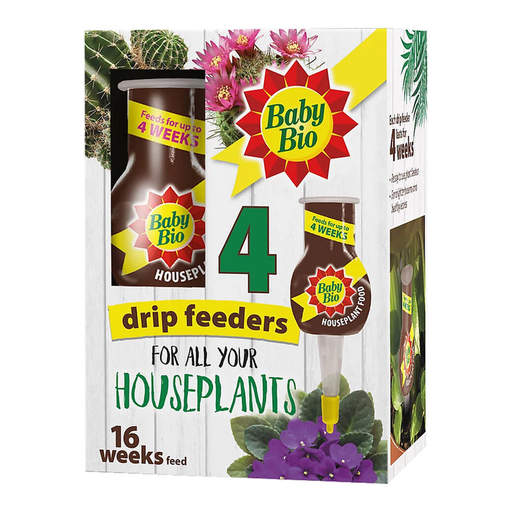
Why This Fits Their Persona: A practical choice for busy UK households, offices or conservatories where regular measuring is easy to forget.
The ready-to-use format avoids dilution errors and each feeder is designed to last up to four weeks.
Four 40ml feeders; no mixing required; insert the cut tip into the soil as directed.
For cacti and succulents, the Baby Bio Cactus Plant Feed 175ml is a specialist concentrate intended for use during active growth. Herb growers can consider the Baby Bio Herb Plant Feed 175ml, which is suitable for indoor and garden herbs and is mixed into watering at the stated interval.
For citrus plants, the Baby Bio Citrus Plant Feed 175ml provides a liquid formula with an NPK ratio of 6.6-4.7-8.6 and instructions for more frequent summer feeding. Lawn owners should instead choose a dedicated lawn fertiliser, such as a soluble lawn feed or a granular product applied with a spreader. A handheld spreader can also distribute seed, fertiliser, lime and winter salt across outdoor areas.
We have compiled a complete, real-time list of products that fully satisfy these strict selection criteria and UK safety regulations.
The schedule depends on the product and plant. Some houseplant feeds are used with each watering, while the Baby Bio Herb Plant Feed instructions state use once every two weeks. Citrus feed may be used weekly in summer and less often in winter. Always follow the product label and avoid feeding dry, stressed or recently repotted plants unless the instructions allow it.
The Baby Bio Houseplant Feed Drip Feeders are designed to provide nutrients for up to four weeks per feeder. Actual release may vary with soil, temperature, plant size and watering conditions. Check the soil and plant regularly rather than relying only on the calendar.
Yes, a liquid plant food can be suitable for indoor plants when the formula, dilution and application method match the plant. Protect floors and surfaces from spills, keep fertiliser away from children and pets, and store it according to the container instructions.