
24/7 全天候客户支持

免费退货

当日/次日达

品质保障

开启新人专享福利: 全场免邮 | 低至 2 折 | 免费试用 30 天 JoyPlus 会员
下载 Joybuy
Choosing plant feed and lawn fertiliser can seem straightforward until you compare concentrated liquids, soluble granules, drip feeders and ready-to-use formulas. The wrong product may waste money, scorch plants or simply be unsuitable for the species you are growing.
This guide explains the practical details to check before buying, then matches several options to common UK gardening needs.
A general liquid plant food may be suitable for many houseplants, but orchids, cacti, succulents, bonsai, herbs and citrus plants have different growing patterns. A product designed for foliage plants may not be the most suitable choice for encouraging flowers or supporting fruiting plants.
Specialist feeds are not automatically necessary for every plant, but they can make dosing and routine care more straightforward when the formulation and instructions are tailored to a particular plant group.
A small bottle of concentrated plant fertiliser may make considerably more solution than a larger ready-to-use product. For example, the 175ml Baby Bio herb and bonsai feeds are specified to make up to 70 litres when diluted according to their instructions.
However, compare the final volume, recommended dose and feeding frequency rather than the bottle size alone. A low purchase price can become less economical if the product needs frequent application or covers only a small area.
Some lawn fertiliser products describe visible greening within a few days, while others focus on longer feeding periods. Colour can change quickly after nutrients become available, but density, root development and recovery from wear require appropriate mowing, watering, aeration and soil conditions too.
Avoid applying extra fertiliser because the lawn has not changed immediately. Over-application can damage grass and increase waste. Always use the dosage and application guidance on the product label.
There are four common formats:
Check whether the product suits your available equipment. A lawn feed intended for a watering can may not be suitable for a spreader, and a drip feeder must be inserted correctly into the compost.
NPK refers to nitrogen (N), phosphorus (P) and potassium (K). Nitrogen is commonly associated with leafy growth, phosphorus contributes to general plant development and potassium supports many flowering, fruiting and structural functions.
The ratio is not a quality score. It indicates the relative nutrient content. Baby Bio Houseplant Feed, for instance, lists an NPK ratio of 10.6-1.9-1.4, while Baby Bio Orchid Feed lists 5.3-2.2-0.85. These products are intended for different plant groups, so compare the label with your plant rather than choosing the highest number.
For citrus plants, the Baby Bio Citrus Plant Feed lists 6.6-4.7-8.6 and includes a high potassium content. It is specified for indoor and outdoor citrus plants, with different seasonal guidance.
For lawn products, coverage is essential. Several options in this range cover up to 100m², but application methods differ. Miracle-Gro Fast Green Lawn Treatment Concentrate is a 1-litre liquid concentrate specified for watering-can application, while Miracle-Gro Soluble Lawn Feed is a 1kg water-soluble format suitable for a watering can or feeder.
For plant feeds, check feeding intervals. Some liquid products are added during watering, while houseplant and orchid drip feeders are designed to release feed over a longer period. Store fertiliser sealed, in a cool, dry or frost-free place as instructed, and keep it away from children, pets, food and animal feed.
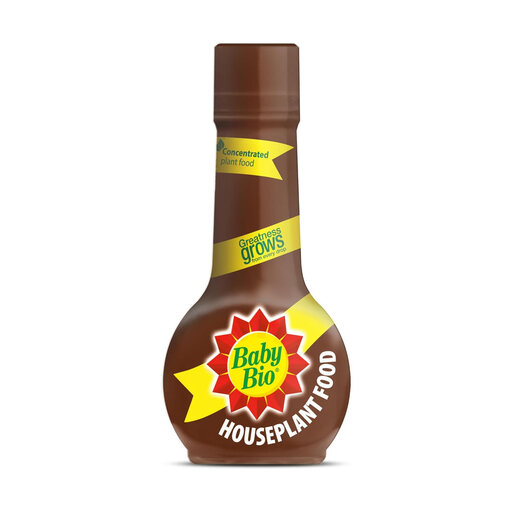
Why This Fits Their Persona: A compact concentrated feed for people starting an indoor plant collection, with a stated 5–10-drop dose per half litre or pint of water.
The listed dilution instructions make it easier to avoid guessing with a concentrated formula.
175ml liquid concentrate; listed NPK ratio of 10.6-1.9-1.4; suitable for a range of houseplants.
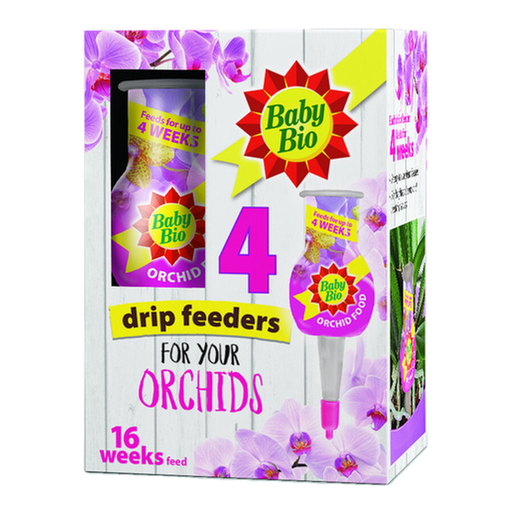
Why This Fits Their Persona: Suitable for orchid owners who prefer a measured, low-maintenance feeding routine rather than mixing liquid orchid feed each time.
Each feeder is pre-filled, removing the need to estimate a dose. Check the packaging for placement and duration instructions before use.
Four 40ml drip feeders; designed to release feed over up to 30 days per feeder according to the listing.
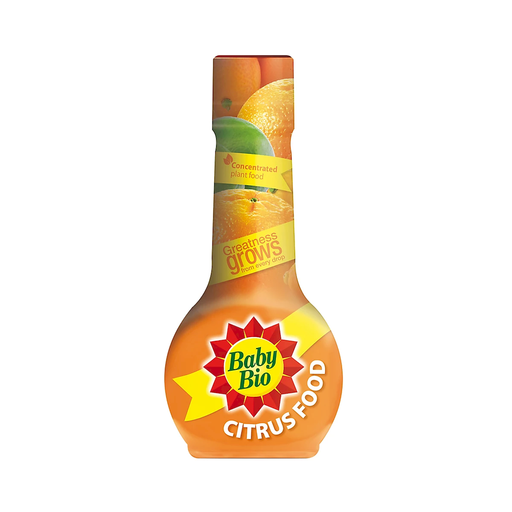
Why This Fits Their Persona: Designed for growers maintaining lemon, lime, orange and other citrus plants in UK homes, conservatories or gardens.
Its label guidance separates summer and winter use, helping avoid applying the same schedule in changing UK conditions.
175ml liquid formula; listed NPK ratio of 6.6-4.7-8.6; specified dosage of 5–10 drops per half litre of water.
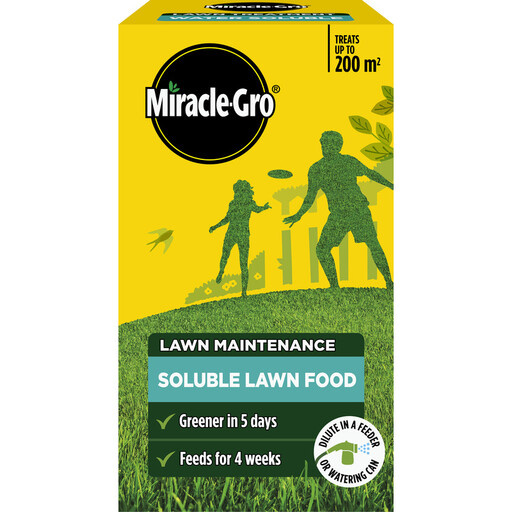
Why This Fits Their Persona: A practical format for homeowners maintaining lawns up to 100m² who already have a watering can or compatible feeder.
The soluble format and stated coverage make it easier to calculate the amount required for a defined lawn area.
1kg water-soluble granules; coverage up to 100m²; listed feeding period of up to six weeks.
We have compiled a complete, real-time list of products that fully satisfy these strict selection criteria and UK safety regulations.
Follow the product label and the plant’s active growing period. Many indoor plants are fed during spring and summer, while feeding may be reduced in darker, cooler months. Specialist products can have different schedules: Baby Bio Citrus Plant Feed, for example, specifies weekly summer feeding and reduced winter use.
Neither format is automatically cheaper. Compare the purchase price with the stated coverage, dilution rate and feeding duration. A liquid lawn feed may be convenient for occasional use, while a soluble lawn feed can suit larger or regularly maintained lawns when mixed and applied accurately.
Use fertiliser only as directed on its label. Keep people and animals away during application if the instructions require it, avoid spills, wash hands after handling and observe any re-entry or watering guidance. Product-specific safety information on the packaging takes priority over general gardening advice.