
24/7 Customer Support

Free returns

Same-day & Next-day Delivery

Quality Guaranteed

Unlock Your Welcome Offers: FREE Delivery | Up to 80% OFF | Free 30-day JoyPlus trial
Download the APP
A failed bake can be disheartening. You follow the recipe to the letter, but your bread comes out dense, your cake is tough, or your sauce is lumpy. Often, the culprit isn't your technique—it's the bag of baking flour you grabbed from the cupboard. With so many options on the shelf, from plain and self-raising to speciality grains, it's easy to make a costly mistake.
As the Joybuy Product Recommendation Officer, I see where UK home bakers often go wrong. Before you decide to buy flour online, let's look at the common traps that lead to disappointing results and wasted ingredients.
To ensure your baking is a success, you need to look beyond the brand name. Here are the three non-negotiable factors to check before adding any baking flour to your basket.
Protein, which becomes gluten when mixed with water, dictates the structure of your final product. It's the difference between a delicate sponge and a sturdy loaf.
This is a simple but crucial distinction that can make or break a recipe.
For dietary needs or specific cuisines, choosing the right alternative is essential.
To help you choose, we've matched some reliable flour options to different types of home bakers.
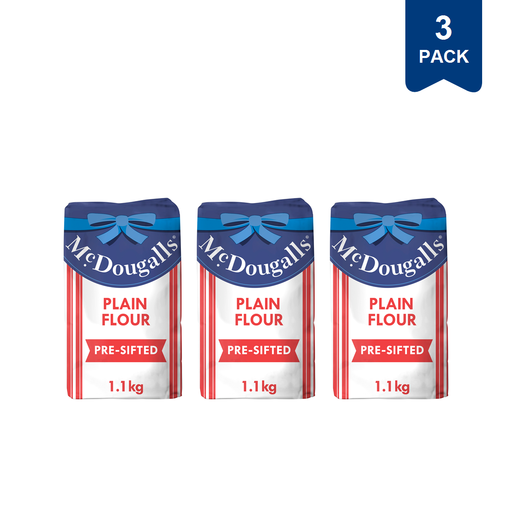
Why This Fits Their Persona: For the baker who regularly makes pastries, biscuits and family cakes, this is a dependable pantry staple. The multi-pack format offers good value and ensures you don't run out mid-bake. It's a trusted, consistent product for a wide range of general baking needs.
This is a classic plain flour, so there's no confusion. It avoids the "one-flour-fits-all" myth by being exactly what it is—a reliable, medium-protein flour for general use, not for specialist bread making.
Pre-sifted for a lighter texture in your bakes. Buying as a bulk flour pack offers convenience and better value for frequent bakers.

Why This Fits Their Persona: Perfect for the baker dedicated to achieving a great crust and open crumb. This flour is specifically designed for yeast-leavened breads, pizza bases and rolls, providing the necessary strength for a superior rise and satisfyingly chewy texture.
It is clearly labelled as strong bread flour, directly addressing the protein pitfall. Using this eliminates the risk of a dense, failed loaf that comes from using a lower-protein flour for bread making.
High protein content (12g per 100g) ensures excellent gluten development for a strong, elastic dough. Milled from quality wheat for consistent performance.
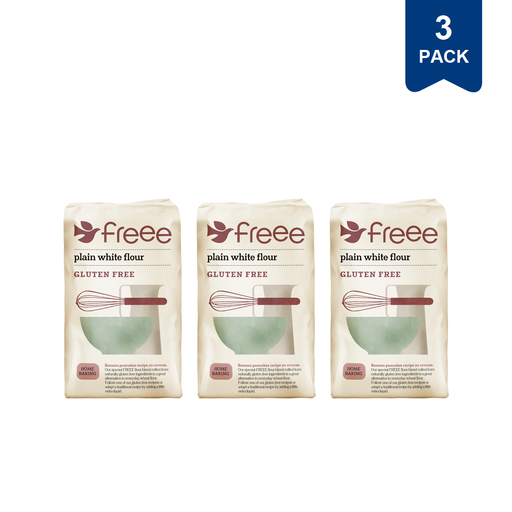
Why This Fits Their Persona: For anyone baking for coeliac disease or a gluten sensitivity, a reliable flour substitute is non-negotiable. This blend is formulated to be a direct replacement for plain wheat flour in many recipes, making gluten-free baking more accessible and predictable.
It avoids the trap of using a single-ingredient gluten-free flour (like just almond or coconut) which can lead to dry, crumbly results. This is a purpose-made gluten free flour blend designed for versatility.
A carefully balanced blend of rice, potato, tapioca, maize and buckwheat flour. It is naturally free from gluten and other major allergens.
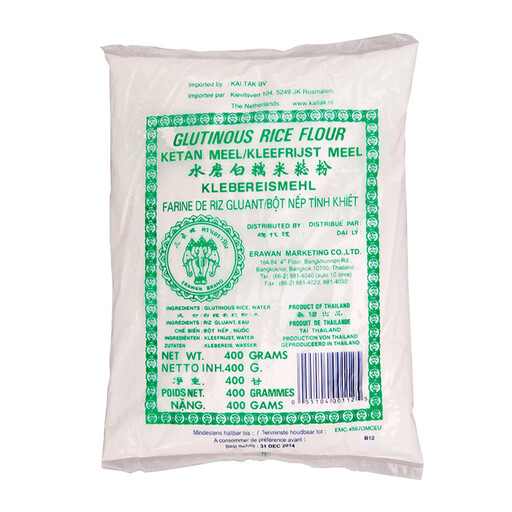
Why This Fits Their Persona: For the home cook exploring Asian cuisines and wanting to create authentic desserts like mochi, tangyuan, or palitaw. This flour is the essential ingredient for achieving the characteristic soft, sticky and chewy texture that defines these treats.
This directly solves the common mix-up between regular rice flour and glutinous rice flour. Using this specific flour ensures the correct chewy texture, preventing the disappointment of a grainy, non-cohesive dessert.
Milled from premium glutinous rice to deliver an authentic sticky and chewy texture. It is naturally gluten-free and a versatile base for many Asian desserts.
We have compiled a complete, real-time list of products that fully satisfy these strict selection criteria and UK safety regulations.
Yes, you can make your own self-raising flour in a pinch. The standard conversion is to add 2 teaspoons of baking powder for every 150g of plain flour. Sift the flour and baking powder together thoroughly to ensure the raising agent is distributed evenly throughout the mixture for a consistent rise.
The primary difference is the protein content. Strong bread flour typically contains 12-14% protein, which is essential for developing the strong gluten network needed for the structure and chewy texture of yeast-leavened bread. Plain flour has a lower protein content of around 9-11%, making it better suited for recipes where a softer, more tender result is desired, such as cakes, biscuits and pastries.
To maintain freshness and prevent spoilage, store your flour in a cool, dry place away from direct sunlight. After opening the bag, it is advisable to transfer the flour to an airtight container. This protects it from moisture, which can cause clumping, as well as from pests and the absorption of strong odours from other foods in your pantry. This is particularly good practice if you buy flour online in larger or bulk flour quantities.