
24/7 Customer Support

Free returns

Same-day & Next-day Delivery

Quality Guaranteed

Unlock Your Welcome Offers: FREE Delivery | Up to 80% OFF | Free 30-day JoyPlus trial
Download the APP
Walking down the baking aisle can feel overwhelming. With shelves lined with different types of baking flour, it’s easy to grab the wrong bag and end up with a flat cake or a dense loaf of bread. As a Joybuy Product Recommendation Officer, my role is to help you navigate these choices and understand what really matters for your baking projects, so you can stock your pantry with confidence.
Many shoppers fall into a few common traps. By understanding them, you can avoid disappointing results and wasted ingredients.
Before you buy flour online UK, focus on these three core specifications. They are the true indicators of how the flour will perform in your kitchen.
Protein is the single most important factor. When mixed with water, the proteins in wheat flour form gluten, which creates the structure of your bake.
This is a common point of confusion for new bakers. The choice depends entirely on your recipe's requirements.
While most baking is done with wheat flour, many recipes and dietary needs call for alternatives.
Based on these practical considerations, here are a few recommendations matched to different types of home bakers.
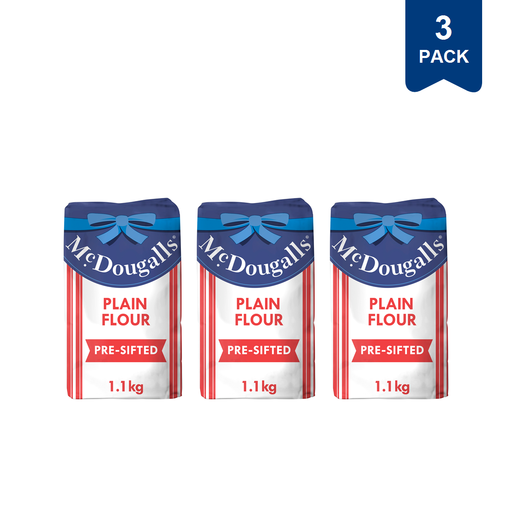
Why This Fits Their Persona: For the frequent home baker, this flour multipack is both practical and economical. It provides a reliable supply of versatile plain flour for everything from Sunday morning pancakes to thickening a weekday stew, ensuring the pantry is always ready.
This is a dedicated plain flour, which avoids the "one flour fits all" trap by giving you complete control over leavening. You can adapt it to any recipe, preventing the failures that come from using self-raising flour incorrectly.
A versatile, all-purpose staple with a moderate protein content (10.4g/100g). The multipack format offers excellent value for regular bakers.

Why This Fits Their Persona: For those dedicated to the craft of bread making flour, this is the correct tool for the job. It's milled specifically to provide the strength and elasticity needed for crusty sourdough, chewy pizza bases and perfectly risen dinner rolls.
This flour directly solves the protein pitfall. By choosing a dedicated strong bread flour, you ensure your dough has the high gluten content (12g/100g) required to trap air and develop the chewy texture that plain flour simply cannot provide.
High protein content ensures excellent dough elasticity and rise. It's a reliable and consistent flour from a trusted UK brand, ideal for all yeast-leavened baking.
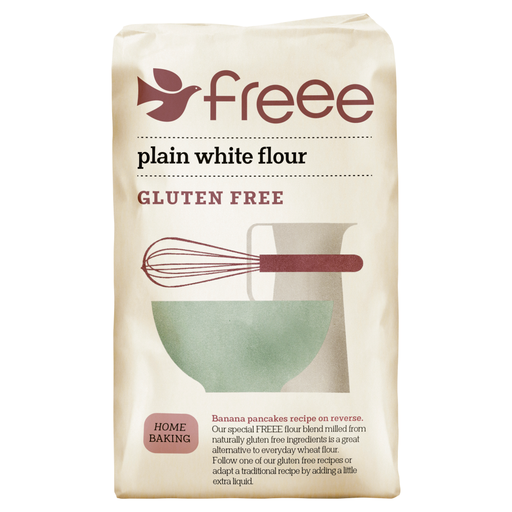
Why This Fits Their Persona: Perfect for anyone with coeliac disease or a gluten sensitivity who wants a straightforward substitute for conventional flour. This blend is designed to be a versatile, all-purpose alternative for cakes, cookies and sauces.
This product directly addresses the "misunderstanding gluten-free" pitfall. Instead of a single-ingredient flour that behaves unpredictably, this is a balanced blend of rice, potato, tapioca, maize and buckwheat designed to work as a 1:1 replacement in many recipes.
A specially formulated blend that provides a reliable structure for gluten-free baking. It's a versatile pantry staple for those with dietary restrictions.
We have compiled a complete, real-time list of products that fully satisfy these strict selection criteria and UK safety regulations.
Yes, and it's a simple conversion. The general rule of thumb is to add 2 teaspoons of baking powder for every 150g of plain flour. Sift the baking powder with the flour to ensure it is evenly distributed. This gives you the leavening power of self-raising flour while using a more versatile pantry staple.
To maximise freshness, store your flour in a cool, dry place away from direct sunlight. Once the bag is opened, it is highly recommended to transfer the flour to an airtight container. This protects it from moisture, which can cause it to spoil, and prevents it from absorbing strong odours from other foods in your cupboard.
For those who bake regularly, a flour multipack is almost always more economical. It lowers the cost per kilogram and ensures you don't run out mid-recipe. Before purchasing, simply check the 'best before' date to ensure you can use it all in time and confirm you have a suitable airtight container for storage.