
24/7 Customer Support

Free returns

Same-day & Next-day Delivery

Quality Guaranteed

Unlock Your Welcome Offers: FREE Delivery | Up to 80% OFF | Free 30-day JoyPlus trial
Download the APP
Navigating the baking aisle can feel surprisingly complex. With shelves lined with dozens of bags, all labelled 'flour', it's easy to grab the wrong one and end up with a flat cake or a dense loaf of bread. As the Joybuy Product Recommendation Officer, my role is to help you understand the key differences so you can choose the right baking flour for your recipe, every time.
Many home bakers fall into a few common traps. The first is assuming all flours are interchangeable; using a low-protein flour for a crusty sourdough is a recipe for disappointment. The second is being unsure about protein content, which is the single most important factor determining your bake's final texture. Lastly, many overlook specialised flours that are essential for certain dietary needs or international cuisines, leading to frustrating results when a standard flour just won't do. Let's demystify the options.
Before you add a bag of flour to your basket, it's worth checking a couple of key details on the packaging. Getting these right is the foundation of successful baking.
The protein percentage in wheat flour dictates its gluten-forming potential. Gluten provides structure and elasticity. Matching the protein level to your recipe is crucial.
Beyond protein, the type of flour determines its behaviour and nutritional profile.
To help you choose, we've matched some popular options to the bakers who will appreciate them most.

Why This Fits Their Persona: This is a reliable and versatile pantry staple for the UK home baker. It's suitable for a wide array of everyday recipes, from thickening sauces and making pastry to baking biscuits and simple cakes where you control the raising agents.
It avoids the pitfall of using the wrong flour type by being a straightforward, all-purpose plain flour. There are no hidden raising agents, making it a predictable base for countless recipes.
Milled from UK wheats and pre-sifted for a lighter texture. Available in multi-packs for those looking to buy bulk flour for better value.

Why This Fits Their Persona: For bakers dedicated to achieving a perfect crust and open crumb, a high-protein flour is non-negotiable. This flour is specifically milled for an excellent rise and the chewy structure required for artisan loaves, rolls and pizza bases.
This directly solves the "wrong protein content" problem. Using this flour prevents the dense, flat loaves that result from attempting to make bread with standard plain flour.
Very high protein content (14g per 100g) for superior gluten development and dough strength. Milled from selected Canadian wheat known for its quality.
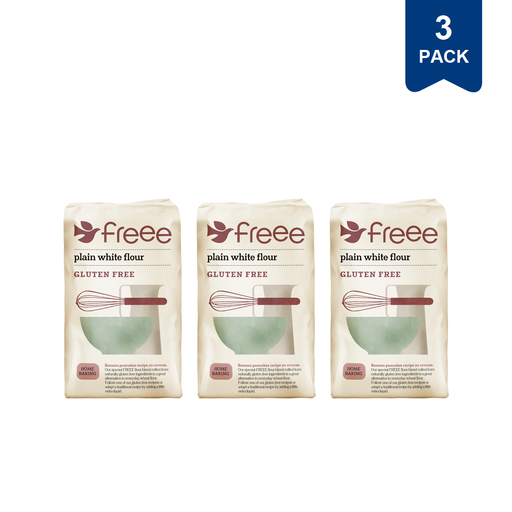
Why This Fits Their Persona: For individuals with coeliac disease or gluten sensitivity, a reliable flour alternative is essential. This blend from Doves Farm flour is specifically formulated to work as a direct replacement for standard plain wheat flour in many recipes.
It directly addresses the needs of those who cannot consume gluten, avoiding the health risks and poor baking results of using wheat flour. It's a carefully balanced blend, not just a single-ingredient flour.
A versatile blend of rice, potato, tapioca, maize and buckwheat flour. It is naturally gluten-free and can be used to adapt many traditional recipes.
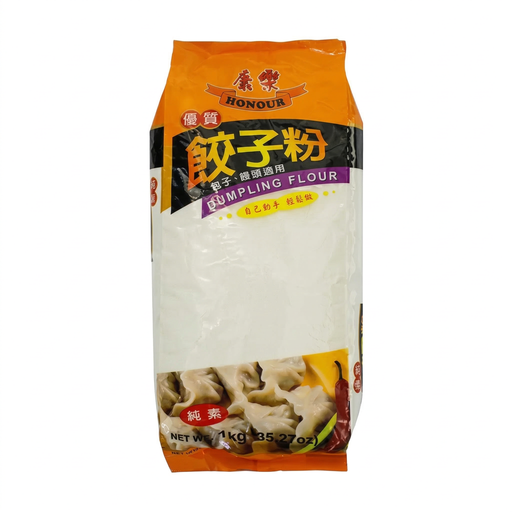
Why This Fits Their Persona: For those recreating authentic Chinese recipes, the right flour is key. This dumpling flour is specifically milled to have a moderate gluten content, creating a dough that is easy to roll thinly but strong enough not to tear during cooking.
It prevents the common mistake of using the wrong flour for a speciality task. Using bread flour would make dumpling skins too tough, while cake flour would make them fall apart. This offers the perfect balance.
Creates a pleasantly chewy and durable dumpling skin. Also versatile enough for other Chinese pastries like wontons and steamed buns.
We have compiled a complete, real-time list of products that fully satisfy these strict selection criteria and UK safety regulations.
1. Can I use plain flour instead of self-raising flour? Yes, you can. The general rule is to add 2 teaspoons of baking powder for every 150g of plain flour. Sift the baking powder with the flour to ensure it is evenly distributed throughout your mixture.
2. How should I store my baking flour to keep it fresh? Flour should be stored in a cool, dry place away from direct sunlight. Once opened, it is a good idea to transfer the flour from its paper bag into an airtight container. This protects it from moisture, odours and pantry pests, significantly extending its freshness.
3. What is the main difference between strong bread flour and plain flour? The primary difference is the protein content. Strong bread flour has a higher protein level (12-15%), which is necessary to develop the gluten that gives bread its chewy structure and good rise. Plain flour has a lower protein content (9-11%), making it better suited for cakes, biscuits and pastries where a more tender texture is desired.