
24/7 Customer Support

Free returns

Same-day & Next-day Delivery

Quality Guaranteed

Unlock Your Welcome Offers: FREE Delivery | Up to 80% OFF | Free 30-day JoyPlus trial
Download the APP
A warm bath can become an affordable part of a UK evening routine, but choosing between bath soaks and bath salts is not always straightforward. Large packs, intense fragrances and phrases such as “muscle therapy” or “sleep support” can make products appear more effective than their ingredients and instructions demonstrate.
Before buying, focus on the formula, the intended use and the practical cost per bath. A product designed for rich bubbles may suit a relaxing evening, while a simple mineral salt may be more suitable for post-workout soaking. Neither should be treated as a medical treatment, and results can vary from person to person.
Lavender, bergamot, eucalyptus and rosemary can create a pleasant aromatherapy bath soak, but fragrance alone does not prove a product will improve sleep, relieve pain or change your mood. Treat these descriptions as sensory guidance: lavender and chamomile may suit a bedtime ritual, while citrus or rosemary may feel more refreshing.
Check whether fragrance oils or allergens such as limonene, linalool or geraniol appear in the ingredient list. These are not automatically unsuitable, but people with fragrance sensitivities should take extra care.
Magnesium bath flakes, Epsom bath salts and Dead Sea salts have different compositions:
Marketing often links these minerals with muscle relief, detoxification or magnesium absorption through the skin. Such statements should not be taken as established medical outcomes. Choose based on the labelled ingredients, bathing experience and your personal skin tolerance.
A 1kg bag may look economical, but some products recommend 200–800g per bath. By contrast, a 500ml bubble soak may require only a smaller pour under running water. Compare the number of uses, not just the pack size.
Salt products can also attract moisture and clump if the pouch is not sealed properly. A resealable, waterproof storage method helps preserve usability, particularly in a steamy bathroom.
For a sensitive skin bath soak, look for a straightforward ingredient list, skin-friendly moisturising ingredients and clear warnings. Sanex soothing formulas, for example, include glycerin and a prebiotic and postbiotic complex, while the moisturising versions include ingredients such as sodium PCA and inulin.
“pH-balanced”, “soap-free” or “sulphate-free” descriptions can be useful indicators, but they do not guarantee that irritation is impossible. Always check the current packaging and stop using a product if a rash or discomfort develops.
For a post-workout bath soak, compare magnesium chloride flakes with magnesium sulphate Epsom salts and scented mineral blends. Unscented flakes may be a practical choice if you want to avoid unnecessary fragrance. A scented blend can be preferable when the atmosphere and aroma are equally important.
Follow the manufacturer’s dosage. More salt is not automatically better and can increase cost, residue or skin discomfort.
A bubble bath soak is designed to produce foam under running water, whereas coarse salts need time to dissolve. Oils and strongly fragranced products may make the bath surface slippery, so take care when entering and leaving the bath. Rinsing the bath afterwards can reduce residue and help protect the surface.
The following products match different shopping priorities rather than one universal preference.
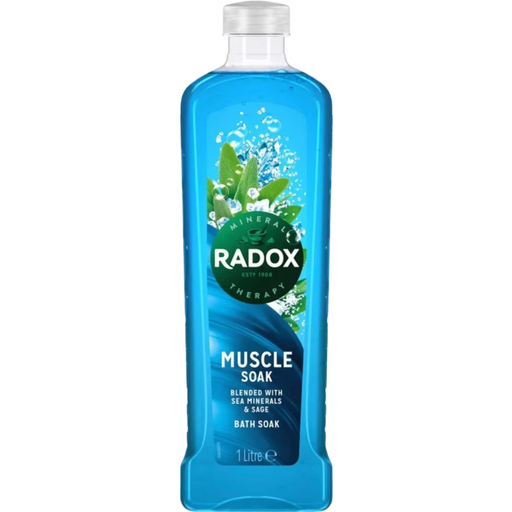
Why This Fits Their Persona: The 1-litre bottle suits regular bath users who prefer a ready-to-pour bubble formula for relaxing evenings or tired-feeling muscles.
Its liquid format makes dosage easier to adjust than a large scoop of mineral flakes. Check the full fragrance and surfactant list if your skin is sensitive.
Contains sea minerals and sage; produces bubbles under running water; labelled pH skin neutral.
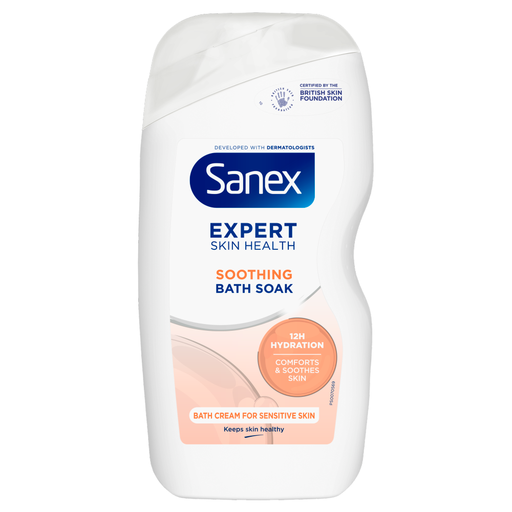
Why This Fits Their Persona: It is aimed at shoppers prioritising gentle cleansing and a comfortable bathing routine over a strong mineral or essential-oil experience.
The product description specifies no sulphate-based surfactants, a pH-balanced formula and a microbiome-friendly complex. Still review the label before use.
Includes glycerin and skin-care ingredients; creates a soft foam; labelled for external use.
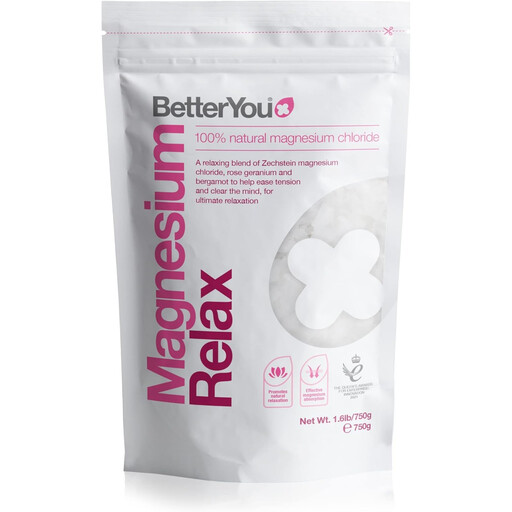
Why This Fits Their Persona: This suits shoppers who value a mineral-only base combined with an aromatic bathing ritual for evening relaxation.
The ingredient list identifies magnesium chloride flakes and essential oils clearly, allowing you to assess fragrance suitability before purchase.
750g pack; rose geranium and bergamot oils; suitable for full-body and foot-bath routines according to the product information.
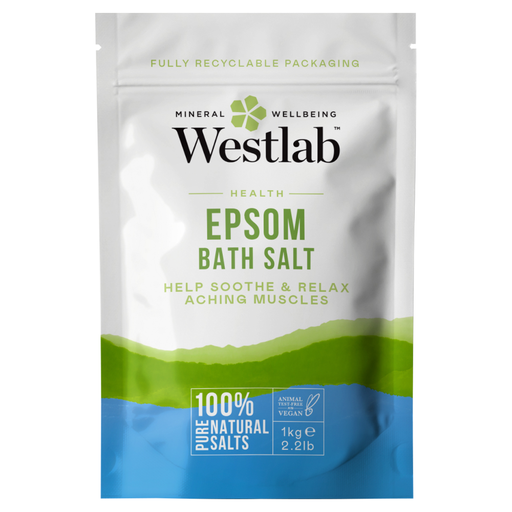
Why This Fits Their Persona: A large, unscented pack is practical for frequent bathers, fitness enthusiasts and shoppers wanting a simple post-workout bath soak.
It uses one clearly listed ingredient: magnesium sulphate. This avoids paying for added fragrance when a straightforward mineral soak is your priority.
1kg format; suitable for bath or foot soak; no artificial additives listed in the supplied product details.
We have compiled a complete, real-time list of products that fully satisfy these strict selection criteria and UK safety regulations.
No. Epsom salts are magnesium sulphate, while magnesium bath flakes are usually magnesium chloride. Both dissolve in warm water, but they are different ingredients and should be selected according to the product label and your preferred bathing experience.
Many products suggest approximately 15–20 minutes, but the instructions vary. Follow the directions supplied with the specific product and leave the bath if you feel dizzy, uncomfortable or experience skin irritation.
The main cost is heating the bathwater, rather than dissolving the salts. A full bath generally uses more water and energy than a shower, so compare pack dosage and use frequency. A smaller amount used as directed may offer better value than a large recommended dose.