
24/7 Customer Support

Free returns

Same-day & Next-day Delivery

Quality Guaranteed

Unlock Your Welcome Offers: FREE Delivery | Up to 80% OFF | Free 30-day JoyPlus trial
Download the APP
That sudden, unwelcome glow of a warning light on your dashboard can be a source of immediate stress. Is it a minor issue or a sign of a costly repair? A modern car diagnostic tool can provide the answer, translating cryptic fault codes into clear information. This allows you to understand the problem, perform your own maintenance or simply have a more informed conversation with your mechanic.
Navigating the market for these devices can be confusing. From a simple car code reader to a professional car scanner, the options are vast. This guide is designed to help you understand the key features to look for and to highlight a few noteworthy options for different needs and budgets.
Before diving into specific products, consider what you need your tool to do. Focusing on these three areas will help you narrow down your search.
Many entry-level devices are simply a check engine light scanner. They read and clear generic fault codes from the Engine Control Unit (ECU). However, modern cars have dozens of electronic systems, including ABS (brakes), SRS (airbags), transmission and climate control. A full system diagnostic tool can access these other modules, giving you a complete picture of your vehicle's health. This is particularly useful for diagnosing non-engine-related warning lights.
Beyond reading codes, many tools offer advanced capabilities.
Consider how the tool connects to your vehicle and your display device. Many modern options are a Bluetooth OBD2 scanner, which plugs into the car's OBD2 port and transmits data wirelessly to an app on your smartphone or tablet. Also, check for support for newer protocols like CAN FD, which is used in many General Motors vehicles and other recent models. Finally, review the pricing model—some offer lifetime free updates, while others require an annual subscription for full functionality.
Here are our recommendations, selected to cover a range of common user needs, from straightforward DIY tasks to more advanced diagnostics.
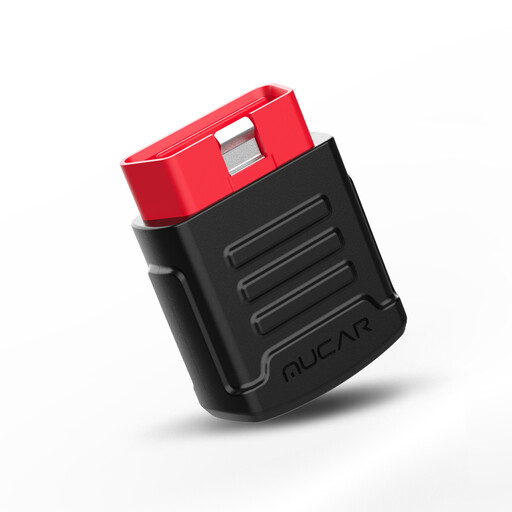
Why It Stands Out: The MUCAR BT200 is a compelling option for its lifetime-free full system diagnostics. It removes the concern of ongoing subscription fees for accessing all of your vehicle's electronic modules, making it a cost-effective choice for long-term use.
Pros:
Who is it for? This tool is well-suited for DIY car enthusiasts and home mechanics who want to go beyond basic engine code reading and perform comprehensive health checks and common service resets without recurring costs.
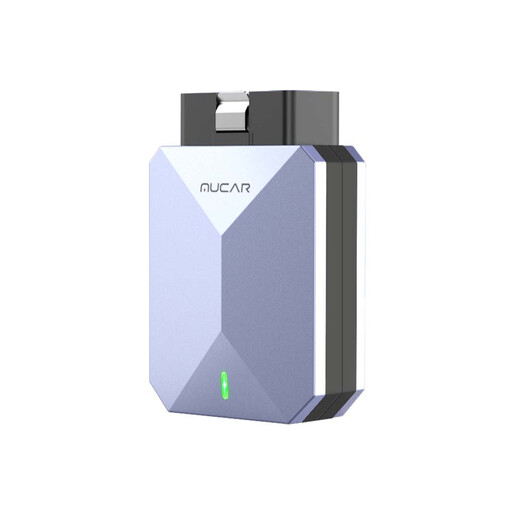
Why It Stands Out: The BT200 MAX introduces AI-powered diagnostics and bi-directional control. The AI assistant helps interpret fault codes and suggests repair steps, while the ability to perform active tests allows for more accurate fault finding, bridging the gap between DIY and professional tools.
Pros:
Who is it for? Ideal for advanced DIYers, used car evaluators and small workshop technicians who need to perform active tests and want a tool that provides guided repair suggestions.
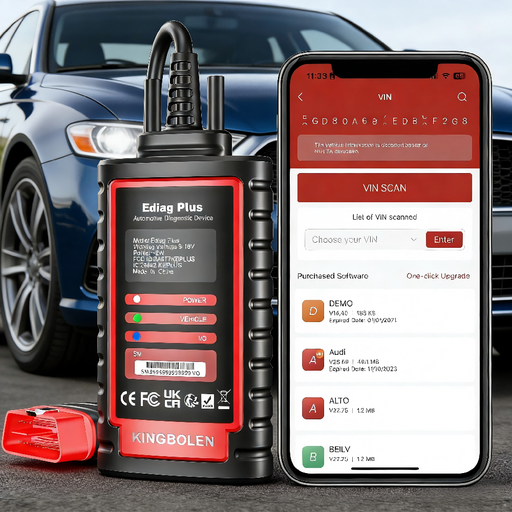
Why It Stands Out: The KINGBOLEN EDIAG PLUS offers a suite of high-level functions typically found in more expensive professional equipment, including ECU coding and comprehensive active tests. It provides a deep level of control for those who need to code new modules or customise vehicle features.
Pros:
Who is it for? This professional car scanner is aimed at serious automotive enthusiasts, independent mechanics and small-to-medium garages that require advanced capabilities like ECU coding and in-depth active testing. Note that full software functionality is included for one year, with a subscription required thereafter.
View KINGBOLEN EDIAG PLUS Details
The products highlighted here represent a fraction of the available tools. If your needs are different, or you're looking for a tool with a specific feature or price point, there are many other choices to consider.
Explore our full range of OBD scanners for car diagnostics to find the perfect match for your vehicle and workshop.
OBD2 (On-Board Diagnostics II) is a standardised system used in most cars sold in the UK and Europe since the early 2000s (and since 1996 in the US). It uses a universal 16-pin port, typically located under the dashboard. OBD1 was the earlier, non-standardised system used before this, where each manufacturer had its own unique connector and codes. The tools discussed here are for OBD2-compliant vehicles.
A quality, certified diagnostic tool is designed to be a read-only device or to send only manufacturer-approved commands. When used correctly, it will not damage your vehicle's ECU. It is simply communicating with the car's onboard computer systems in the same way a dealership's tool would. Always purchase tools from reputable sources to ensure they meet safety and compliance standards.
Not necessarily. For most DIY tasks like reading a check engine light, checking emissions readiness or performing a simple oil reset, a basic to mid-range OBD2 scanner is more than sufficient. A professional car scanner with features like bi-directional control and ECU coding is only necessary if you plan to perform advanced repairs, component testing or vehicle customisation.