
24/7 全天候客户支持

免费退货

当日/次日达

品质保障

开启新人专享福利: 全场免邮 | 低至 2 折 | 免费试用 30 天 JoyPlus 会员
下载 Joybuy
Moving from a manual to an electric toothbrush can significantly elevate your daily oral care routine. Many people make the switch seeking that professionally clean feeling, a brighter smile or a better way to look after their gum health. However, with so many models featuring different technologies and functions, choosing the right one can feel overwhelming.
This guide is designed to cut through the marketing hype. As your Joybuy Product Recommendation Officer, I'll provide practical advice to help you understand the key features to look for. We will explore some of our top recommendations to help you find an electric toothbrush that genuinely suits your needs and budget.
Before diving into specific models, let's break down the essential factors to consider. Understanding these will help you make a more informed decision.
The primary difference between electric toothbrushes lies in how the brush head moves.
Both technologies are effective at removing plaque, so the choice often comes down to personal preference for the sensation and feel.
Modern electric toothbrushes are more than just motorised brushes. Many are now smart electric toothbrushes packed with useful technology.
For those who travel frequently or simply dislike constant charging, a rechargeable electric toothbrush with a long battery life is a must. Some models can last for several weeks or even months on a single charge. Additionally, an electric toothbrush with a travel case is invaluable for keeping your brush hygienic and protected on the go.
Here are a few standout models that cater to different needs and preferences, selected for their features and user-focused design.
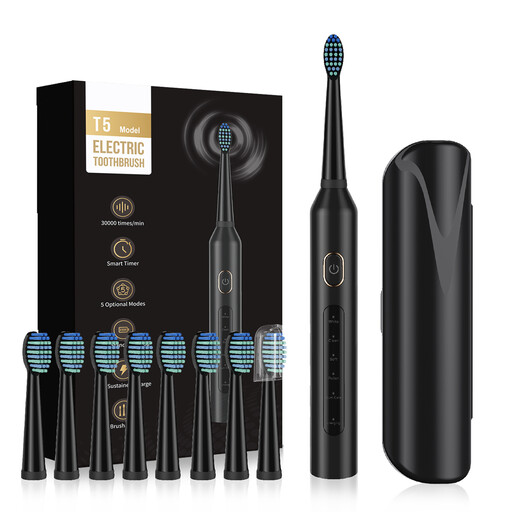
Why It Stands Out: The Sunluxy T5 offers a remarkable combination of performance and value. Its sonic technology delivers up to 40,000 vibrations per minute for effective cleaning. What makes it particularly compelling is its exceptional battery life and the generous inclusion of eight brush heads, providing up to two years of use straight out of the box.
Pros:
Who is it for?: This is an excellent choice for practical users, frequent travellers and anyone looking for a comprehensive package without the need for immediate follow-up purchases.
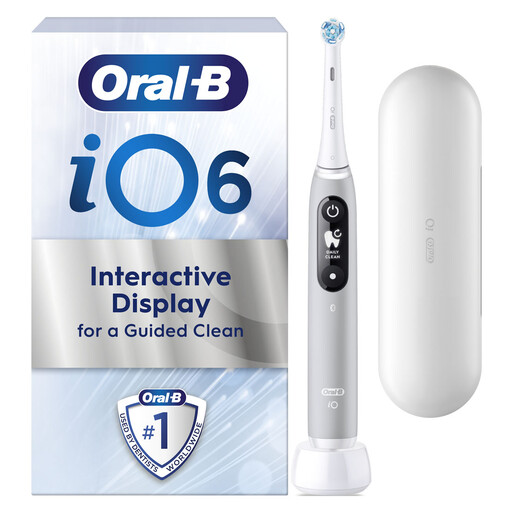
Why It Stands Out: The Oral-B iO6 utilises the brand's advanced iO magnetic technology, which directs cleaning energy to the bristle tips for a smooth, quiet and thorough clean. Its interactive OLED display provides at-a-glance information, while the smart pressure sensor gives real-time feedback by changing colour, ensuring you use the optimal force for effective and safe brushing.
Pros:
Who is it for?: A great fit for the tech-savvy individual who appreciates data-driven feedback and wants personalised coaching to perfect their brushing technique.
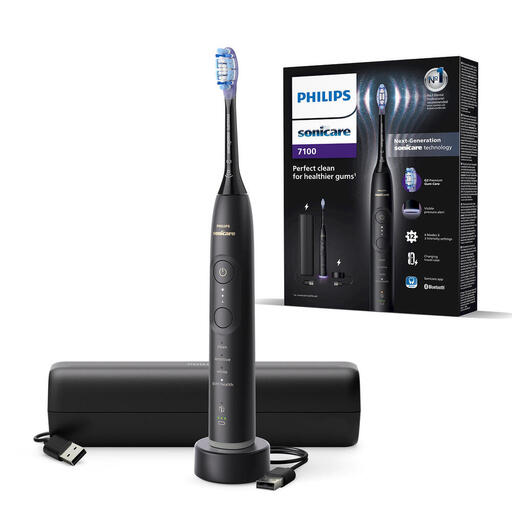
Why It Stands Out: The Philips Sonicare 7100 is engineered with a strong focus on gum health and user guidance. Its powerful sonic technology is complemented by a built-in visual pressure sensor that alerts you if you're brushing too hard. The BrushSync technology is another key feature, as it tracks your brush head's usage and reminds you when a replacement is due, ensuring optimal performance.
Pros:
Who is it for?: Ideal for users whose primary concern is gum health or for those who know they have a habit of brushing too aggressively. The protective features provide valuable peace of mind.
The models above represent a fraction of the technology available. If you are particularly interested in high-frequency vibration cleaning and want to compare more models with this feature, you can explore our full range of sonic toothbrush options to find the perfect match for your routine.
1. How often should I replace my electric toothbrush head? It is generally recommended to replace your brush head every three months, or sooner if the bristles become visibly frayed. Some toothbrushes, like the Philips Sonicare 7100, have built-in reminders, while others, like the Sunluxy T5, use colour-fading bristles to indicate when it's time for a change.
2. Is a sonic or oscillating toothbrush better? Neither technology is definitively "better"; they are just different. Both have been shown to be more effective at plaque removal than manual brushing. Sonic brushes use high-speed vibrations for a sweeping motion, which some find gentler. Oscillating-rotating brushes use a circular motion to polish each tooth. The best choice often depends on your personal preference for the cleaning sensation.
3. Can I use an electric toothbrush if I have sensitive gums? Yes, an electric toothbrush can be very beneficial for sensitive gums, provided you choose the right model and use it correctly. Look for a brush with a dedicated 'Sensitive' mode and, most importantly, a pressure sensor. This feature is crucial as it trains you to use less force, preventing irritation and protecting your gumline.