
24/7 Customer Support

Free returns

Same-day & Next-day Delivery

Quality Guaranteed

Unlock Your Welcome Offers: FREE Delivery | Up to 80% OFF | Free 30-day JoyPlus trial
Download the APP
Choosing a Philips Sonicare electric toothbrush involves more than selecting the model with the longest feature list. UK shoppers also need to consider brush-head costs, charging compatibility, pressure control, travel accessories and whether app features will genuinely be used.
A rechargeable sonic toothbrush can support a more consistent routine, but marketing language can make similar-looking models appear harder to compare than they are. The practical approach is to identify the functions you will use every day, then avoid paying for features that do not match your habits.
Product pages may state that a toothbrush removes “up to” a certain multiple of plaque compared with a manual toothbrush. These figures are usually based on particular testing conditions and should not be treated as a guarantee of personal results.
Look instead at the features that influence daily use: a two-minute timer, quadrant pacing, suitable brush heads and a pressure sensor. Technique and regular brush-head replacement remain important.
A Bluetooth electric toothbrush can connect to a mobile app for coaching, brushing records and reminders. This may suit users who enjoy tracking routines or want additional guidance when changing from a manual toothbrush.
However, Bluetooth is not essential for basic brushing. If you are unlikely to open the app, a simpler model may provide better value while still offering timed brushing and pressure feedback.
Some models supplied in the UK come with a 2-pin plug, which is commonly used for low-power appliances such as electric toothbrushes and shavers. If your bathroom has a three-pin socket, check whether you need a suitable adaptor.
Also check the price and availability of compatible click-on brush heads. A lower purchase price can become less economical if replacement heads are expensive or difficult to source.
An electric toothbrush with pressure sensor can alert you when excessive force is being applied. Depending on the model, feedback may be delivered through vibration, a light or both.
This is particularly useful for beginners and people who tend to scrub manually. It does not replace dental advice, and users with braces, implants or specific oral concerns should ask their dentist about suitable brush heads and brushing technique.
A two-minute SmartTimer helps structure the recommended brushing period, while QuadPacer prompts you to move between four areas of the mouth. These functions are available on the Philips Sonicare 3100, 7100 and DiamondClean 9000 models listed below.
The benefit is practical rather than complicated: timed prompts can reduce the risk of brushing too briefly or concentrating on only the front teeth.
A rechargeable electric toothbrush should offer enough runtime for your normal routine without constant charging. The listed Philips Sonicare models offer up to approximately two weeks of use under stated usage conditions, although actual battery life varies with mode, intensity and frequency.
A model with a travel case is useful for work trips, holidays and gym bags. Check whether the case stores the handle and brush head securely and whether it provides charging or is simply for transport.
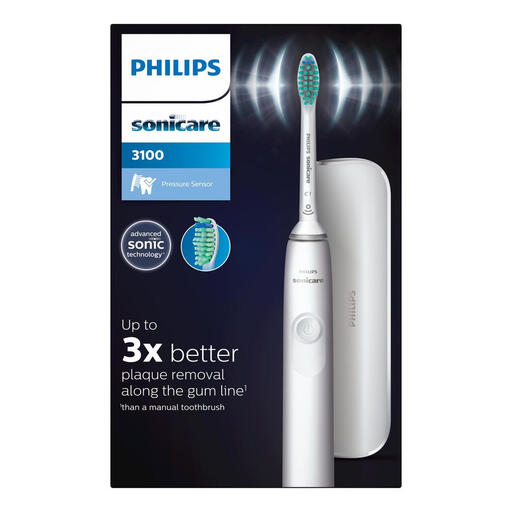
Why This Fits Their Persona: A straightforward option for UK adults upgrading from a manual brush who want rechargeable sonic cleaning without app connectivity or multiple advanced modes.
It focuses on core functions rather than Bluetooth: a pressure sensor, two-minute SmartTimer and QuadPacer are included. The listing specifies a UK 2-pin plug, so an adaptor may be needed for a three-pin socket.
31,000 stated brush movements per minute, rechargeable battery, compatible Sonicare click-on heads and an integrated USB charging travel case.
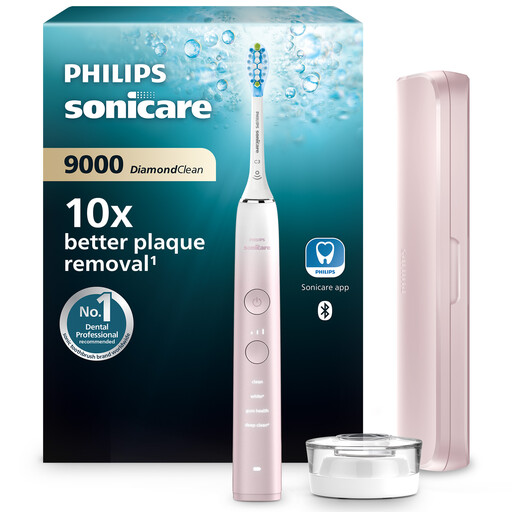
Why This Fits Their Persona: Suited to shoppers who want a premium connected brushing routine, multiple modes and a polished set of accessories for home and travel.
Its premium features are clearly defined: Bluetooth app connectivity, pressure feedback, four modes and three intensity settings. This makes it easier to decide whether the added cost matches your intended use.
Clean, White+, Gum Health and Deep Clean+ modes, three intensities, SmartTimer, QuadPacer, a charging base and premium travel case.
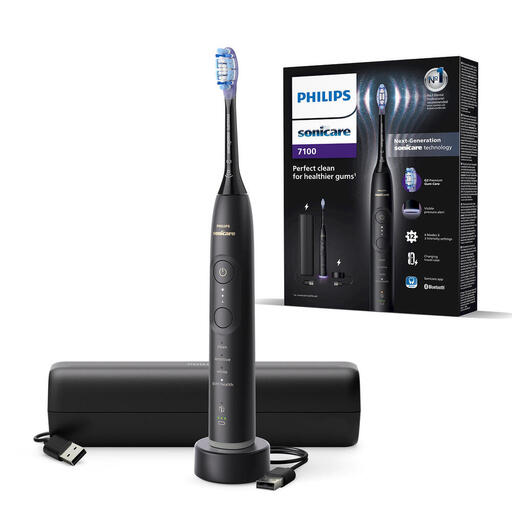
Why This Fits Their Persona: A middle-ground choice for users who want app connectivity, several cleaning modes and a travel case, but do not necessarily need the DiamondClean range.
The visual pressure sensor provides a clear cue when brushing force is too high, while BrushSync tracks head usage and indicates when replacement is due. The listing also specifies a UK 2-pin plug.
Four listed modes, three intensities, Bluetooth app connectivity, 62,000 stated bristle movements per minute and an included travel case.
Yes, the timer, quadrant prompts and pressure sensor can make the change easier. Begin with gentle pressure and a lower intensity where available. If you experience ongoing discomfort or have a specific dental condition, seek advice from your dentist.
Many compatible heads are intended for replacement approximately every three months. Actual timing depends on wear, usage and the model’s reminder system. Replace the head earlier if bristles become visibly damaged or splayed.
It requires electricity and replacement brush heads, so the ongoing cost depends mainly on head prices and charging habits. Charging is infrequent because the listed models can provide up to around two weeks of use per charge under stated conditions. Compare replacement-head prices before deciding between models.