
24/7 Customer Support

Free returns

Same-day & Next-day Delivery

Quality Guaranteed

Unlock Your Welcome Offers: FREE Delivery | Up to 80% OFF | Free 30-day JoyPlus trial
Download the APP
Pushing your physical limits, whether on a long run, during a high-intensity gym session, or on the sports field, often means significant fluid and mineral loss through sweat. While water is essential, sometimes it isn't enough to replace the vital electrolytes your body needs to perform and recover efficiently. This can lead to fatigue, cramps and a drop in performance.
Navigating the world of electrolyte drinks can be confusing. With so many options available, from ready-to-drink formulas to concentrated gels, choosing the right one for your specific needs is key. As a Joybuy Product Recommendation Officer, my role is to help you understand these products based on their objective features, allowing you to make an informed choice that supports your active lifestyle. This guide will walk you through what to look for and highlight some of our top recommendations for 2026.
Before you pick a product, consider these key factors to ensure it aligns with your activity level and goals.
The concentration of a drink relative to your body's fluids affects how quickly it's absorbed.
Not all drinks with electrolytes are created equal.
The best rehydration drinks are the ones you'll actually use.
Here are a few standout options that cater to different needs, based on their formulation and intended use.
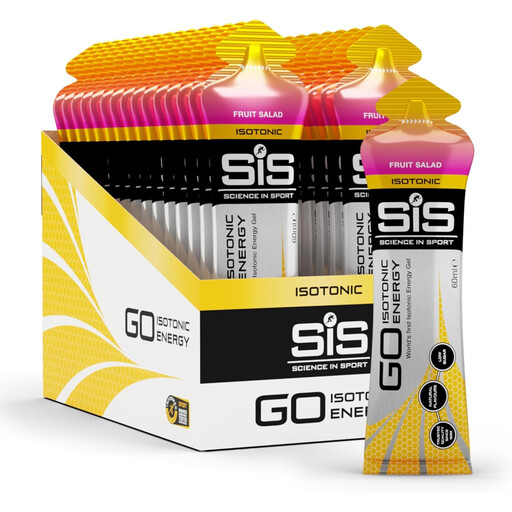
Why It Stands Out: This product's main advantage is its true isotonic formula in a highly convenient gel format. Unlike many other gels, it doesn't require you to drink water immediately afterwards, making it exceptionally practical for use during a race or long training session. It delivers 22g of carbohydrates per 60ml serving for a rapid energy boost.
Pros:
Who is it for? This is an excellent choice for endurance athletes. Runners, cyclists and triathletes who need accessible endurance fuel during prolonged activity will find the format and formulation particularly beneficial.
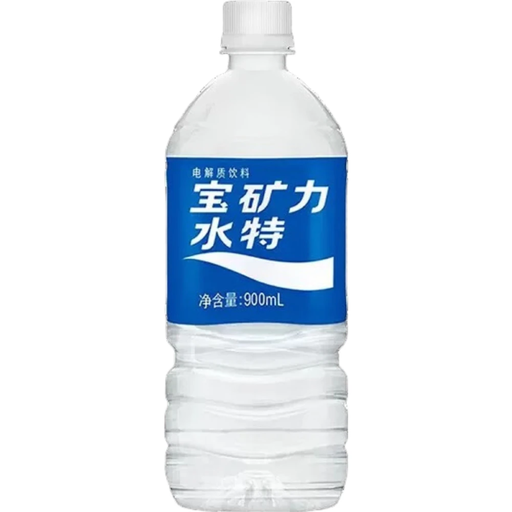
Why It Stands Out: Pocari Sweat is a well-established sports hydration drink known for its composition, which is designed to closely resemble the body's natural fluid balance. Its light, non-carbonated grapefruit flavour is refreshing and not overly sweet, making it easy to drink when you need to rehydrate quickly after a demanding workout.
Pros:
Who is it for? This drink is suitable for a wide range of active individuals. It's a reliable option for team sports players, gym-goers or anyone needing to rehydrate effectively after moderate to intense physical exertion.
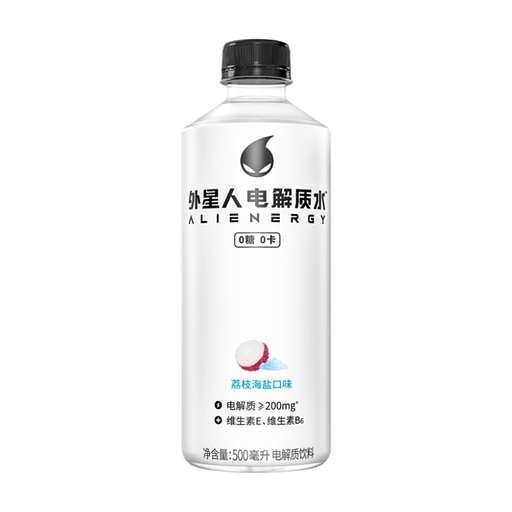
Why It Stands Out: This drink from Chi Forest's Alienergy line caters to the growing demand for functional hydration without the added sugars or calories. It offers a clean way to replenish electrolytes, enhanced with vitamins B6 and E. The unique lychee and sea salt flavour provides a sophisticated and refreshing alternative to traditional sports drink tastes.
Pros:
Who is it for? This is a great match for health-conscious individuals, those on low-carbohydrate diets, or people engaging in activities like yoga, pilates or moderate gym sessions where the primary goal is rehydration, not calorie replacement.
If these specific products don't quite fit your needs, or if you're interested in exploring different flavours and formats, there is a wider selection available.
? Explore our full range of electrolyte drink options here.
1. When is the best time to have an electrolyte drink? This depends on the activity and the product. For endurance events, consuming an energy-rich drink or gel during the activity is beneficial. For general rehydration after a standard workout, drinking one within an hour post-exercise is effective. Some people also pre-hydrate with an electrolyte drink before a particularly strenuous or hot event.
2. Are electrolyte drinks better than plain water? For casual, short-duration exercise (under an hour), water is usually sufficient. However, for prolonged or high-intensity exercise where you sweat heavily, electrolyte drinks are more effective. They replace not only the water you lose but also the essential minerals (like sodium, potassium and magnesium) that are critical for muscle function and fluid balance.
3. What is the difference between an isotonic drink and other sports drinks? The main difference is concentration. Isotonic drinks have a particle concentration similar to your body's fluids, offering a balance of rapid hydration and energy delivery. Hypotonic drinks are less concentrated for faster fluid absorption, while hypertonic drinks are more concentrated and are better for replenishing energy stores after exercise rather than for hydration during it.