
24/7 全天候客户支持

免费退货

当日/次日达

品质保障

开启新人专享福利: 全场免邮 | 低至 2 折 | 免费试用 30 天 JoyPlus 会员
下载 Joybuy
If you've ever looked at your kitchen bin, overflowing with single-use kitchen roll and worn-out plastic sponges, you're not alone. Many UK households are seeking ways to reduce waste and make more sustainable choices. The constant cycle of buying and discarding disposable cleaning supplies is not only costly but also contributes to environmental strain.
Making the switch to reusable kitchen cloths is a practical step towards a greener, more efficient home. However, the market is filled with options, making it difficult to know which products genuinely deliver on their promises. This guide is designed to help you navigate the choices, focusing on material, durability and eco-credentials, so you can find a reliable kitchen roll alternative that suits your cleaning routine.
Before picking a product, it helps to understand what makes a great reusable cloth. Here are a few key factors to consider.
The material of your cloth determines its absorbency, texture and environmental impact. Many modern eco-friendly cleaning cloths are made from plant-based materials.
Look for cloths that are explicitly labelled as plastic-free sponges or cloths to ensure they are fully compostable.
A key benefit of reusable cloths is their long lifespan. Check how they can be cleaned. Most high-quality options are machine washable or can be placed in the top rack of a dishwasher. This not only makes them easy to maintain but also ensures they remain hygienic for repeated use. The number of washes a cloth can withstand is a good indicator of its long-term value.
What happens when your cloth reaches the end of its journey? The most sustainable options are those that are home compostable. This means that instead of ending up in a landfill, the cloth can break down naturally in your compost bin, returning to the earth without leaving a trace of plastic waste.
As a Joybuy Product Recommendation Officer, I've filtered through the options to highlight a few standout products that balance performance with sustainable principles.
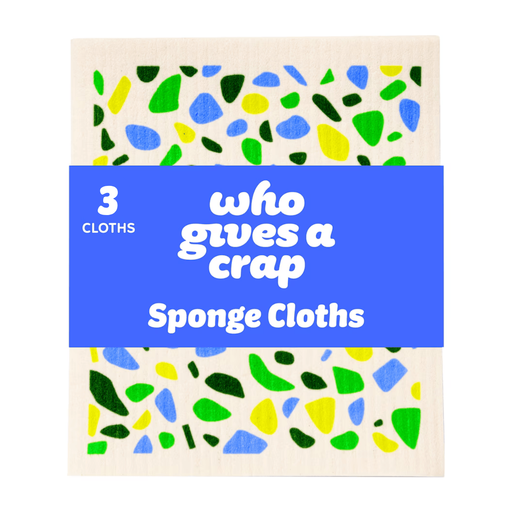
Why It Stands Out: This compostable sponge cloth is a workhorse in the kitchen. Made from a blend of 70% FSC-certified cellulose and 30% repurposed cotton, it’s designed for serious cleaning. Its most impressive feature is its absorbency; it can soak up 13 times its own weight in liquid, making it ideal for spills. The use of water-based, food-grade dyes also means you can use it on food-prep surfaces with confidence.
Pros:
Who is it for?: The household that needs a highly absorbent and robust cloth for everything from wiping down worktops to cleaning up after messy family meals.
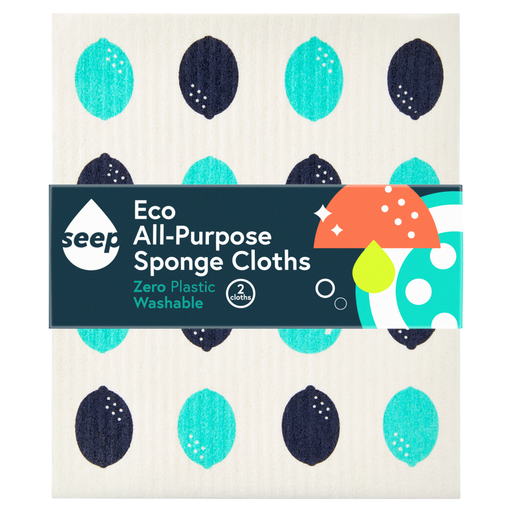
Why It Stands Out: If durability is your top priority, the Seep Sponge Cloth is a compelling choice. The brand states that a single cloth can replace up to 15 rolls of kitchen roll and can be washed up to 300 times. Made from sustainably sourced wood pulp, it is completely plastic-free and compostable. It strikes a great balance between being a tough cleaning tool and an environmentally responsible product.
Pros:
Who is it for?: The high-usage, eco-conscious consumer looking for maximum value and longevity from a single cloth.
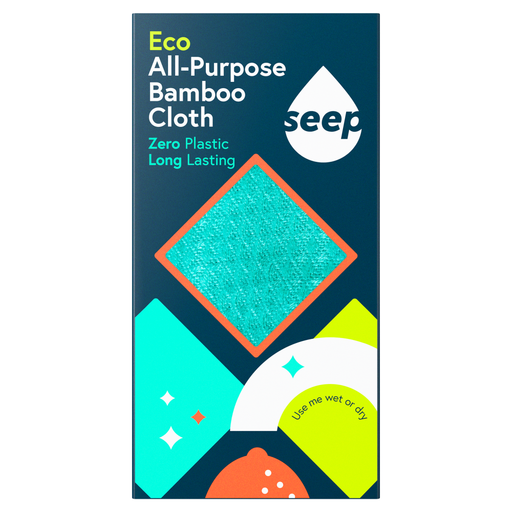
Why It Stands Out: For those who prefer a softer, more traditional cloth feel, this option from Seep is made from 100% bamboo viscose with zero polyester. It’s highly absorbent and works well for both wet and dry applications, making it a versatile tool for kitchens and bathrooms. Its soft texture is gentle on surfaces while still being effective on grime, offering a more tactile cleaning experience.
Pros:
Who is it for?: Individuals who want a multi-purpose cloth with a soft texture that is effective for general cleaning and polishing surfaces around the home.
These recommendations cover some of the most popular materials and uses, but every home has different needs. If you're looking for a different pack size, material or style, there are many more choices available.
Explore our complete collection of All Purpose Cleaning Cloths to find the perfect fit for your home.
Most cellulose or bamboo cloths can be cleaned in the top rack of a dishwasher or in a washing machine. For a deep clean, washing at a high temperature (check the product's specific guidelines, some allow up to 95°C) is effective. Always allow the cloth to dry completely between uses, as its quick-drying nature helps inhibit odour and bacteria growth.
Traditional plastic sponges have a porous structure that can trap moisture and food particles, creating a breeding ground for bacteria. Many reusable kitchen cloths, especially those made from cellulose, dry much faster and more rigidly. This quick-drying property, combined with the ability to be regularly sanitised in a dishwasher or washing machine, makes them a more hygienic option for daily use.
This depends on the material and your usage. A high-quality cloth can last anywhere from 9 to 12 months or for a specific number of washes (e.g., 50 to 300). You should replace your cloth when it starts to break down, develops a persistent odour even after washing or loses its absorbency. Once its life is over, a biodegradable dishcloth can be placed in your home compost.