
24/7 Customer Support

Free returns

Same-day & Next-day Delivery

Quality Guaranteed

Unlock Your Welcome Offers: FREE Delivery | Up to 80% OFF | Free 30-day JoyPlus trial
Download the APP
A well-chosen seasoning blend can be the secret to a flavourful, effortless meal. Whether you're short on time or exploring a new cuisine, the right mix of spices can transform simple ingredients. However, the supermarket aisle is crowded with options, and not all spice mixes are created equal. Many promise authentic flavour but deliver little more than salt and fillers.
As a Joybuy Product Recommendation Officer, my role is to help you navigate the market and find products that offer genuine value. Let's look at the common pitfalls to avoid when buying seasoning blends and what to look for to ensure you're getting a jar full of flavour, not just fluff.
To ensure you're bringing home a high-quality product, focus on these key parameters. They are far more telling than the marketing claims on the front of the jar.
In the UK, ingredients must be listed in order of weight. This is your most powerful tool for assessing a product's quality.
A quality blend demonstrates a commitment to a specific flavour profile. Instead of just "spices," a good label will be precise.
Some products, like the well-known Knorr Aromat or Maggi liquid seasoning, are designed around flavour enhancers such as monosodium glutamate (MSG) to deliver a powerful umami or savoury taste. There is nothing inherently wrong with this; they are formulated for a specific purpose. However, if you are buying a blend that claims to be a simple mix of natural herbs and spices, the presence of these enhancers might not be what you're looking for.
Based on these practical criteria, here are a few seasoning blends suited to different types of home cooks in the UK.
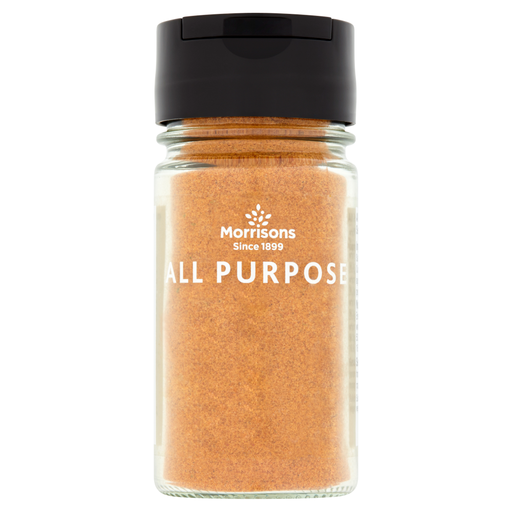
Why This Fits Their Persona: This is the quintessential kitchen workhorse for busy weeknight meals. It's designed to add a balanced, savoury flavour to almost anything—from chicken and fish to homemade burgers or roasted vegetables—without requiring any thought.
While salt is a key component, it's transparently positioned as an all-in-one seasoning, not a rare spice blend. The ingredient list is led by paprika, followed by maltodextrin and salt, clearly indicating its role as a convenient flavour base.
Extremely versatile for quick, flavourful meals. Suitable for vegetarians.
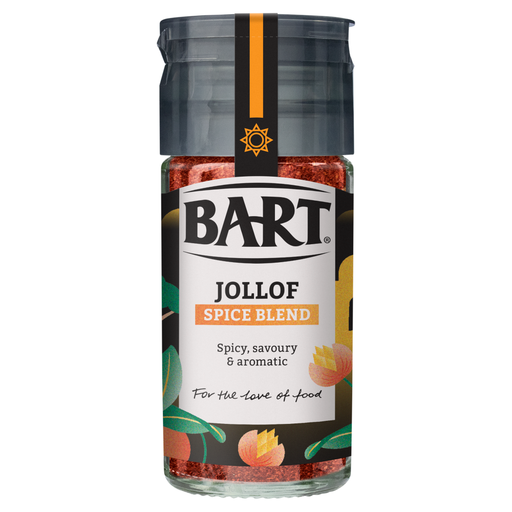
Why This Fits Their Persona: This cook wants to create specific, authentic dishes from scratch. A dedicated Jollof spice mix provides the complex, smoky and savoury base needed for the iconic West African rice dish, saving them from having to source over ten individual spices.
It avoids the "generic mix" trap by putting characteristic ingredients first. With Tomato Flakes as the primary ingredient, followed by salt, onion and garlic, it's clearly formulated for a rich, tomato-based dish rather than just being a salt-filler.
Provides a carefully balanced, authentic flavour base for Jollof rice. The blend includes smoked paprika, thyme and bay leaves for genuine depth.
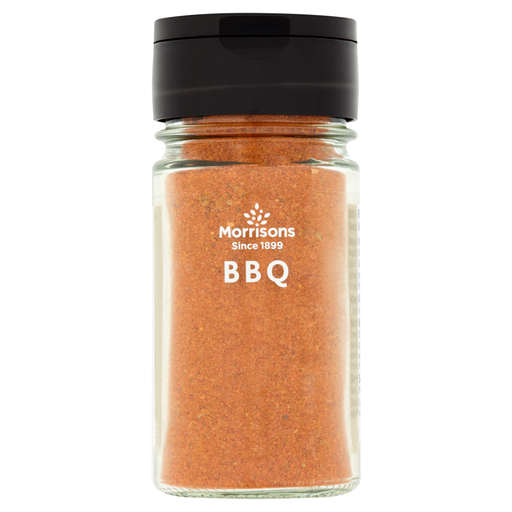
Why This Fits Their Persona: This user wants a reliable BBQ rub that delivers a classic sweet and smoky flavour for ribs, brisket or chicken. This blend is specifically designed for that purpose, helping to create a delicious crust when grilling or smoking.
It sidesteps the sugar trap by being honest about its purpose. Sugar is the first ingredient, but this is intentional and desirable in a BBQ rub to aid caramelisation. Crucially, it uses smoked paprika (15%) for authentic smokiness, not artificial "smoke flavouring".
Creates a classic sweet and smoky crust. Can be used as a dry rub or mixed with oil to form a wet marinade or glaze.
We have compiled a complete, real-time list of products that fully satisfy these strict selection criteria and UK safety regulations.
Most dry seasoning blends have a 'best before' date of one to three years. To maintain their potency, store them in a cool, dark and dry place like a pantry, away from the steam and heat of your cooker. Over time, they don't spoil in a harmful way, but they will lose their aroma and flavour. If your blend has lost its strong scent or has started to clump together, it's likely time for a replacement.
Absolutely. While a steak seasoning is blended to complement the rich flavour of beef, its core components—typically salt, black pepper, garlic and onion—are incredibly versatile. This savoury profile works wonderfully on grilled chicken, pork chops, roasted potatoes and even sprinkled over chips. The same goes for a good chip seasoning, which can add a savoury kick to roasted vegetables or chicken.
The terms are often used interchangeably, but there can be a subtle difference in application. A dry rub is typically applied more generously to the surface of meat before cooking, forming a flavourful crust. A seasoning might be used more sparingly, either during the cooking process or sprinkled on at the table. Many products, especially all purpose seasoning blends, are formulated to work well for both methods.