
24/7 Customer Support

Free returns

Same-day & Next-day Delivery

Quality Guaranteed

Unlock Your Welcome Offers: FREE Delivery | Up to 80% OFF | Free 30-day JoyPlus trial
Download the APP
Applying a daily facial sunscreen is one of the most effective steps you can take for your skin's long-term health. Yet, finding the right one can feel like a chore. Many of us have a drawer filled with half-used tubes that promised an invisible, lightweight feel but delivered a greasy film, a ghostly white cast or unexpected irritation.
Before you add another disappointing product to the collection, it's worth understanding the common purchasing pitfalls. Many shoppers are swayed by appealing marketing claims that don't hold up in daily use.
To make an informed choice, it helps to look past the front-of-bottle claims and understand a few core parameters. This ensures the product you choose provides genuine protection while suiting your lifestyle.
The SPF 50 rating primarily measures protection against UVB rays, the main cause of sunburn. However, for effective anti-ageing sun protection, you need to shield your skin from UVA rays as well. UVA rays penetrate deeper into the skin, contributing to fine lines, wrinkles and hyperpigmentation. A broad spectrum sunscreen protects against both. In the UK, look for the letters "UVA" in a circle or a star rating system on the packaging, which indicates it meets the EU standard for UVA protection.
The texture of a sunscreen is critical for ensuring you'll use it consistently. Modern formulations offer a wide range of finishes to suit different needs and skin types.
Based on these practical considerations, we've matched several products to specific user profiles to help you find a formula that fits your daily life.
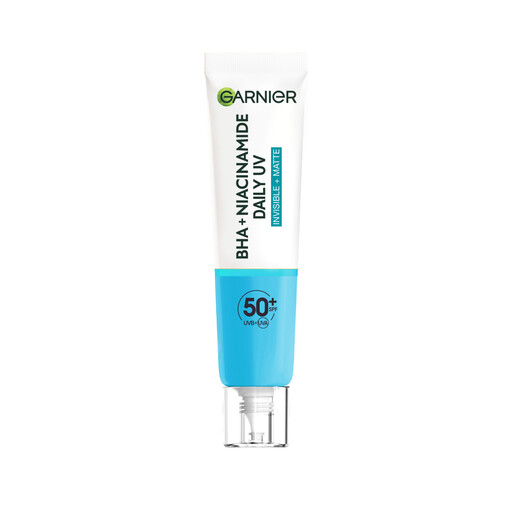
Why This Fits Their Persona: This user needs a reliable daily facial sunscreen that controls shine and won't feel heavy during a busy commute or in an office environment. It must sit well under makeup without causing congestion.
It directly counters the "non-greasy" pitfall with an ultra-light fluid texture designed to provide an all-day dry touch and matte finish, making it ideal for oily skin.
Contains BHA (Salicylic Acid) and Niacinamide to help manage imperfections and excess sebum. The formula is non-comedogenic and leaves an invisible finish on all skin tones.
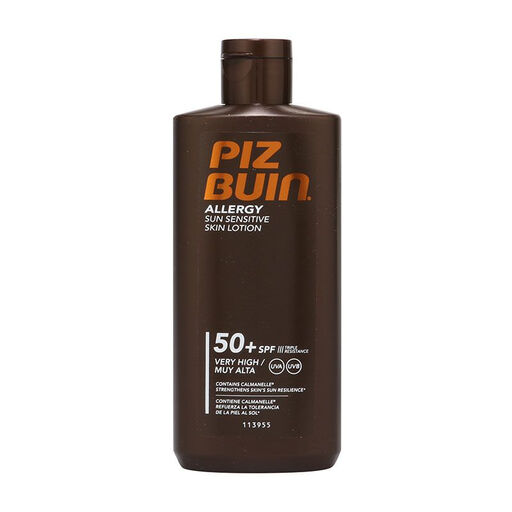
Why This Fits Their Persona: This individual has skin that reacts easily to sun exposure and certain ingredients. They need a high-protection, soothing formula that actively works to prevent irritation, blotchiness and prickly heat.
It tackles the "sensitive skin" ambiguity head-on. The formula was developed with dermatologists specifically for sun-intolerant skin and includes an anti-irritant shield complex to help strengthen the skin's resistance.
The formula is sweat and water-resistant, absorbs quickly without a greasy feel and provides hours of moisturisation to keep sensitive skin calm and comfortable.
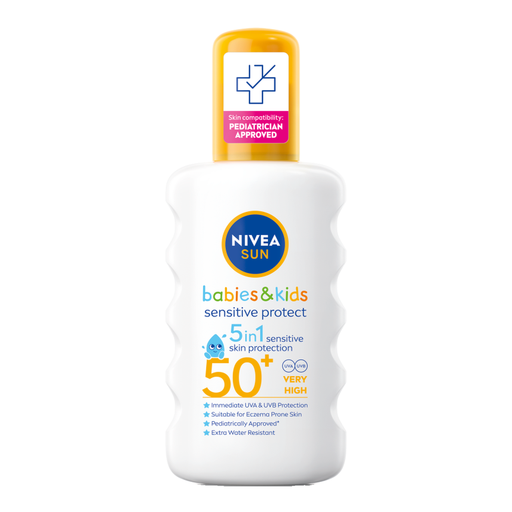
Why This Fits Their Persona: Parents need a reliable, high-protection sunblock for kids that is easy to apply on wriggly children, extra water-resistant for beach days and gentle enough for the most delicate skin, including those prone to eczema.
This product is specifically formulated for babies and children, avoiding the "one-size-fits-all" trap. It is fragrance-free and contains organic chamomile to soothe skin prone to sensitivity and eczema.
The pump spray design allows for quick and even application without direct spraying onto the face. Its extra water-resistant formula provides durable protection for active kids.
We have compiled a complete, real-time list of products that fully satisfy these strict selection criteria and UK safety regulations.
A common and practical guideline is the "two-finger rule." Squeeze a line of sunscreen onto your index and middle fingers from base to tip. This amount is generally considered sufficient to cover your face and neck adequately. Using an insufficient amount will significantly lower the level of protection.
While you can, it's often not ideal for daily use. Facial sunscreens are specifically formulated to be lighter in texture and non-comedogenic, meaning they are less likely to clog pores and cause breakouts. Body sunscreens can sometimes be thicker, greasier and may not sit as well under makeup.
Yes. UVA rays, which are responsible for premature skin ageing, can penetrate both clouds and window glass. Even on a typical overcast British day, or if you sit near a window at home or in the office, your skin is still exposed. Making a daily facial sunscreen part of your morning routine is a good habit for year-round protection.