
24/7 Customer Support

Free returns

Same-day & Next-day Delivery

Quality Guaranteed

Unlock Your Welcome Offers: FREE Delivery | Up to 80% OFF | Free 30-day JoyPlus trial
Download the APP
Navigating the world of baking flour online can feel more complicated than it should. With countless options available, it's easy to end up with a flour that doesn't quite work for your recipe, leading to flat cakes and dense bread. As a Joybuy Product Recommendation Officer, my role is to help you sidestep common purchasing mistakes and find the right flour for your kitchen pantry.
Many home bakers fall into a few simple traps. First is the belief that any "plain flour" will do for any recipe, which often results in disappointment. Second is the temptation of a large bulk-buy, which seems economical but can lead to waste if the flour isn't used quickly or stored correctly. Finally, many shoppers overlook the importance of speciality flours, grabbing a familiar bag without considering if their recipe truly needs a high-protein bread flour or a gluten-free alternative. Let's break down what really matters.
Before you click 'add to basket', it's worth understanding a couple of key factors that determine your baking success. Getting these right is more important than brand names or fancy packaging.
The single most important factor in a flour's performance is its protein content. This figure, usually listed in the nutritional information per 100g, dictates how much gluten can be formed.
flour for bread making.This is a frequent point of confusion. The difference is simple but crucial for your recipe's outcome.
self raising flour when plain is called for (or vice-versa) will ruin the result.plain flour to create a homemade cake flour substitute for a lighter texture.To help you choose, we've matched some reliable flour options to common baking needs. These selections are based on their specifications and suitability for specific tasks, helping you avoid the common pitfalls.
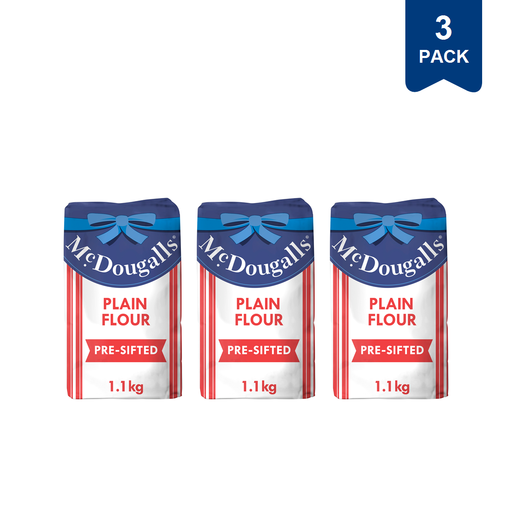
Why This Fits Their Persona: For those who bake regularly for the family, a reliable and versatile plain flour is essential. This multi-pack from a trusted UK brand like McDougalls flour provides good value and ensures you always have a bag on hand for everything from Sunday morning pancakes to thickening a midweek gravy.
This is a classic plain flour, not a vague "all-purpose" blend, so you know what you're getting. The 3-pack format is a sensible approach to buying bulk flour UK-style, offering savings without the storage risk of one enormous sack.
It's pre-sifted for convenience, helping to achieve lighter bakes with less effort. Its versatility makes it a true pantry staple for cakes, sauces and pastries.

Why This Fits Their Persona: If you're dedicated to the craft of making crusty loaves, sourdough or pizza bases at home, you need a flour that can deliver a superior rise and chew. This flour from Allinson's bread flour range is specifically designed for that purpose.
This directly counters the "all-purpose" myth. It is a specialist strong bread flour with a high protein content (14g per 100g) that plain flour cannot match for bread-making performance.
Milled from selected Canadian wheats, known for their high protein levels, this flour provides a reliable and excellent rise for all yeast-leavened doughs. The 1kg bag is a practical size for home use.
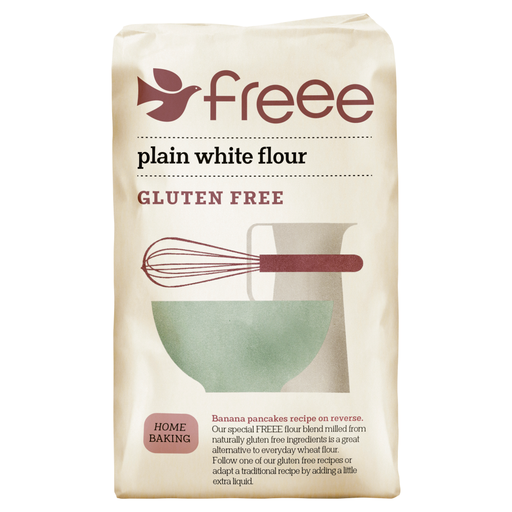
Why This Fits Their Persona: For individuals with coeliac disease, gluten sensitivity or those simply choosing to reduce gluten, finding a reliable flour substitute is paramount. This blend from Doves Farm flour is specifically formulated to work in place of standard wheat flour in many recipes.
This product directly addresses the pitfall of overlooking speciality needs. It is a purpose-built gluten free flour, ensuring those with dietary requirements can bake with confidence, rather than trying to make an unsuitable flour work.
It's a carefully balanced blend of rice, potato, tapioca, maize and buckwheat flours. This formulation is designed to mimic the properties of standard plain flour, making it a versatile choice for gluten-free baking.
We have compiled a complete, real-time list of products that fully satisfy these strict selection criteria and UK safety regulations.
Plain flour is simply 100% milled wheat with no additives. You must add your own leavening (like baking powder) to make it rise. Self-raising flour is plain flour with raising agents already blended in, offering convenience for recipes like scones and sponges. They are not interchangeable.
To maximise freshness and prevent pests, flour should be stored in a cool, dry place. After opening the paper bag, it's a good idea to transfer the flour to an airtight container. This protects it from moisture, odours and insects, and is especially important if you decide to buy flour online in larger quantities.
While you technically can, it's not recommended. The high protein content in bread flour will develop too much gluten, resulting in a tough, chewy cake rather than a light and tender one. It's always advisable to use the type of flour specified in your recipe for the intended texture.