
24/7 Customer Support

Free returns

Same-day & Next-day Delivery

Quality Guaranteed

Unlock Your Welcome Offers: FREE Delivery | Up to 80% OFF | Free 30-day JoyPlus trial
Download the APP
As a Joybuy Product Recommendation Officer, my role is to help you navigate the crowded online marketplace. The rising popularity of Korean cuisine in the UK has led to an explosion of products labelled "kimchi," but not all are created equal. From tangy, fermented cabbage to spicy snacks, understanding the options is key to finding what you truly want. This guide will help you sidestep common purchasing mistakes and choose the right kimchi product for your kitchen.
Before adding to your basket, be aware of a few frequent issues that can lead to disappointment:
To make an informed choice, focus on these three core factors. They will tell you more about the product than the marketing on the front of the jar.
The most significant distinction is between fermented and unfermented kimchi.
While napa cabbage is the most common base, the world of kimchi is diverse.
Kimchi is no longer just a side dish. When you buy kimchi online, you'll find it in many forms:
To help you choose, we've matched some popular options to different needs and preferences.
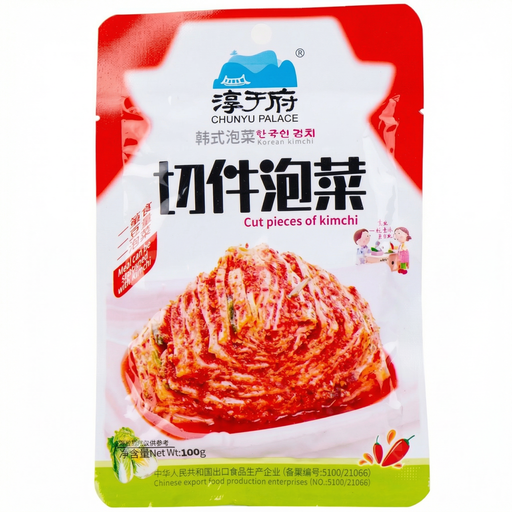
Why This Fits Their Persona: Perfect for someone in the UK wanting to try authentic kimchi without committing to a large jar. This single-serving pouch is ideal for adding to a bowl of rice or noodles to see if you enjoy the flavour.
This product directly solves the "storage mismatch" pitfall. The 100g ready-to-eat portion means no waste or worries about a large jar going bad in the fridge.
It's a fully fermented, ready-to-eat product offering a genuine tangy and crunchy texture. The pre-cut format adds to its convenience.
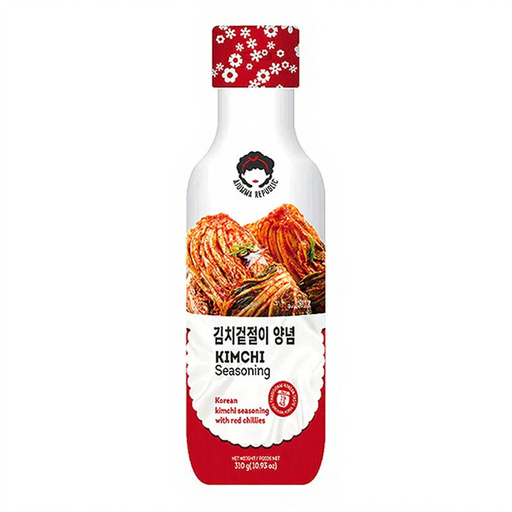
Why This Fits Their Persona: For the home cook who loves fresh flavours and versatility. This kimchi sauce is a shortcut to making fresh kimchi (Geotjeori) with any vegetable, or for adding a spicy kick to sandwiches, dips and marinades.
It sidesteps the "Korean-style" trap by being transparent. It's not pretending to be fermented kimchi; it's a sauce designed for making fresh, crunchy side dishes quickly.
Extremely versatile and ready-to-use. It provides an authentic balance of spicy, salty and umami flavours for instant results. The ingredient list clearly states it contains fish and shrimp.
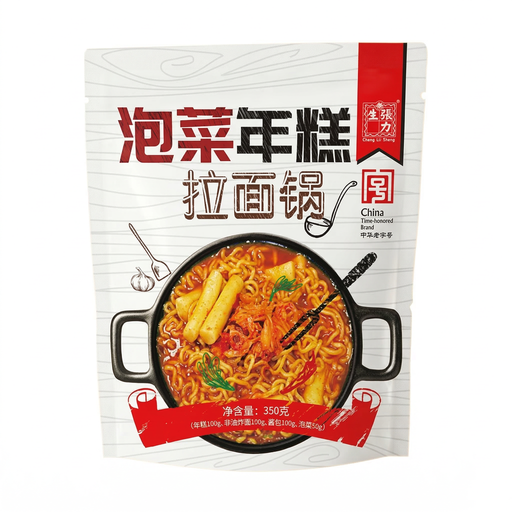
Why This Fits Their Persona: An ideal one-pot meal for students or busy professionals. It combines chewy ramen, soft rice cakes (tteokbokki) and a spicy kimchi broth for a satisfying and substantial meal that's ready in minutes.
This all-in-one kit provides an authentic flavour experience without needing to buy multiple separate ingredients. It delivers the complex taste of a kimchi-based dish without any guesswork.
Extremely convenient with multi-layered textures from the noodles, rice cakes and dehydrated kimchi. It's a complete, single-serving meal.
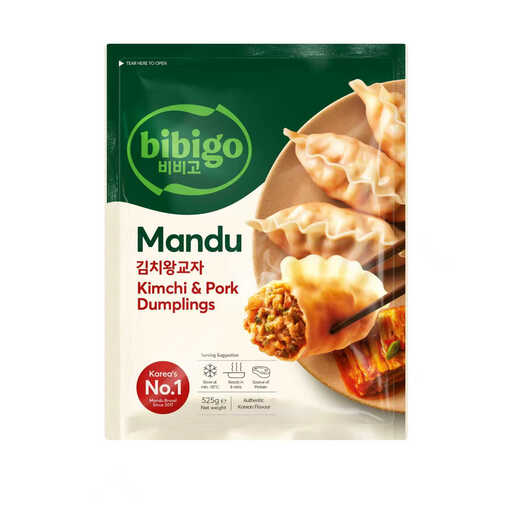
Why This Fits Their Persona: For those who love classic Korean comfort food. These kimchi dumplings (mandu) are generously filled with spicy kimchi and pork, offering a rich and savoury flavour that's perfect steamed or pan-fried.
This product delivers an authentic, multi-dimensional flavour, avoiding the "one-note spicy" trap. The combination of fermented kimchi, pork and tofu creates a balanced and satisfying filling.
These are large dumplings with a generous amount of filling. They are quick to prepare from frozen (around 8 minutes) and are made by a well-regarded Korean food brand.
We have compiled a complete, real-time list of products that fully satisfy these strict selection criteria and UK safety regulations.
Refrigerated kimchi is typically a "live" product, meaning the fermentation process is ongoing. This gives it a fresher, crunchier texture and a flavour that will become more sour over time. It must be kept cold. Shelf-stable kimchi has been heat-treated (pasteurised) to stop fermentation, allowing it to be stored in a pantry. This makes it very convenient, but the texture may be slightly softer than its refrigerated counterpart.
Always check the full ingredient list. The key non-vegan ingredients to look for are fish sauce (often listed as anchovy extract), shrimp paste (or saeujeot) and sometimes other seafood. A vegan kimchi will typically use soy sauce, miso paste or kelp broth to create a savoury, umami flavour instead. Do not rely on the front label alone.
For refrigerated, fermented kimchi, it can last for several months if stored properly. Ensure you always use a clean utensil to take it out and press the remaining kimchi down below the level of the brine to prevent it from drying out. The flavour will continue to develop and become more sour, which many people enjoy. For shelf-stable or pasteurised kimchi, refer to the packaging, but it's generally advisable to consume it within a week or two after opening.