
24/7 Customer Support

Free returns

Same-day & Next-day Delivery

Quality Guaranteed

Unlock Your Welcome Offers: FREE Delivery | Up to 80% OFF | Free 30-day JoyPlus trial
Download the APP
For many in the UK, the morning ritual of brewing a rich, aromatic coffee is non-negotiable. The cafetière, or French press coffee maker, remains a popular choice for its ability to produce a full-bodied brew that electric machines often struggle to replicate. However, the market is flooded with options, and it's easy to fall for common design flaws that lead to disappointment and a wasted purchase.
As a Joybuy Product Recommendation Officer, my role is to help you navigate the choices and identify the key features that genuinely matter. Here, we’ll break down the common pitfalls to avoid and the essential criteria to look for, ensuring your next manual coffee brewer is a lasting and satisfying investment.
A poorly chosen cafetière can turn a delightful coffee ritual into a daily frustration. Before you buy, be aware of these frequent issues that are often overlooked in marketing descriptions.
To avoid the pitfalls above, focus on these three non-negotiable features. They are the true indicators of a quality, long-lasting French press coffee maker.
The material of the carafe is paramount. Always look for borosilicate glass. This type of glass coffee press is engineered to withstand extreme thermal shock, meaning it won't crack when you pour hot water into it. It's also non-porous, so it won’t absorb flavours or odours, ensuring a pure taste every time. While stainless steel models exist, a glass carafe allows you to visually monitor the brewing process.
A high-quality plunger system is the heart of a good cafetière. Look for a multi-part filter that typically includes a steel plate, a fine mesh screen and a spring-loaded base that presses the mesh firmly against the inside wall of the carafe. The plunger rod should be made of sturdy stainless steel that resists bending under pressure. This robust construction is what keeps coffee grounds at the bottom of the pot where they belong.
Cafetière sizes can be misleading. A 3 cup cafetière is generally intended for a single user, yielding about 350ml, which is roughly one standard British mug of coffee. An 8 cup cafetière typically has a 1-litre capacity, suitable for serving three to four people. It's important to note that manufacturers measure a "cup" in European terms, which is around 120ml (4oz). Always check the capacity in millilitres (ml) or litres (L) to match your actual needs, whether it's for a solo morning brew or for entertaining guests. This same logic applies when selecting a tea press.
Based on these practical criteria, here are a few options matched to different user needs.
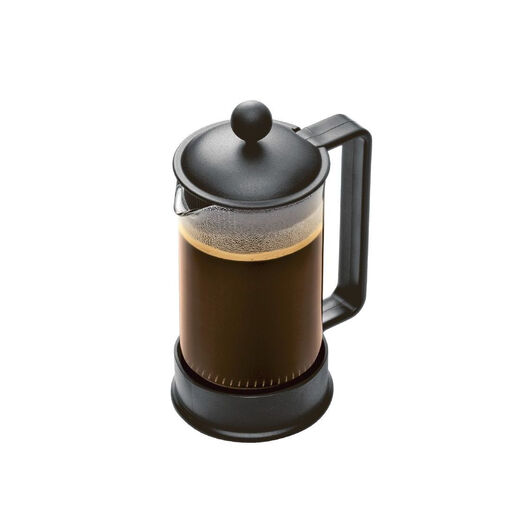
Why This Fits Their Persona: This is an ideal entry point into the world of French press coffee. Its 350ml capacity is perfect for a single, generous mug, making it a practical choice for daily individual use without waste. The lightweight plastic frame makes it easy to handle and clean.
It features a borosilicate glass carafe, avoiding the 'fragile glass' trap. The Bodum stainless steel filter system is effective at minimising sediment, tackling the 'gritty coffee' problem head-on.
A highly functional and affordable sustainable coffee maker with no paper filters needed. Its components are dishwasher safe for easy maintenance.
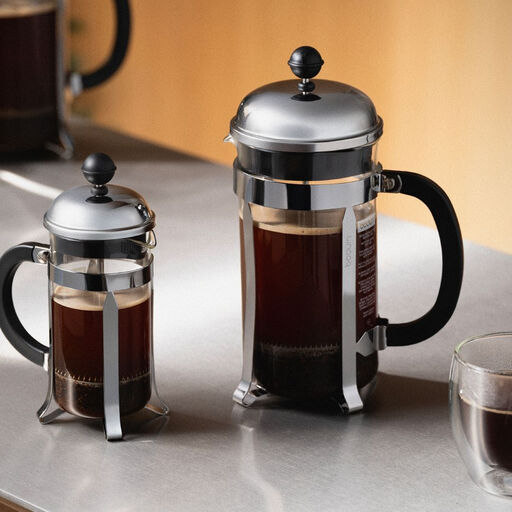
Why This Fits Their Persona: For those who appreciate classic design and frequently host guests, the iconic Bodum cafetière Chambord is a standout. Its 1-litre capacity is ideal for serving multiple people, and its timeless aesthetic makes it a stylish addition to any breakfast table or after-dinner coffee service.
It directly counters the 'wobbly frame' hazard with a durable, chrome-plated stainless steel frame that provides excellent protection and stability for the borosilicate glass carafe.
Combines iconic, proven design with high-quality materials. The polypropylene handle provides a comfortable, cool grip for safe pouring.
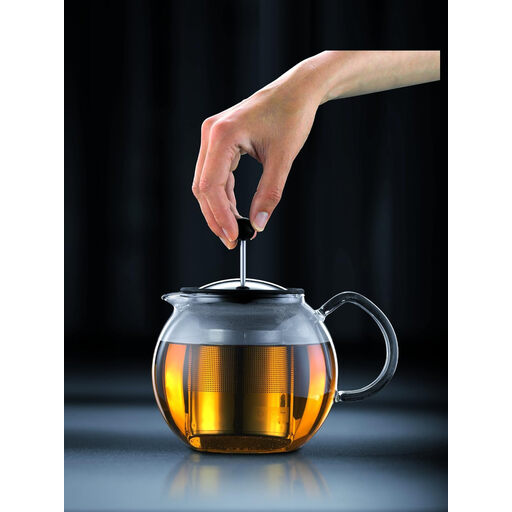
Why This Fits Their Persona: For those who prefer loose-leaf tea, this tea press offers superior control. The clear glass pot allows you to see the tea infusing, while the plunger system is designed specifically to stop the brewing process, preventing the bitterness that can occur with over-steeping.
It avoids the 'one-size-fits-all' trap by being a purpose-built tea brewer. The silicone-rimmed plunger effectively seals tea leaves at the bottom of the infuser, a feature not found on standard coffee presses.
The patented plunger system gives you precise control over brewing strength. Its large 1.5L capacity is excellent for serving multiple guests or for making a large batch of iced tea.
We have compiled a complete, real-time list of products that fully satisfy these strict selection criteria and UK safety regulations.
The key lies in two areas: grind size and technique. Always use a coarse grind for a cafetière; fine grounds suitable for espresso will pass through the mesh filter. When you are ready to pour, press the plunger down slowly and steadily. Pushing too fast can force water around the filter, agitating the grounds and carrying sediment into your cup.
Many modern cafetières that use borosilicate glass are listed as dishwasher safe. However, it is always best to check the manufacturer's specific instructions. To preserve the finish on metal frames and ensure the longevity of the glass, hand washing with warm, soapy water is often a good practice. Always disassemble the plunger and filter unit to clean it thoroughly.
While they operate on a similar principle, there is a key design difference. A dedicated tea press, like the Bodum ASSAM, often features a plunger with a silicone rim. This creates a seal inside the infuser basket, trapping the tea leaves and completely stopping the infusion process once pressed. This is crucial for preventing delicate teas from becoming bitter, offering a level of control that a standard coffee press filter may not provide.