
24/7 全天候客户支持

免费退货

当日/次日达

品质保障

开启新人专享福利: 全场免邮 | 低至 2 折 | 免费试用 30 天 JoyPlus 会员
下载 Joybuy
Buying children’s toys can look straightforward until you compare age labels, materials, dimensions, accessories and safety warnings. A brightly packaged toy may not suit your child’s stage of development, while a large play product may be difficult to fit into a typical UK home.
This guide explains the main buying pitfalls, the specifications worth checking and our top recommendations for different households, from babies and toddlers to older children and gift buyers.
Age guidance is not simply a marketing category. It can indicate the complexity of the activity, the size of components and potential choking risks. A toy containing small parts may be unsuitable for children under three, even if an older sibling can use it safely.
Always match the product’s stated age range with the child who will actually use it. Also consider whether younger children may have access to the toy during shared play.
Children’s outdoor playhouses, soft play equipment for toddlers and large toy vehicles can occupy more room than their product photographs suggest. Check both the packaged and assembled dimensions, along with door access, storage space and whether the product is intended for indoor or outdoor use.
For smaller homes, compact pretend play toys, sensory baby toys and portable activity sets may provide more practical everyday use.
Educational toys can support activities such as sorting, building, storytelling or sensory exploration, but the play value depends on the child’s interests and ability. A toy with numerous accessories may be ignored if it is too complicated, while a simple creative product may be used repeatedly.
Look for a clear connection between the toy and the child’s preferred activities, such as imaginative play toys for storytelling, modelling compounds for creative work or toy vehicles for movement-based play.
Read the product warning rather than relying only on the shop category. For example:
Age guidance should be treated as a minimum requirement, not a measure of a child’s individual readiness.
For toys used frequently or by babies, consider whether the surface can be cleaned easily. Fabric activity toys may need gentle wiping, while soft play blocks commonly use wipeable covers.
For structured play equipment, check the stated load limit, stability instructions and intended location. The HOMCOM soft play sets listed here specify EN71-1-2-3 standards. EN71 covers important toy safety areas, including mechanical and physical properties, flammability and certain chemical elements. It is still important to follow the supplied instructions and warnings.
When shopping in the UK, look for the appropriate conformity marking and manufacturer information. A safety marking does not remove the need for supervision or regular inspection.
Measure the available area before ordering. Check whether the product needs adult assembly, batteries, water, modelling compound or additional accessories.
Useful questions include:
These checks are particularly useful when comparing soft play equipment for toddlers, children’s outdoor playhouses and larger creative playsets.
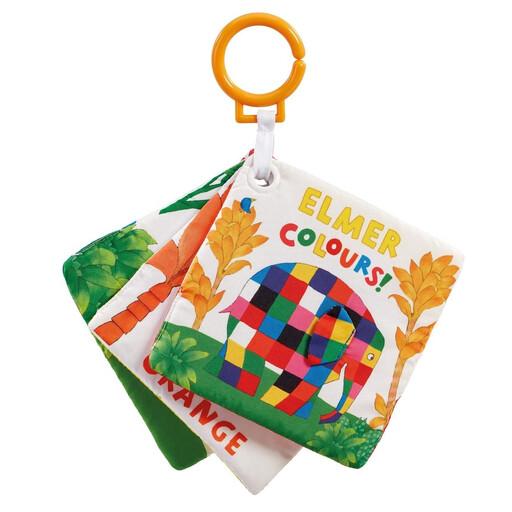
Why This Fits Their Persona: A compact choice for parents and grandparents buying an early sensory gift that can travel between home, the pram and the car seat.
Its stated 0+ months suitability and soft fabric format make the intended use clearer than a toy with an overly broad age range. The clip ring supports portable use.
Textured patches, crinkle sounds, a hidden squeaker and bright illustrations offer several simple sensory activities in one lightweight book.
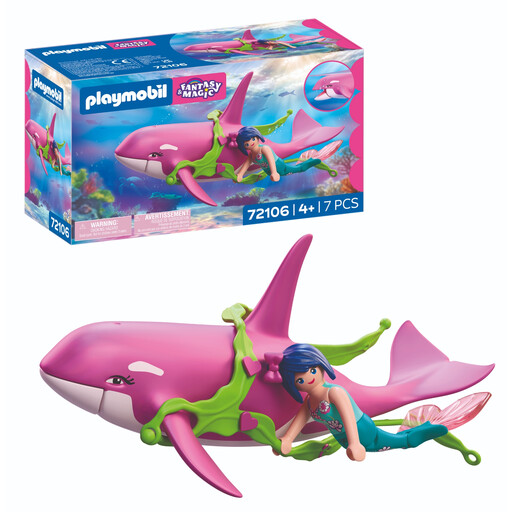
Why This Fits Their Persona: Suitable for a child who enjoys detailed pretend play and water-based storytelling, with a set that can be used in or out of water.
The listing clearly states a 4+ age suitability and small-parts warning, helping buyers avoid giving a detailed construction set to a younger child.
The orca floats in flat or upright positions, while the mermaid, seaweed handle and decorative pins create multiple play scenarios.
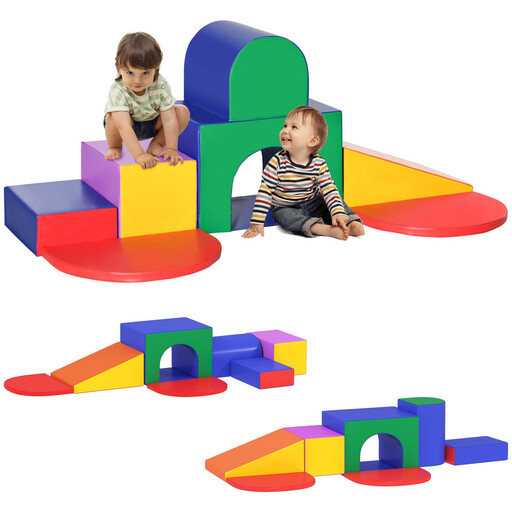
Why This Fits Their Persona: A practical match for families creating an indoor movement area for toddlers aged 12–36 months, particularly in flats or during wet UK weather.
The product gives a recommended age, maximum load of 60 kg, cleaning method and indoor-use guidance, so buyers can assess whether their space is suitable.
Seven EPE foam blocks can be stacked into climbing and crawling routes. Touch fasteners help connect pieces, and surfaces can be wiped with a damp cloth.
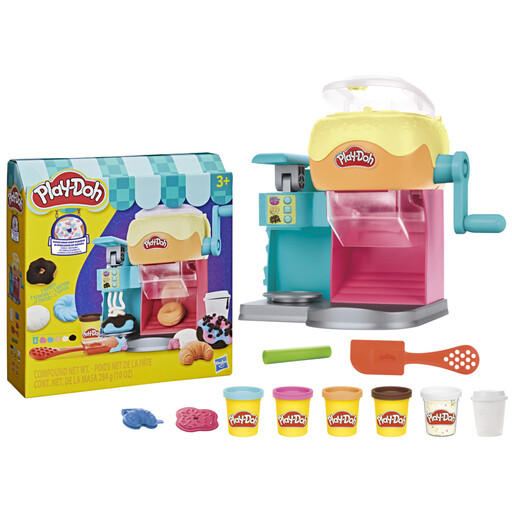
Why This Fits Their Persona: Well suited to children who enjoy making, decorating and role-playing, with enough components for an adult and child to create together.
The set specifies 3+ suitability, adult assembly and direct supervision. It also states that the compound contains wheat and is not intended to be eaten.
The built-in doughnut mould, icing machine, frosting stamper and croissant mould support open-ended pretend bakery play.
For additional options, browse PLAYMOBIL sets featuring mermaids, knights, space missions and off-road adventures. Toy vehicles and city play mats may suit children who prefer movement and scenario-building, while children’s board games can encourage shared play with family members.
For older teenagers, gaming consoles require a separate check of game ratings, online access, accessories and running costs. Always distinguish a product’s recommended age from the age of the person buying it.
For babies, consider soft sensory baby toys with age-appropriate textures and secure construction. Toddlers may enjoy stacking toys, soft play equipment and simple pretend play toys. From around three or four, creative sets, toy vehicles, construction products and imaginative play toys become options, provided the product’s warning and age range are followed.
Lifespan depends on materials, frequency of use, storage and cleaning. Inspect fabric, seams, fasteners, foam surfaces and small accessories regularly. Stop using a toy if a part becomes loose, damaged or sharp. Store modelling compounds sealed and keep electronic products dry and ventilated.