
24/7 全天候客户支持

免费退货

当日/次日达

品质保障

开启新人专享福利: 全场免邮 | 低至 2 折 | 免费试用 30 天 JoyPlus 会员
下载 Joybuy
Traditional protein shakes are not suitable for everyone. Some gym-goers dislike thick, milky textures, while others want a high protein low calorie supplement that fits a calorie-controlled diet. A clear protein drink can offer a lighter, fruit-style alternative, but product labels and marketing language require careful checking.
The right choice depends on more than flavour. Protein quantity, carbohydrate and sugar levels, dairy suitability, format and serving instructions all affect whether a product fits your routine.
A large number on the front of a tub may refer to protein per 100g rather than per scoop. This makes direct comparisons difficult because serving sizes vary. Always compare:
For example, one clear whey protein powder may provide around 21g of protein from a 25g serving, while another delivers 25g from 30g. Both figures can be useful, but they should not be compared without checking the serving size.
Many clear whey products are made from whey protein isolate or hydrolysed whey protein, which still comes from milk. They may have a juice-like appearance after mixing, but they are not automatically suitable for people avoiding milk.
If you need a lactose-free protein powder or dairy-free alternative, check the allergen statement and ingredient list. Beef protein isolate can be a more suitable option for some consumers, although the packaging should still be checked for manufacturing-site allergen information.
A product described as low sugar may still contain a small amount of sugar. Conversely, a sugar-free protein powder may use sweeteners such as sucralose or acesulfame K. Neither description tells you whether the flavour or aftertaste will suit you.
Check the nutrition panel, particularly:
Clear whey protein is usually made with whey isolate or hydrolysed whey protein. It provides a refreshing, non-creamy texture and is generally mixed with cold water. Look for a clearly stated protein figure per serving rather than relying on phrases such as “high protein”.
Beef protein isolate is another option. It can provide a clear, fruit-flavoured drink without milk ingredients and may suit people who prefer a dairy-free protein format. However, protein sources differ in taste, texture and amino acid profile, so the ingredient list remains important.
For users managing calorie intake, compare the full nutrition panel rather than looking only at the product’s front label. A powder providing approximately 90–112 calories per serving can be practical for a post-workout drink or snack, but preparation with milk, juice or additional ingredients will increase the total.
A product with approximately 0–1g of sugar and around 1g of carbohydrate per serving may fit low-sugar routines. These figures should always be checked against the current pack label, as formulations can change.
Powders are usually more economical per serving and allow you to control the amount of water used. They are useful for home, work or gym bags, although they require a shaker and a short mixing period.
A ready-to-drink protein drink is more convenient when travelling, commuting or leaving the gym. Bottles may cost more per serving and require suitable storage. Once opened, follow the manufacturer’s refrigeration and consumption instructions.
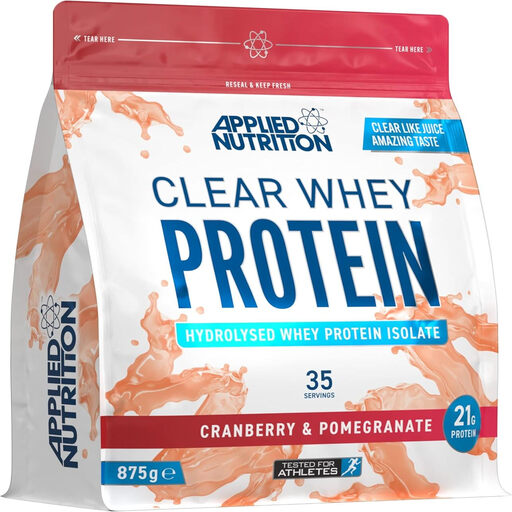
Why This Fits Their Persona: The 875g tub provides a practical powder format for adults starting a regular gym or home-training routine and wanting a fruit juice-style drink.
The nutrition panel states 21.27g protein, 90 calories, 1.01g carbohydrate and 0.24g sugar per 25g serving, making the serving information easy to compare.
Provides 4.87g BCAAs per serving and mixes with 300–400ml of cold water. It contains milk and is Halal certified.
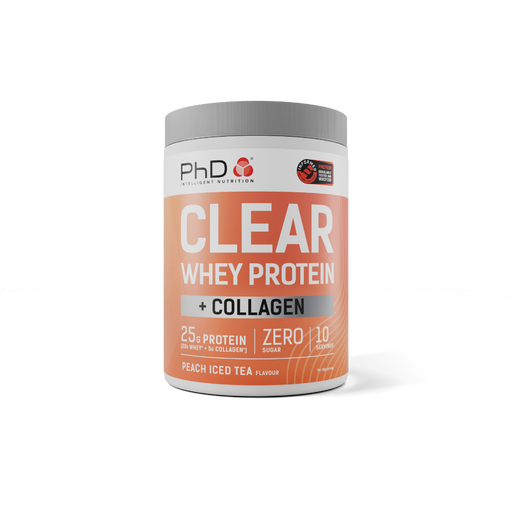
Why This Fits Their Persona: This smaller tub suits shoppers who want a clear whey protein powder with additional collagen and vitamin C rather than a straightforward whey-only formula.
The label lists 25g protein, 105 calories and 0g sugar per 30g serving, rather than leaving the nutritional comparison to broad marketing language.
Includes 5g bovine collagen hydrolysate and 100mg vitamin C per serving. It contains milk, so it is not suitable for dairy-free shoppers.
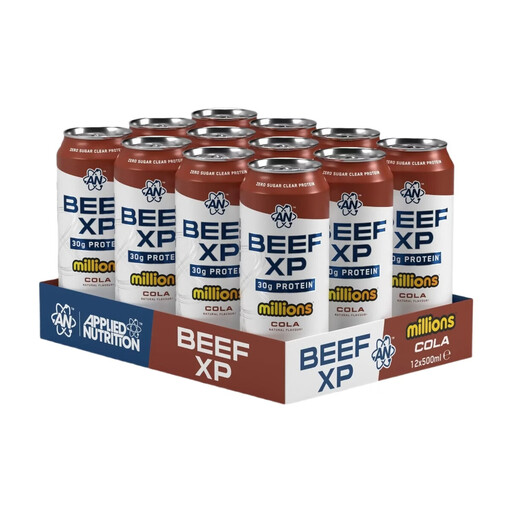
Why This Fits Their Persona: A 12-bottle case suits frequent gym-goers, commuters and athletes who prefer a chilled protein drink without carrying a shaker or powder tub.
Each 500ml bottle states 30g protein, 136 calories, 1g carbohydrate and 0.3g sugar, so the ready-to-drink format remains straightforward to track.
Uses beef protein isolate and provides a cold, portable format. Refrigerate after opening and consume within 24 hours; check the label for current allergen information.
For a conventional post-workout protein supplement, clear whey offers a familiar milk-derived protein source in a lighter texture. A collagen-enhanced formula adds bovine collagen hydrolysate, but it should not automatically be treated as a replacement for a standard protein product.
Beef protein isolate may suit shoppers looking for a lactose-free protein powder or dairy-free alternative. Powdered beef products generally offer better storage flexibility, while bottled beef drinks prioritise convenience. If you follow a Halal diet, check for the relevant certification on the individual product.
Follow the stated serving instructions, use cold water where recommended and avoid exceeding the suggested daily intake. Supplements should complement a varied, balanced diet rather than replace meals. People who are pregnant, breastfeeding, under 18, taking medication or managing a medical condition should seek appropriate medical advice before use.
We have compiled a complete, real-time list of products that fully satisfy these strict selection criteria and UK safety regulations.
Not necessarily. Clear whey is usually made from milk-derived whey isolate, so check the allergen statement before purchasing. Beef protein isolate may be a more suitable dairy-free option, but always review the full label.
Unopened powder should normally be stored in a cool, dry place with the lid sealed. A ready-to-drink protein drink may be stored according to its packaging instructions and should generally be refrigerated after opening. Follow the product label rather than assuming all formats have identical storage requirements.
It can be, but this depends on the formula and what you mix it with. Compare calories, protein, sugar and carbohydrate per prepared serving. Using water usually keeps the drink close to the stated nutrition values, while milk or juice adds calories and carbohydrates.