
24/7 Customer Support

Free returns

Same-day & Next-day Delivery

Quality Guaranteed

Unlock Your Welcome Offers: FREE Delivery | Up to 80% OFF | Free 30-day JoyPlus trial
Download the APP
Choosing a face moisturiser should be straightforward, yet crowded shelves and persuasive claims can make it difficult to know what you are actually paying for. A lightweight gel may feel pleasant but fail to relieve tightness, while a rich cream can leave blemish-prone skin feeling congested. SPF claims may also create a false sense of security if the product is not applied generously or does not provide the level of protection required for extended outdoor exposure.
As the Joybuy Product Recommendation Officer, I focus on practical product details rather than promotional language. These are the main buying traps to avoid before selecting a facial moisturiser.
“Lightweight” does not automatically mean suitable for oily skin, and “rich” does not always mean more hydrating. Hydration depends on the formula’s balance of:
For dehydrated or dry skin, a formula containing all three categories may feel more comfortable. For combination or blemish-prone skin, a facial moisturiser with a lighter finish may be easier to use consistently.
A product containing many extracts or fashionable ingredients is not automatically more suitable. Check the first several ingredients, as these generally make up much of the formula. If your priority is hydration, look for ingredients such as glycerin, panthenol, squalane or hyaluronic acid near the top of the list.
If you are considering a niacinamide moisturiser, check whether the product states a concentration and whether the rest of the formula suits your skin. Those prone to sensitivity should also look for fragrance and essential oils, particularly if their skin already feels irritated.
A day cream with SPF can be convenient for everyday routines, but SPF15 or SPF20 may not be enough for prolonged direct sunlight. Look for clearly stated broad-spectrum or UVA protection and follow the product’s application guidance. For outdoor activities, use a dedicated sunscreen with suitable UVA and UVB protection and reapply as directed.
Match the active ingredient to your main concern rather than trying to address everything at once.
Those looking for a moisturiser for sensitive skin should prioritise fragrance-free formulas where possible and avoid introducing several new actives at once. “Dermatologist tested” or “hypoallergenic” should not be interpreted as a guarantee that irritation is impossible. Always read the current packaging and ingredient list, particularly if you have known allergies.
A day cream is generally lighter and may include SPF, while a night cream is often richer and designed to reduce overnight moisture loss. However, these labels are not strict technical categories. A night cream can be used whenever its texture suits you, and a daytime moisturiser without SPF should be followed by sunscreen when needed.
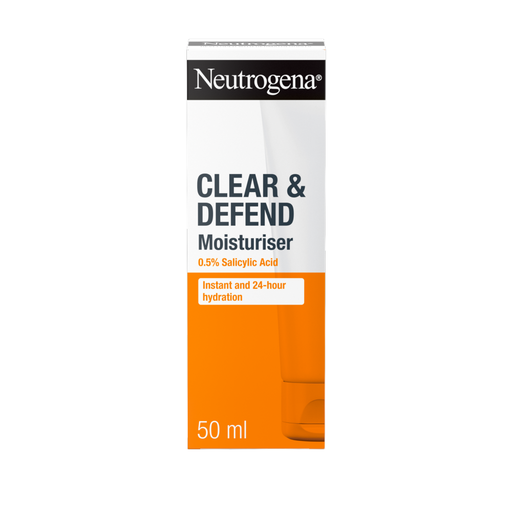
Why This Fits Their Persona: A practical option for adults wanting one daily moisturiser for hydration and spot-prone skin without an elaborate routine.
Its 0.5% salicylic acid content and oil-free formula are clearly stated, avoiding vague “clear skin” wording without ingredient detail.
Lightweight, oil-free texture; contains glycerin, aloe vera and chamomile; intended for daily morning and evening use.
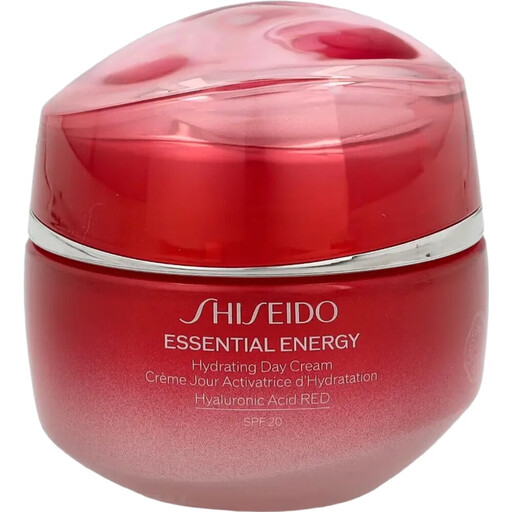
Why This Fits Their Persona: Suits shoppers who prefer a dedicated daytime cream with a lightweight finish and built-in SPF for routine city use.
The SPF level is specified as SPF20, so buyers can distinguish mild daily protection from a dedicated sunscreen for extended exposure.
Lightweight, quick-absorbing texture; includes glycerin, sodium hyaluronate and SPF20 filters.
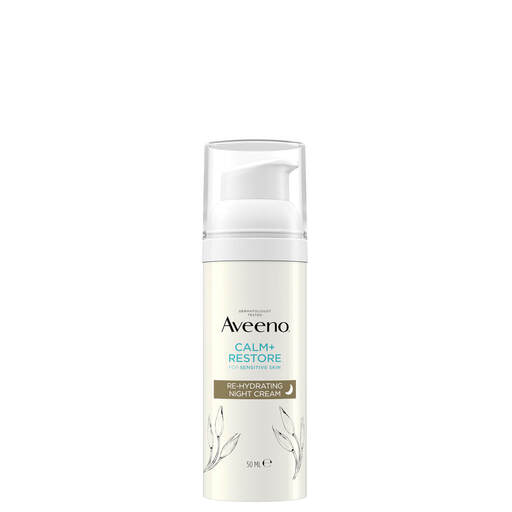
Why This Fits Their Persona: Designed for normal-to-dry sensitive skin, particularly for UK homes where indoor heating can leave the face feeling dry overnight.
It is fragrance-free and non-comedogenic, with a stated focus on moisture-barrier care rather than relying only on a rich texture.
Contains prebiotic oat, shea butter and feverfew; rich but fast-absorbing night cream texture.
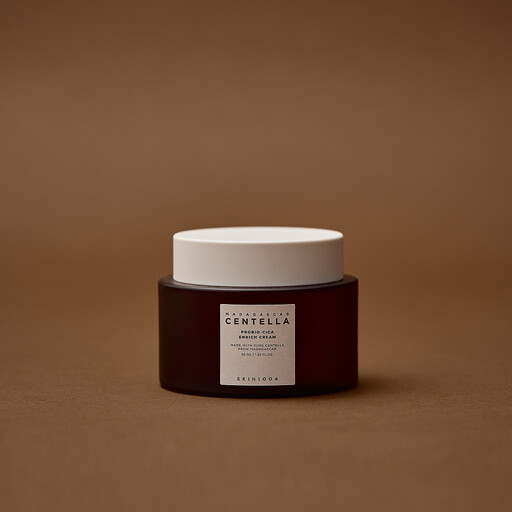
Why This Fits Their Persona: A Korean face cream for shoppers seeking a nourishing barrier-focused formula that can be used morning and evening.
Its ingredient list identifies ceramide NP, squalane, glycerin and plant oils, giving a clearer picture of its moisturising structure.
Contains centella-derived ingredients, ceramide NP and sodium hyaluronate; thick yet described as non-sticky.
We have compiled a complete, real-time list of products that fully satisfy these strict selection criteria and UK safety regulations.
Apply moisturiser after cleansing, while skin is still slightly damp. A small amount spread evenly over the face and neck is usually more comfortable than a thick layer that pills under make-up. In the morning, apply sunscreen as the final protective step if your moisturiser does not provide adequate coverage.
When introducing salicylic acid, niacinamide, alpha-arbutin or other active ingredients, use one new product at a time. Follow the packaging directions, avoid the eye area and stop if persistent redness, itching, burning or swelling develops. A patch test can help identify obvious sensitivity, although it cannot guarantee that a product will suit everyone.
Many skincare products display an open-jar symbol showing a period such as 6M or 12M. This indicates how long the product is intended to remain suitable after opening when stored correctly. Keep the container closed, away from heat and direct sunlight, and check the packaging for batch or shelf-life information.
Not necessarily. A day cream may be preferable for its lighter texture or SPF, while a night cream can provide a richer finish for dry skin. You can use one product twice daily if it feels comfortable and meets your routine needs, but daytime sun protection may still need to be applied separately.
Use caution when combining exfoliating or spot-focused products. Simultaneous use may increase the likelihood of dryness or irritation. Follow the product directions, introduce combinations gradually and discontinue use if irritation develops. For ongoing or severe skin concerns, seek advice from a qualified healthcare professional.