
24/7 Customer Support

Free returns

Same-day & Next-day Delivery

Quality Guaranteed

Unlock Your Welcome Offers: FREE Delivery | Up to 80% OFF | Free 30-day JoyPlus trial
Download the APP
Finding the right face moisturiser should be straightforward, yet product pages often make comparison difficult. A lightweight cream may still contain fragrance that does not suit reactive skin, while a rich formula can feel uncomfortable on an oily T-zone. Large claims about “repair”, “renewal” or “anti-ageing” can also distract from the details that matter: ingredients, texture, size, usage and your skin’s everyday needs.
This guide explains the key points to check before buying, followed by our top recommendations for different UK skincare routines.
A moisturiser can help skin feel softer and reduce the sensation of tightness, but it does not replace cleansing or daytime sun protection. Look for humectants such as glycerin or hyaluronic acid, alongside emollients and occlusive ingredients that help reduce moisture loss.
If a product is described as a brightening moisturiser or anti-ageing moisturiser, treat these as skincare goals rather than guaranteed results. Ingredients such as niacinamide, peptides or adenosine may be included to support the appearance of smoother or more even-looking skin, but individual responses vary.
Fragrance is not automatically unsuitable, but it can be an avoidable consideration for people seeking a fragrance-free moisturiser or moisturiser for sensitive skin. Check the full ingredient list for “parfum” and fragrance allergens such as limonene, linalool, citronellol and geraniol.
A patch test is sensible before applying a new formula across your face. Stop use if redness, itching, swelling or persistent discomfort develops, and follow the product’s safety instructions.
“Rich”, “gel”, “fresh” and “lightweight” are useful descriptions, but they do not tell the whole story. A cream containing petrolatum, mineral oil, waxes or shea butter may feel more protective on dry skin, while a gel-cream may be more comfortable for combination or oily skin.
Consider whether you need a cream for use under make-up, after shaving, in colder weather or as an evening layer. The best value is not necessarily the largest jar; it is the product you can use comfortably and consistently.
For moisturiser for dry skin, look for a combination of humectants, emollients and occlusives. Glycerin, squalane, oils, shea butter, petrolatum and mineral oil can all contribute to a more nourishing feel.
For moisturiser for oily and combination skin, consider lighter textures and ingredients such as glycerin, niacinamide or hyaluronic acid. “Non-greasy” does not guarantee that every formula will suit every person, so review the texture and ingredient list carefully.
Those seeking a barrier repair cream may prefer formulas containing ceramides, panthenol, fatty acids or soothing ingredients. A barrier-supporting moisturiser should complement, rather than replace, advice from a qualified healthcare professional when skin is persistently inflamed or damaged.
A fragrance-free product may be a practical choice for sensitive routines. However, fragrance-free does not mean allergy-proof. Botanical extracts, essential oils and preservatives can still be relevant to individual sensitivities.
Check the packaging for the latest ingredient list, net content, batch information and usage warnings. UK cosmetic products should carry appropriate labelling, but packaging can change, so the product container remains the final reference.
Common sizes include 30ml, 50ml, 55g, 60ml and 100ml. A smaller luxury face cream can be useful if you want to trial a richer texture, while a 100ml men’s face moisturiser may suit frequent daily use.
Apply moisturiser after cleansing and serums, using the amount recommended on the packaging. During the day, use a separate sunscreen where appropriate, as the products below are not presented as SPF products.
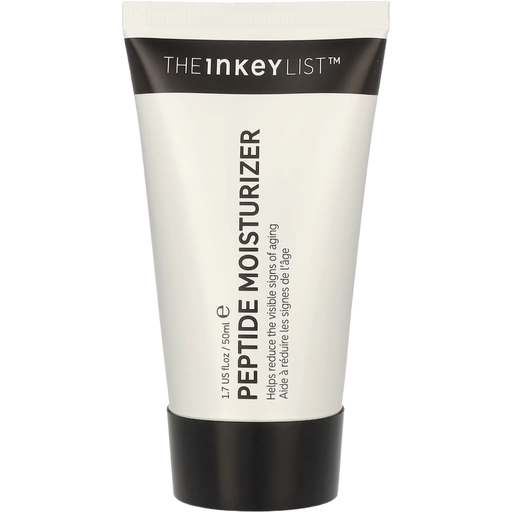
Why This Fits Their Persona: A practical daily option for shoppers starting a simple morning and evening routine, including those who want a lightweight cream under make-up.
The listed formula is fragrance-free, with a fast-absorbing texture and a concise ingredient list that is easier to review before purchase.
Contains glycerin and a peptide duo; the 50ml cream is designed to layer with serums, oils and make-up.
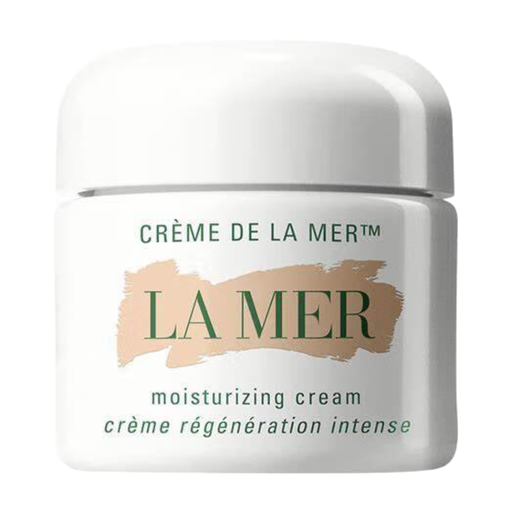
Why This Fits Their Persona: Suits shoppers looking for a richer, premium facial cream and a more indulgent evening skincare step.
The rich texture and fragrance-containing formula are clearly considerations, helping shoppers decide whether it suits their preferences before ordering.
60ml size; includes glycerin, petrolatum, mineral oil and algae extract for a substantial moisturising feel.
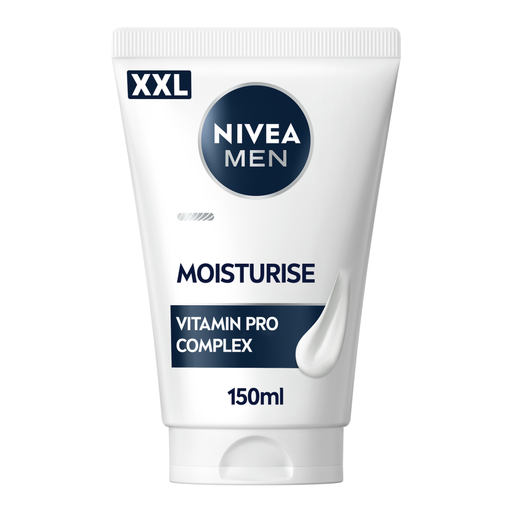
Why This Fits Their Persona: A convenient men’s face moisturiser for regular use, particularly when a larger size and fragrance-free format are priorities.
Its listed fragrance-free formula and non-sticky finish address two common concerns: avoidable scent and uncomfortable residue after application.
100ml format; includes glycerin, panthenol, shea butter and chamomile extract.
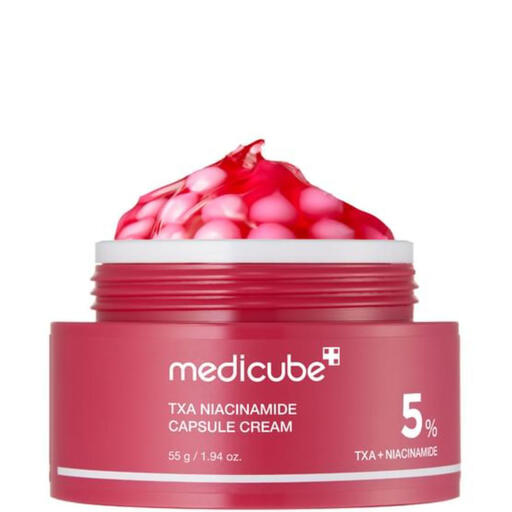
Why This Fits Their Persona: A suitable option for shoppers comparing Korean skincare textures and looking for hydration alongside a brightening-focused routine.
The product specifies its 5% niacinamide, ceramide NP and multiple hyaluronic acid forms, rather than relying only on broad glow-related wording.
55g format; pink capsules and red gel can be mixed to create a lighter or richer texture.
We have compiled a complete, real-time list of products that fully satisfy these strict selection criteria and UK safety regulations.
Start with a small, even layer across the face and neck, following the product directions. A pea-sized amount is commonly suggested for richer creams, but lighter lotions may require a different quantity. Applying too much can increase pilling under make-up without improving comfort.
Yes, provided the formula feels comfortable and the product directions allow it. Men’s moisturisers designed for post-shave use may include soothing ingredients such as panthenol or chamomile. Avoid applying any product that stings persistently, especially to freshly irritated or broken skin.
The usable period varies by product and packaging. Check the open-jar symbol and printed batch or shelf-life information. Store the container as directed, close it securely and avoid introducing water or contaminants into an open cream. Consistent, suitable use is generally more useful than changing products frequently.