
24/7 Customer Support

Free returns

Same-day & Next-day Delivery

Quality Guaranteed

Unlock Your Welcome Offers: FREE Delivery | Up to 80% OFF | Free 30-day JoyPlus trial
Download the APP
Choosing a face moisturiser cream should be straightforward, but crowded shelves and polished marketing can make it difficult to know what your skin actually needs. A lightweight gel may feel comfortable in a centrally heated office but leave dry cheeks tight by evening, while a rich cream can feel protective in winter yet prove uncomfortable on an oily T-zone.
The main risks are not simply choosing the wrong brand. They include paying for vague ingredient claims, confusing daily moisturiser with sun protection and overlooking fragrance or texture when your skin is sensitive. This guide from the Joybuy Product Recommendation Officer explains the practical checks that can help UK shoppers select a facial moisturiser with fewer surprises.
A product may highlight peach, yuja, rice water or propolis, but one featured ingredient does not tell you whether the formula suits your skin. Check the wider ingredient list for useful supporting components such as glycerin, hyaluronic acid, panthenol, squalane, ceramides or plant oils.
Also consider potential sensitivities. Fragrance, essential-oil components and certain botanical extracts may not suit everyone, particularly if your skin is easily reactive. Always review the current packaging and consider a patch test before applying a new cream across your face.
An SPF face cream can be convenient, but SPF15 or SPF30 should not automatically be treated as a replacement for a dedicated sunscreen in strong sunlight. Protection depends on applying enough product and reapplying when required. A moisturiser without stated UVA and UVB protection offers hydration only.
For everyday outdoor exposure, look for clearly labelled broad-spectrum protection and follow the product’s application instructions. The Cetaphil Daily Defence Cream SPF 50 and Nuxe Sun Delicious Face Cream SPF30 are examples of products with stated sun-protection ratings, but they still require correct application.
A thick cream is not automatically more hydrating, and a gel is not automatically better for oily skin. A formula’s humectants, emollients and occlusive ingredients all affect how it feels and how well it helps reduce moisture loss.
Think about your surroundings and routine. Cold winds, indoor heating and frequent cleansing can increase the need for a richer barrier repair cream, while humid weather or makeup layering may make a light gel cream more practical.
Ingredient order can offer useful context, but it does not predict exactly how your skin will respond. Claims such as “vegan”, “dermatologically tested” or “fragrance-free” should be checked against the product packaging and the retailer’s current listing.
Choose a texture that you can apply consistently:
Compare net content as well as price. The products in this guide range from 30ml to 100ml, so a lower ticket price does not necessarily mean lower cost per application. Jar, tube and pump packaging can also affect hygiene and ease of use.
Apply moisturiser after cleansing and any watery serums, usually as the final skincare step. In the morning, apply sunscreen separately unless your chosen product provides suitable, clearly stated protection.
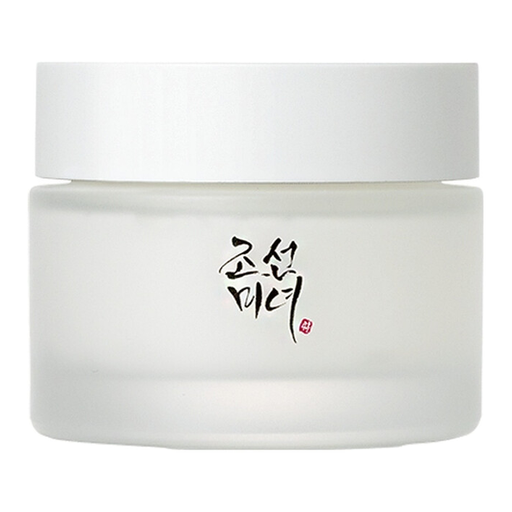
Why This Fits Their Persona: This Korean skincare cream offers a richer, dewy finish for those who enjoy a more nourishing facial moisturiser or a moisturising layer before makeup.
Its listed formula gives shoppers more to assess than the “glass skin” wording alone, including niacinamide, squalane and ceramide NP. The dense texture may be excessive for very oily skin.
Contains rice bran water, ginseng root water, niacinamide, squalane and ceramide NP; can also be used as a sleeping mask.
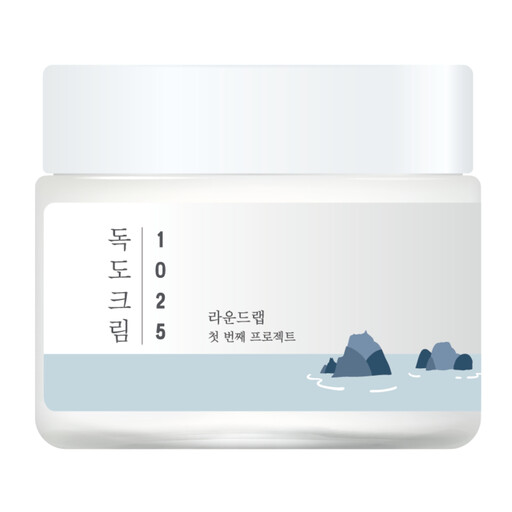
Why This Fits Their Persona: The 80ml format is practical for regular use, while the richer but non-greasy texture is suited to dry, dehydrated or sensitive-feeling skin during colder weather.
The formula specifies five ceramides and three forms of hyaluronic acid, giving a clearer basis for comparing barrier and hydration support than a generic “deep moisture” label.
Quintuple ceramide complex; triple hyaluronic acid; no artificial fragrance, parabens or alcohol listed in the product description.
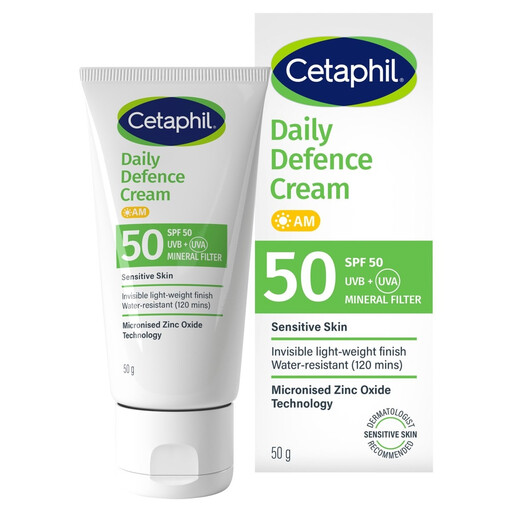
Why This Fits Their Persona: It is designed for shoppers who want a morning face cream with stated SPF50 protection and a fragrance-free, lightweight finish.
The SPF rating and mineral UV filter are stated clearly. Remember that sun protection depends on generous application and reapplication, not the label alone.
Micronised zinc oxide; SPF50; fragrance-free and described as non-comedogenic; 120 minutes’ water resistance is stated by the product listing.
Yes, most facial moisturisers are designed for daily use after cleansing. Apply a suitable amount to the face and neck, then adjust the quantity according to seasonal dryness and your skin’s comfort. Follow the product instructions, particularly for formulas containing SPF or exfoliating ingredients.
It can be, provided you choose a lighter texture and review the formula. Gel creams and non-comedogenic products may feel more comfortable than dense creams. However, “non-comedogenic” is not a guarantee for every individual, so introduce new products gradually and stop using them if irritation or breakouts develop.
There is no fixed lifespan because usage varies. A pea-sized amount once or twice daily will generally last longer than applying thick layers or using it on the face, neck and décolletage. Keep the lid closed, store the product as directed and check the packaging for its period-after-opening guidance and batch information.