
24/7 Customer Support

Free returns

Same-day & Next-day Delivery

Quality Guaranteed

Unlock Your Welcome Offers: FREE Delivery | Up to 80% OFF | Free 30-day JoyPlus trial
Download the APP
Facial tissues are a small household purchase, but the wrong pack can create unnecessary waste, skin discomfort and repeat spending. A low sheet count may disappear during cold season, while heavily scented paper may not suit everyone in the home. Large boxes can also be inconvenient in a handbag, office drawer or car.
Before buying facial tissues, look beyond phrases such as “extra soft” or “family value”. Check the construction, sheet count, ingredients, packaging format and intended use. These details provide a more reliable basis for comparison.
A higher ply count can indicate a thicker sheet, but it does not automatically mean better value. A 3-ply tissue may feel more substantial, while a 2-ply family pack may provide more sheets for everyday wiping. Compare both ply and total sheet count, then consider the cost per sheet.
Balsam tissues, aloe vera tissues and lotion tissues are designed to provide a different feel during use. However, added ingredients may not suit people who prefer fragrance-free or simpler materials. Floral or cologne-scented tissues may also be unsuitable for those sensitive to perfumes.
Read the product information carefully. If irritation occurs, stop using the product. Facial tissues are general consumer goods and should not be treated as medical products.
Bulk facial tissues can reduce how often you restock, but a 24-pack requires cupboard, utility-room or garage space. Paper can absorb moisture, so sealed packs should be stored in a cool, dry place away from humidity and direct sunlight. A large quantity is practical only if your household has suitable storage.
2-ply tissues are often suitable for light daily tasks, such as wiping hands, tears or small marks. 3-ply tissues provide an additional layer for users who prefer a thicker feel and greater resistance to tearing. Some 4-ply pocket tissues are designed for portability and frequent use during commuting or travel.
Sheet dimensions also matter. Larger sheets may offer more coverage, while compact sheets can fit conveniently into pockets or small tissue holders. If you intend to use tissues damp, check the product description for wet-strength information and dispose of them in a bin rather than flushing them.
Many facial tissues use virgin wood pulp, while alternatives include bamboo facial tissues, cotton and other plant-based cellulose fibres. Material choice affects texture, thickness and personal preference.
Look for recognised information such as FSC-certified tissues if responsibly sourced paper is important to you. FSC certification relates to the sourcing of forest-based materials; it does not indicate that a tissue has medical or skin-treatment properties. Unbleached bamboo products may retain a more natural colour and may be listed as free from fluorescent whitening agents.
For households with mixed preferences, fragrance-free and hypoallergenic tissues can be a straightforward option. Morrisons Savers Facial Tissues are described as hypoallergenic, fragrance-free and dermatologically tested, with 180 sheets per box and a 2-ply structure.
Balsam tissues may feel more comfortable when the nose is wiped frequently, but check the ingredient list if you have known sensitivities. Pocket tissues are convenient for commuters, parents and travellers, while boxed tissues are easier to access at home or in an office.
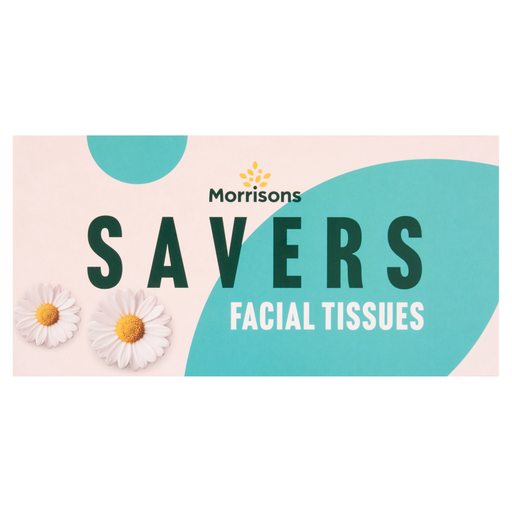
Why This Fits Their Persona: A practical boxed option for households, bedrooms, offices or cars that need a regular supply without added fragrance.
The stated 180-sheet count makes pack capacity clear, while the fragrance-free description avoids an unexpected scented formula.
2-ply construction; FSC-certified paper; compact rectangular box.
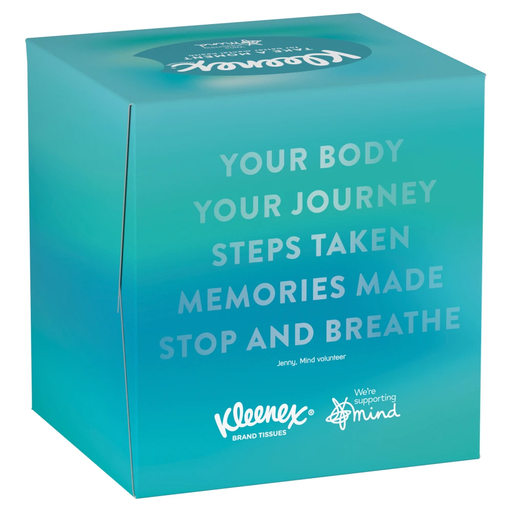
Why This Fits Their Persona: A decorative cube format for a sitting room, bedroom or reception area where presentation matters alongside everyday access.
The listing specifies 3-ply construction and 48 sheets, making the smaller decorative format easier to assess against household demand.
3-ply paper; FSC-certified; cube design for visible placement.
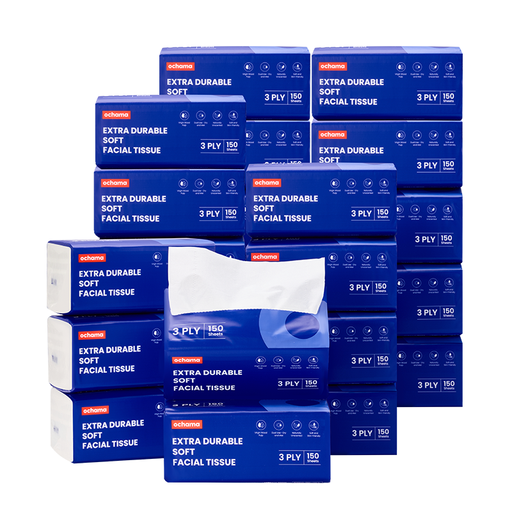
Why This Fits Their Persona: A family pack for high-use homes, busy offices or households preparing for periods of increased demand.
The total quantity is clearly stated as 3,600 sheets, reducing the risk of mistaking a large carton for a low-capacity multipack.
24 packs of 150 sheets; 3-ply design; listing states resistance to wet tearing.
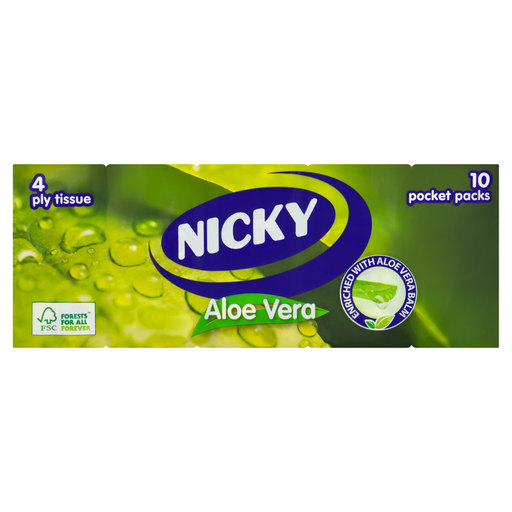
Why This Fits Their Persona: Ten pocket packs are easy to divide between coats, handbags, school bags and car compartments.
The 4-ply format and pocket packaging are specified clearly. Buyers who avoid added ingredients should note that this product contains aloe balsam.
4-ply sheets; 10 pocket packs; FSC-certified sourcing stated in the listing.
We have compiled a complete, real-time list of products that fully satisfy these strict selection criteria and UK safety regulations.
They can be useful if you prefer a thicker feel or need additional resistance during frequent wiping. However, compare the total number of sheets and price per sheet rather than choosing by ply alone. A 2-ply family pack may be more economical for light, everyday use.
Keep unopened and opened packs in a dry place away from high humidity, direct sunlight and heat. Reseal soft packs where possible, and keep tissue boxes away from areas where they may absorb moisture, such as bathrooms with poor ventilation.
Facial tissues are generally designed for disposal in a bin, not for flushing. Their structure can differ from toilet tissue and may contribute to blockages. Follow the product label and local wastewater guidance, particularly in older UK plumbing systems.