
24/7 Customer Support

Free returns

Same-day & Next-day Delivery

Quality Guaranteed

Unlock Your Welcome Offers: FREE Delivery | Up to 80% OFF | Free 30-day JoyPlus trial
Download the APP
Choosing facial tissues can seem straightforward until a thin sheet tears during a cold, a scented pack irritates your nose, or a large box turns out to offer poor value. UK households also need to consider storage, portability, sustainability and how often tissues are used.
This guide explains the practical details worth checking before buying facial tissues, with options for everyday home use, commuters, families and shoppers who prefer bamboo or pocket formats.
A large number on the front of a pack does not always mean lower cost per use. Compare the total sheet count, number of packs and sheet size. A family pack with 24 smaller packs may be more convenient than a smaller number of oversized boxes, while a cube box can be easier to place on a desk or bedside table.
For a fair comparison, calculate:
3-ply tissues and 4-ply tissues generally contain more layers than 2-ply designs, which may provide additional thickness and resistance to tearing. However, ply count alone does not describe softness, sheet size, absorbency or how the tissue feels during frequent use.
A thicker tissue may also take up more space in a handbag or household cupboard. Match the construction to the task rather than paying for thickness you do not need.
Floral, cologne and balsam options may appeal to shoppers who enjoy a scented product, but fragrance is not suitable for everyone. If you or a family member prefers a simpler option, look for fragrance-free tissues and check the ingredients or product information before purchasing.
Products described as suitable for sensitive skin may still feel different from person to person. Stop using any tissue that causes discomfort and follow the packaging guidance.
Ply refers to the number of paper layers joined together. A 2-ply tissue may be suitable for light everyday use, while 3-ply and 4-ply tissues can offer a thicker feel for wiping the face, hands or small spills.
Also check the sheet dimensions. A compact sheet is convenient for pockets and small boxes, whereas a larger sheet may be more practical for family use. Claims such as “wet-strong” should be understood as a product feature, not a reason to flush tissues. Unless the packaging clearly confirms flushability and it is appropriate for your local plumbing, dispose of used tissues in a bin.
Common materials include virgin wood pulp, bamboo pulp and cotton-based nonwoven fabric. Bamboo facial tissues may appeal to shoppers seeking an alternative fibre, while virgin wood pulp is widely used in traditional facial tissues.
Look for relevant information such as:
An FSC-certified tissue indicates that the paper is associated with responsibly managed forest sources under the relevant certification system. Certification is useful information, but it does not by itself indicate softness or strength.
Boxed tissues are convenient for living rooms, bedrooms, offices and reception areas. They dispense one sheet at a time and can be placed in a holder.
Pocket tissues are better suited to commuting, school bags, travel and keeping in a car. Check the number of sheets per mini pack, as a compact bundle may contain fewer sheets than expected.
For high-consumption households, compare family pack tissues by total sheets and storage footprint. Keeping unopened packs sealed and storing tissues in a cool, dry place helps protect their condition.
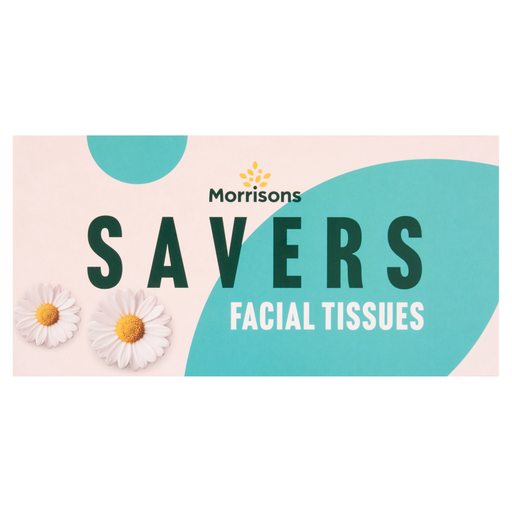
Why This Fits Their Persona: The 180-sheet family-size box is practical for everyday use in UK homes, offices or cars where a simple, readily available format matters.
The stated sheet count makes comparison easier, while its fragrance-free description avoids paying for scent that some users may not want.
2-ply construction; FSC-certified paper; compact rectangular box.
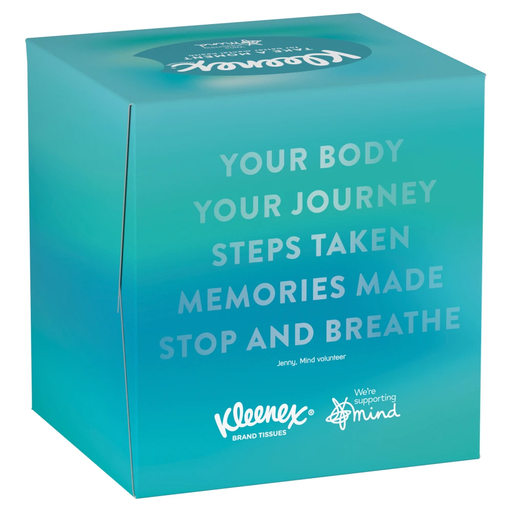
Why This Fits Their Persona: Its cube presentation suits a desk, bedside table or guest room where appearance and easy dispensing are part of the buying decision.
The 48-sheet count is clear, helping prevent assumptions about a large household supply from a decorative box.
3-ply tissue; FSC-certified paper; cube-shaped box design.
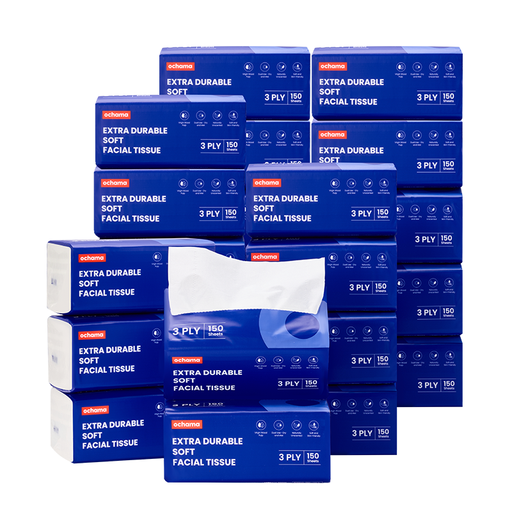
Why This Fits Their Persona: A 24-pack household supply is suited to families, shared homes and shoppers who prefer fewer repeat purchases.
The total of 3,600 sheets and 150 sheets per pack gives a clearer basis for judging bulk value than pack size alone.
3-ply design; FSC-certified; stated wet-tear resistance and minimal fluff.
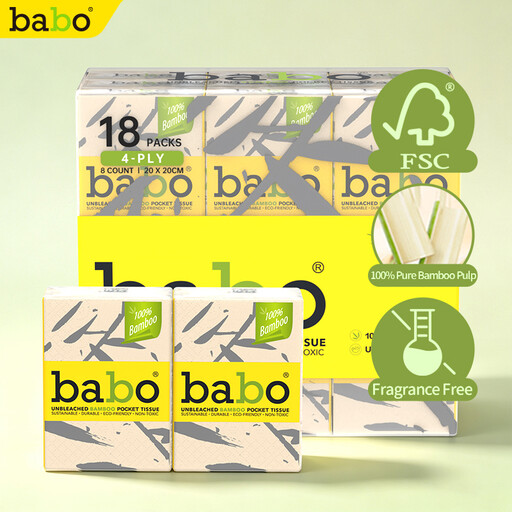
Why This Fits Their Persona: Mini packs are convenient for train journeys, school bags, work commutes and outdoor activities where space is limited.
The listing specifies 8 sheets per mini pack and 18 packs per bundle, so portability and total quantity are visible before purchase.
4-ply construction; bamboo pulp; unbleached and fluorescent-free description.
We have compiled a complete, real-time list of products that fully satisfy these strict selection criteria and UK safety regulations.
Before ordering, estimate where tissues will be used. Place boxed tissues in the rooms where people regularly need them, and keep pocket tissues in bags, coat pockets or the car. This reduces the temptation to open a large family pack for occasional use.
For households with frequent colds or allergies, a larger supply can reduce repeat orders. For occasional use, a smaller box or multipack may limit storage and packaging waste. Always compare the cost per 100 sheets, not just the headline price.
Scented choices such as floral, cologne or aloe vera tissues are preference-led purchases. If choosing a scented product, check the fragrance information carefully. For a neutral everyday option, prioritise fragrance-free facial tissues with clearly stated material and ply details.
They can be suitable when you want a thicker sheet with added structure for everyday face and hand wiping. Whether they offer good value depends on sheet count, price, size and how frequently you use them.
Shelf life varies by product and packaging. Unopened tissues should be stored in a cool, dry place away from moisture and direct sunlight. Once opened, reseal the box or pack where possible to help keep the tissues clean and dry.
Do not assume that facial tissues are flushable. Their structure may not break down in the same way as toilet tissue. Unless the packaging clearly states otherwise and flushing is suitable for your plumbing, place used tissues in a household bin.