
24/7 Customer Support

Free returns

Same-day & Next-day Delivery

Quality Guaranteed

Unlock Your Welcome Offers: FREE Delivery | Up to 80% OFF | Free 30-day JoyPlus trial
Download the APP
Buying fish fillets online should make meal planning easier, but product descriptions can hide important differences. A pack labelled as fillets may include skin, bones, added water, heavy ice glaze or a seasoned coating that changes its nutritional value and cooking method.
For UK households, the most useful comparison points are net fish weight, preparation, storage requirements and intended use. Whether you want frozen fish fillets for midweek meals, fresh fish fillets for a special dinner or ready-to-cook fish for the air fryer, checking the detail before ordering helps avoid waste.
A 1kg frozen pack does not always contain 1kg of fish. Some products include an ice glaze, and the stated net fish weight may be lower. For example, certain pangasius packs provide 800g of fish within a 1kg total pack. Compare the net quantity of fish, not simply the headline pack size.
Boneless fish fillets are trimmed for convenience, but manufacturers may still advise that occasional bones can remain. This is particularly relevant when serving children or older family members. Always read the allergen and safety information, and inspect fillets before cooking.
Breaded fish fillets and seasoned options can save preparation time, but coatings, sauces and marinades may add salt, starch, oil or allergens. Plain skinless fish fillets offer more control over seasoning, while prepared products may be preferable when speed matters. Choose according to how you actually cook rather than relying on promotional language.
White fish fillets such as cod, tilapia and pangasius usually have mild flavours and work well with sauces, herbs and spices. Cod fillets are suitable for baking, frying and classic family meals, while tilapia fillets cook quickly and can be used in soups or hot pots. Pangasius fillets have a delicate flavour that absorbs marinades well.
For a firmer, more distinctive texture, consider salmon fillets or monkfish fillet. Salmon is often chosen for pan-searing, roasting and grilling, while monkfish can be wrapped, stuffed or roasted. The Fish Society Wild British Monkfish Whole Fillet is supplied skinless with the membrane removed, which reduces preparation before cooking.
Check whether the product is skinless, boneless, whole, sliced, smoked or coated. Skin-on salmon can crisp in a pan, whereas skinless fillets are convenient for curries and traybakes. Smoked salmon is ready to eat and suited to bagels, salads and scrambled eggs, but it is cured and therefore typically saltier than raw fish.
Individually quick-frozen, or IQF, fillets are useful when you want to remove only the number of portions required. This can reduce food waste compared with a solid frozen block.
Most frozen fish fillets need to remain at -18°C or below and should not be refrozen after thawing. Thaw raw fish in the refrigerator, then cook it thoroughly. Product instructions may specify an internal temperature above 70°C, while some prepared foods require at least 75°C. Follow the instructions on the packaging, as cooking time depends on thickness and format.
For online fish delivery, UK shoppers should check whether the item arrives frozen, chilled or ready to eat. Chilled smoked salmon, for example, may need refrigeration between 0°C and 5°C and should be consumed within the stated period after opening.
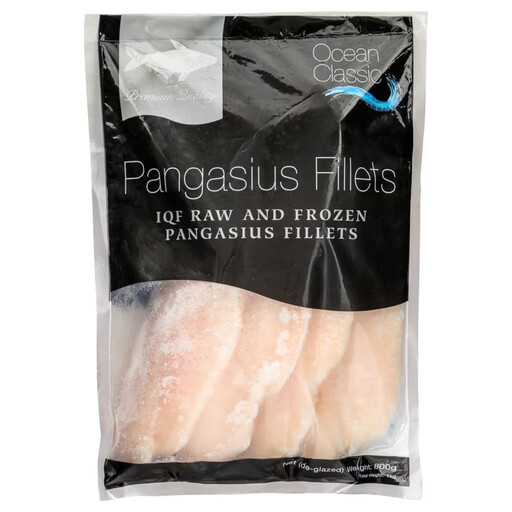
Why This Fits Their Persona: A practical freezer option for families wanting mild white fish that can be used across several meals.
The listing states the 1kg pack contains 800g of fillets with ice, making the usable fish weight clear.
Skinless, boneless and IQF; suitable for grilling, baking, frying, steaming and curries.
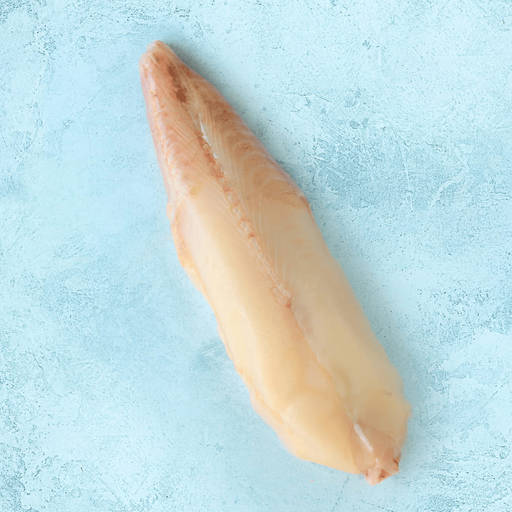
Why This Fits Their Persona: Suits home cooks planning a centrepiece meal with a firm-textured fish and flexible cooking options.
It is described as skinless with the membrane removed, so the preparation detail is clearly stated rather than assumed.
Wild caught from UK waters; suitable for roasting, pan-searing, pastry wrapping or stuffing.
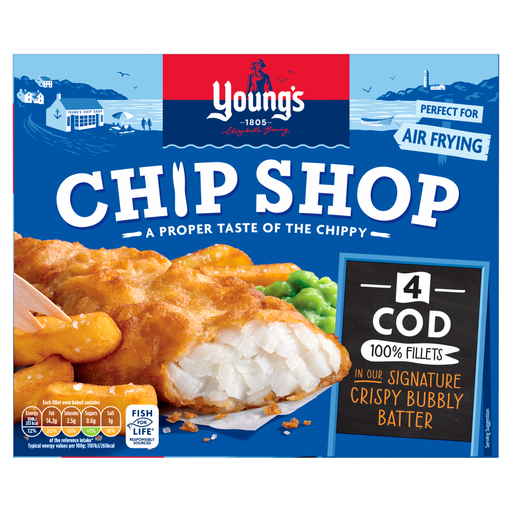
Why This Fits Their Persona: Designed for busy families who want a familiar fish-and-chips-style meal with straightforward oven or air-fryer preparation.
The pack specifies four portions, cooking from frozen and a 20–22 minute oven guide, reducing guesswork on busy evenings.
Uses cod fillets with a crispy batter; suitable for oven baking and air frying.
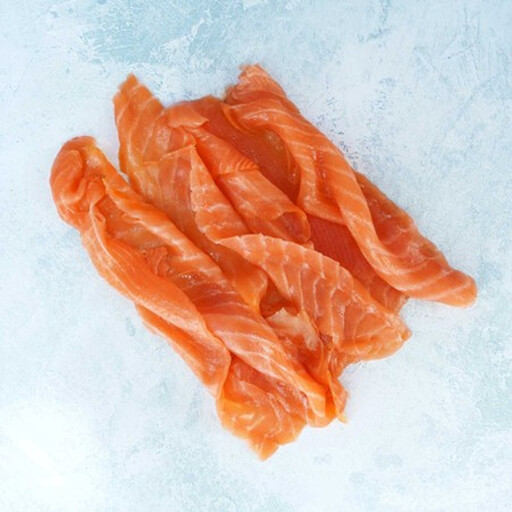
Why This Fits Their Persona: A convenient chilled option for breakfasts, lunches, appetisers and no-cook meals.
The listing clearly identifies it as cold smoked and ready to eat, so it is not confused with raw salmon requiring cooking.
Long-sliced salmon; ready to eat and suitable for bagels, salads, pasta or scrambled eggs.
We have compiled a complete, real-time list of products that fully satisfy these strict selection criteria and UK safety regulations.
Yes. Frozen fish can be convenient and easy to portion, particularly when supplied as IQF pieces. Keep it at -18°C or below, thaw in the refrigerator where instructed and follow the cooking directions on the pack.
The safe period depends on whether the product is fresh, thawed, cooked or smoked. Follow the use-by date and storage instructions. Once thawed, many raw products should be cooked or consumed within 24 hours, while opened smoked salmon may have a shorter stated period.
Skinless and boneless tilapia, pangasius and cod are straightforward choices for first-time cooks. Breaded fish fillets can go directly into the oven or air fryer, while ready-to-eat smoked salmon requires no cooking. Always check the packaging because preparation times vary by thickness and format.