
24/7 Customer Support

Free returns

Same-day & Next-day Delivery

Quality Guaranteed

Unlock Your Welcome Offers: FREE Delivery | Up to 80% OFF | Free 30-day JoyPlus trial
Download the APP
Buying flour can seem straightforward until a recipe fails to rise, pastry turns tough or a large bag goes stale in the cupboard. The main issue is that flour is not one interchangeable ingredient. Protein level, raising agents, milling style and pack size all affect how it behaves.
This guide explains the practical differences between common flour types, highlights shopping traps and matches suitable products to different UK kitchens.
Plain flour, strong white bread flour and wholemeal bread flour have different characteristics. A cake recipe generally needs a softer flour, while yeasted bread needs enough gluten-forming protein to support structure. Substituting one for another may produce a noticeably different texture.
Strong white bread flour is designed for yeasted loaves and usually has more protein than plain flour. High-gluten flour is made for doughs requiring elasticity and chew, such as pizza, bagels and certain steamed breads. However, the terms are not always used consistently across cuisines, so check the stated protein content and intended use rather than relying only on front-of-pack wording.
Bulk packs can reduce the number of shopping trips, but flour absorbs moisture and odours. A 5kg bag of chakki atta may suit a household making flatbreads several times a week, while a 400g specialist flour may be more practical for occasional recipes. Check the best-before date, reseal the packaging and transfer opened flour to an airtight container where appropriate.
Protein is a useful comparison point, although it does not tell the whole story. The reference products show different levels:
For noodles, dumplings and flatbreads, moderate protein can make dough easier to roll and shape. Specialist dumpling flour is often selected for wrapper texture rather than simply choosing the highest available protein.
Self-raising flour contains raising agents, so it is intended for recipes such as sponges, scones and muffins where the formula has been designed around a built-in lift. McDougalls Self Raising Flour lists wheat flour plus calcium phosphate and sodium bicarbonate.
Plain flour contains no added raising agents in the listed products. This gives you more control, but recipes may require baking powder or bicarbonate of soda separately. Do not add extra raising agents automatically when using self-raising flour, as this can affect taste and structure.
Look for the description that matches your planned use:
Always read the current packaging for allergens, ingredients, country of origin, net quantity and storage instructions. Wheat flour contains gluten unless the product is specifically labelled otherwise. Flour is a raw ingredient and should not be eaten uncooked.
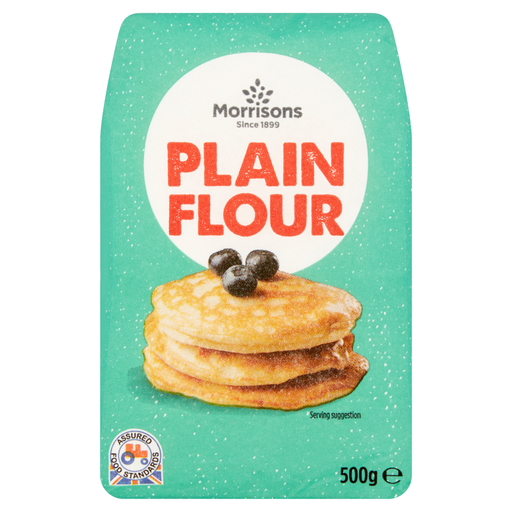
Why This Fits Their Persona: A manageable 500g pack suits occasional bakers, students and smaller households trying different recipes without committing to bulk quantities.
It is plain flour rather than pre-raised flour, so the recipe determines whether baking powder or another raising agent is needed.
Lists 9.4g protein per 100g; suitable for cakes, biscuits, pastries and general cooking.
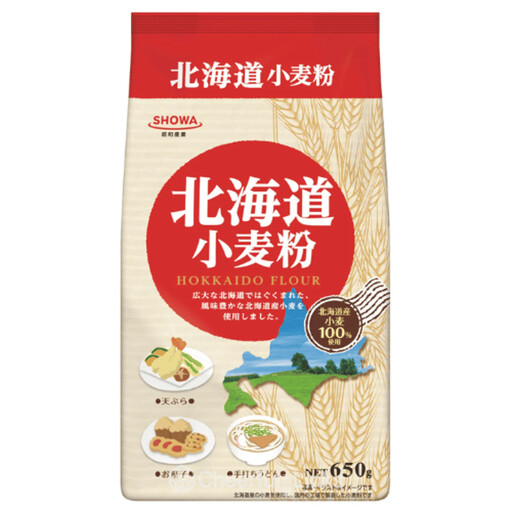
Why This Fits Their Persona: The smaller pack is appropriate for cooks seeking a specified wheat origin and additive-free ingredient for varied home baking.
The listing identifies 100% Hokkaido wheat and no artificial additives, rather than relying only on vague quality language.
Lists 10g protein per 100g; described for bread, cakes, pastries and noodles.
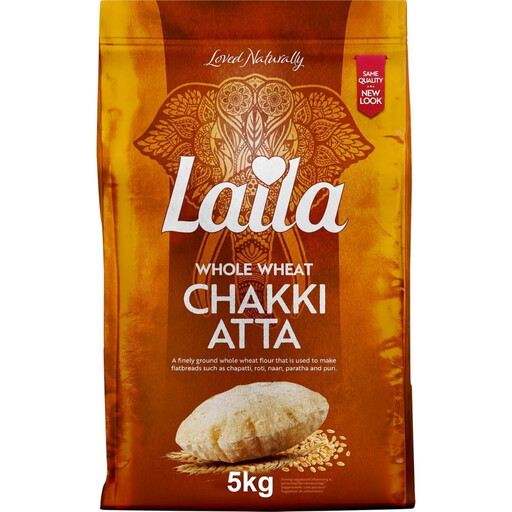
Why This Fits Their Persona: A 5kg wholemeal pack is suited to families and regular cooks preparing chapattis, rotis, parathas or puris.
Its intended use is clearly defined as wholemeal wheat flour for Indian flatbreads, avoiding a poor match with delicate cake recipes.
Lists wholemeal wheat flour, 13g protein and 14g fibre per 100g; suitable for vegetarians.

Why This Fits Their Persona: Regular bread makers can use a clearly specified flour for loaves, plaits and other yeast-raised doughs.
The 14g protein figure provides a clearer comparison than the word “strong” alone; the pack also states that it requires cooking.
Made from wheat flour with added calcium, iron, niacin and thiamin; suitable for vegetarians and vegans.
Keep flour in a cool, dry cupboard, away from heat, sunlight and strong odours. Fold the bag tightly or use an airtight container after opening. Rotate older stock first and do not pour new flour onto an older batch.
For value comparisons, calculate the price per 100g rather than comparing the headline pack price. Multi-packs such as three 1.1kg bags can be economical for frequent baking, while a smaller pack reduces waste for occasional use.
Wheat flour, bread flour, semolina, chakki atta and many dumpling flours contain gluten. Check the full label if you have an allergy, coeliac disease or dietary requirement. A product described as suitable for a vegan recipe may still be made in an area handling non-vegan ingredients, so read the allergen statement carefully.
We have compiled a complete, real-time list of products that fully satisfy these strict selection criteria and UK safety regulations.
They are often used for similar general baking and cooking tasks, but formulations vary by market and product. Check the ingredient list and protein content before substituting.
It can be used in some recipes, but its higher gluten-forming potential may create a firmer or chewier texture. Plain flour, self-raising flour or sponge flour is generally more closely matched to cake recipes.
Follow the best-before information on the packaging and store the flour correctly. Discard it if it develops an unusual smell, shows signs of moisture, mould or infestation, or if the packaging is damaged.