
24/7 Customer Support

Free returns

Same-day & Next-day Delivery

Quality Guaranteed

Unlock Your Welcome Offers: FREE Delivery | Up to 80% OFF | Free 30-day JoyPlus trial
Download the APP
Choosing between flour and starch can be confusing when supermarket shelves and online listings use terms such as “strong”, “fine”, “premium” and “special blend”. The wrong choice may leave you with a dense loaf, crumbly pastry or a sauce that refuses to thicken.
This guide explains the practical differences between everyday flour, specialist baking ingredients and Asian cooking ingredients, helping UK households select suitable products without paying for features they do not need.
Plain flour, self-raising flour and bread flour have different purposes. Plain flour is suitable for many cakes, biscuits, pastries, sauces and general cooking. Self-raising flour already contains raising agents, while strong flour has more protein-forming gluten for yeast-based doughs.
Substituting one for another can alter the texture and rise. For example, using self-raising flour in a recipe that already includes baking powder may produce an overly risen or salty bake. Using plain flour for a crusty loaf may result in less structure than the recipe requires.
Glutinous rice flour is made from sticky rice. Despite the name, “glutinous” describes its chewy, adhesive texture rather than wheat gluten. It is commonly used for mochi, rice cakes and Asian desserts.
However, products such as dumpling flour, semolina, chakki atta and strong wheat flour generally contain wheat or gluten. Always read the allergen statement rather than relying on the product name alone.
Large bags may offer a lower cost per kilogram, but flour can absorb moisture and odours. Pantry moths and clumping are also more likely if an opened bag is left loosely folded. Check the net quantity, best-before date and storage instructions before choosing a multi-pack such as a 5kg bag or twin pack.
Transfer opened flour and starch to a clean, airtight container where practical. Keep it in a cool, dry cupboard and avoid mixing a new batch with older ingredients.
Protein content is a useful guide when comparing wheat flours:
Protein is not the only factor, but it helps match the ingredient to the recipe. A delicate sponge generally benefits from a softer flour, while bread, pizza and bagels need dough-forming strength.
Check whether the flour already contains baking powder or other raising agents. Self-raising flour is convenient for cakes, scones and muffins, but it should not automatically replace plain flour. McDougalls Self Raising Flour and Morrisons Self Raising Flour both include raising agents.
Specialist products may contain more than flour. Vinh Thuan Dumpling Flour includes wheat flour, tapioca starch, baking powder and instant dry yeast. This can reduce preparation steps for steamed bánh bao, but it also means you should not add extra yeast or baking powder unless the recipe specifies it.
Potato starch is different from potato flour. It is a fine, white starch used to thicken sauces, create glossy coatings and contribute to the texture of some pastries and dim sum. Jiaxin Potato Starch contains potato starch only and declares no allergens.
Rice flour is made from ordinary rice and is suitable for recipes such as batters, rice noodles and some desserts. Glutinous rice flour creates a stickier, chewier result. For gluten-free baking, a blended flour may be more practical than using a single starch. Freee By Doves Farm Free From Gluten Plain White Flour combines rice, potato, tapioca, maize and buckwheat.
Always check the packaging for the latest allergen declaration. Wheat flour and dough are raw ingredients and must be thoroughly cooked or baked before eating.

Why This Fits Their Persona: A practical cupboard staple for new bakers making cakes, pastries, biscuits, sauces and everyday recipes.
It is plain flour rather than a pre-raised blend, so recipes retain control over the amount of baking powder or bicarbonate used.
Pre-sifted; 1.1kg quantity; suitable for a broad range of home baking and cooking uses.

Why This Fits Their Persona: Suitable for home bakers who regularly make yeasted loaves, plaits and other doughs requiring structure.
Its stated 14g protein per 100g gives a clear specification to compare, rather than relying only on vague packaging language.
Very strong white bread flour; 14g protein per 100g; suitable for vegetarian and vegan recipes.
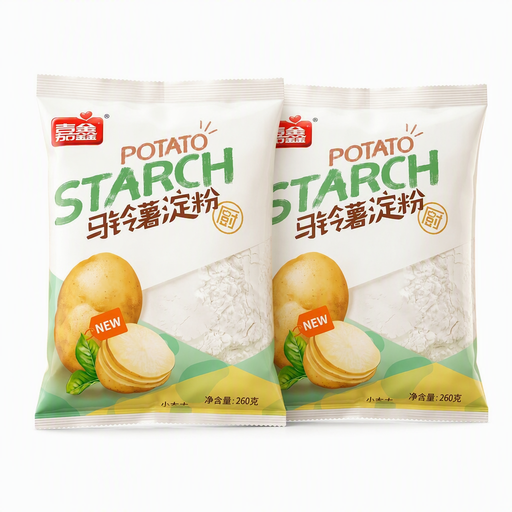
Why This Fits Their Persona: A useful twin pack for cooks preparing Chinese sauces, coatings, velveting mixtures, pastries or crystal-style dumpling wrappers.
The ingredient is clearly listed as potato starch, avoiding confusion with potato flour or a mixed thickening powder.
Two 260g packs; single-ingredient product; no allergens declared in the supplied product information.
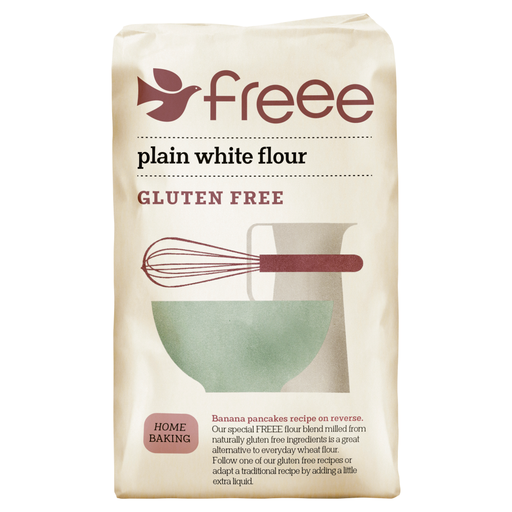
Why This Fits Their Persona: A blended option for households seeking a gluten-free alternative to everyday plain flour in cakes and other bakes.
The blend is specified as rice, potato, tapioca, maize and buckwheat, rather than presenting a single starch as a direct wheat replacement.
1kg pack; listed as free from cereals containing gluten; suitable for recipes requiring plain white flour.
We have compiled a complete, real-time list of products that fully satisfy these strict selection criteria and UK safety regulations.
In UK recipes, plain flour is the usual term for flour without added raising agents. It can be used for cakes, pastry, biscuits, sauces and general cooking, subject to the recipe. “All-purpose flour” is more common in other markets and may not match UK formulations exactly, so check the protein content and ingredients.
Choose bread flour or strong flour when making yeast-leavened bread, pizza dough or bagels. Higher protein can support a more elastic dough. Wholemeal flour adds a deeper grain texture but may need recipe adjustments for hydration and proving.
Keep unopened and opened products in a cool, dry place away from heat, moisture and strong odours. Reseal the original bag or use an airtight container. Potato starch and glutinous rice flour should be protected from moisture to reduce clumping. Always use the best-before information on the packaging and do not eat raw flour, dough or batter.