
24/7 全天候客户支持

免费退货

当日/次日达

品质保障

开启新人专享福利: 全场免邮 | 低至 2 折 | 免费试用 30 天 JoyPlus 会员
下载 Joybuy
As a Joybuy Product Recommendation Officer, my role is to help you navigate the crowded market of household essentials. When it comes to something as seemingly simple as food freezer bags, making the wrong choice can lead to wasted food, a disorganised freezer and environmental concerns. Many of us have experienced the frustration of a split bag or the disappointment of freezer-burnt food.
This guide cuts through the clutter to focus on what truly matters. We will look at the common traps that lead to poor purchases and highlight the key features you should check before you buy, ensuring your food stays fresh and your money is well spent.
Before you add another roll of flimsy bags to your basket, be aware of these frequent issues that catch out even savvy shoppers.
To ensure your freezer bags perform as expected, focus on these three non-negotiable parameters.
The material dictates a bag's strength and suitability for freezing. Look for bags made from heavy duty freezer bags material, typically a thicker gauge of low-density polyethylene (LDPE). This provides better tear-resistance and flexibility at temperatures as low as -20°C to -40°C. For those seeking alternatives to traditional plastic, options now include plant-based materials for compostable freezer bags or durable, multi-use plastics designed for reusable food storage bags.
The seal is your first line of defence against freezer burn. A high-quality zip-style closure, often with a double track, provides a more secure and airtight lock than a simple press-seal or tie-handle. Some brands even feature an audible click or zip sound to confirm the bag is properly sealed, offering extra peace of mind. For bulk items or liquids, a reliable seal is essential to prevent leaks and preserve freshness.
If sustainability is a priority, it is important to look beyond the label.
Based on these practical considerations, here are some options suited to different household needs in the UK.
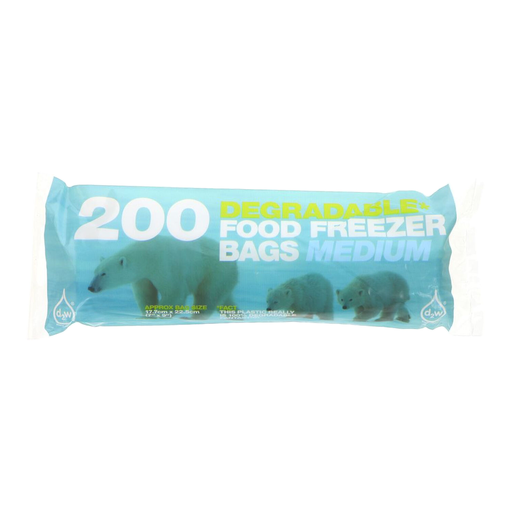
Why This Fits Their Persona: Perfect for households that buy in bulk or batch cook. The large freezer bags (10L capacity) can hold whole joints of meat, large portions of stew or loaves of bread, while the value pack size is economical for frequent use.
The high-strength material is designed to remain stable and avoid splitting in deep freeze conditions, tackling the durability deception. The secure zip seal provides a reliable closure against freezer burn.
Features d2w degradable technology, designed to break down faster than conventional plastic in a landfill. Includes a writable area for easy labelling and organisation.
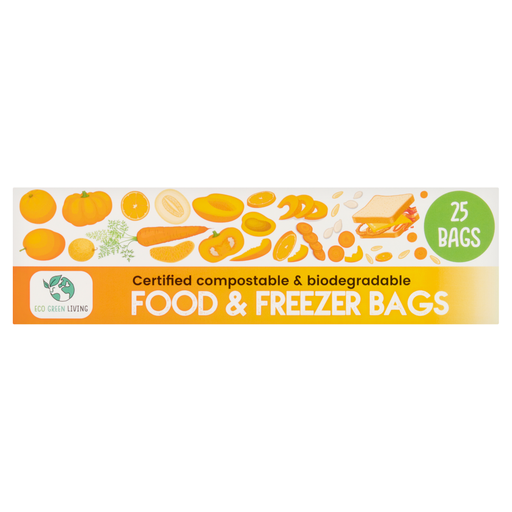
Why This Fits Their Persona: Ideal for those committed to a low-waste kitchen. These meal prep bags are made from plant-based materials and are suitable for portioning out meals, storing chopped vegetables or packing sandwiches.
This product directly counters the "eco-friendly illusion" by being EN13432 certified for compostability. This provides a clear, verifiable standard for its environmental claims, unlike vaguely labelled "green" products.
These are fully plant-based, plastic-free and certified for both home and industrial composting. The material is durable, leak-resistant and freezer-safe.
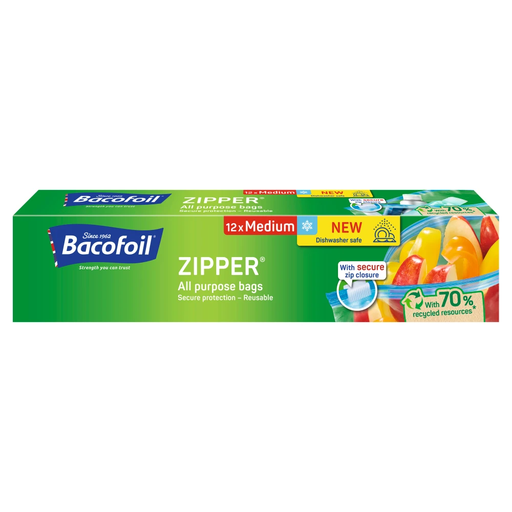
Why This Fits Their Persona: A reliable all-rounder for storing leftovers, marinating food or organising the freezer. The stand-up base makes filling easy, and the reusability offers good value and reduces waste without requiring composting.
It directly solves the "failing seal" problem with its audible zip-tight closure, giving you confidence that the bag is properly sealed. The tear-resistant material also ensures it holds up to repeated use.
Can be reused up to 10 times and is dishwasher safe for easy cleaning. The flexible stand-alone base prevents spills during filling, a common frustration with other bags.
We have compiled a complete, real-time list of products that fully satisfy these strict selection criteria and UK safety regulations.
Freezer burn occurs when air reaches the food's surface. To prevent it, always remove as much air as possible from the bag before sealing it. A good technique is to close the seal almost all the way, then press down on the bag to force the remaining air out before closing it completely. Also, ensure hot foods have cooled to room temperature before bagging and freezing.
It depends on your local waste disposal facilities. Compostable freezer bags are an excellent choice if you have access to an industrial composting collection service, as they break down fully under the right conditions. If not, they may not decompose properly in a standard landfill. Biodegradable food bags can be a better option for landfill disposal than conventional plastic, but the most impactful choice for reducing waste is often a durable, reusable food storage bag or container that can be used many times over.
This depends on the bag's quality and its previous contents. High-quality, heavy duty freezer bags can often be reused multiple times. Some brands state they can be washed and reused up to 10 times. As a rule, always wash bags thoroughly with hot, soapy water and allow them to dry completely before reusing. However, for safety, it is advisable to discard any bags that have held raw meat, fish or eggs.