
24/7 全天候客户支持

免费退货

当日/次日达

品质保障

开启新人专享福利: 全场免邮 | 低至 2 折 | 免费试用 30 天 JoyPlus 会员
下载 Joybuy
Freezer bags can make batch cooking, leftover storage and weekly meal preparation easier—but the wrong type may waste food, freezer space and money. A bag that looks thick on the packaging may still split around sharp bones, while a generous pack quantity is not useful if the bags are too small for your portions.
The most common buying traps are easy to overlook:
Size affects both usability and freezer organisation. Small freezer bags are suitable for individual servings, chopped ingredients, snacks and grated cheese. Medium options work well for leftovers, sauces and smaller meal-prep portions. Large freezer bags are more practical for whole cuts of meat, loaves of bread, family-sized casseroles and bulk vegetables.
Useful sizes in this range include:
Leave room at the top for food to expand, particularly when storing soups, sauces or other liquids.
For regular freezing, look for heavy-gauge or heavyweight polythene. A thicker structure can provide more resistance to tearing and punctures than a thin general-purpose bag, although sharp bones and protruding food should still be wrapped or removed.
Some reusable freezer bags use multi-layer materials such as PET, aluminium and PE. Aluminium foil freezer bags can help block light and reduce odour transfer, while a stand-up base may make filling easier. However, material construction does not make a bag suitable for cooking. Always follow the product instructions and keep bags away from high heat.
For food-contact use, check the packaging for the manufacturer’s instructions and any relevant food-contact information. Freezer-safe wording should be clear rather than assumed from the bag’s appearance.
A secure zip-tight or sliding zipper seal is useful for leakproof freezer bags, but correct filling and closure remain important. Wipe the sealing strip clean, avoid overfilling and press along the whole seal before placing the bag flat in the freezer.
Freezer bags with labels or writable areas are particularly helpful for meal prep. Add the contents and freezing date so older portions can be used first. Removing excess air before sealing also helps limit moisture loss and the risk of freezer burn. For liquid food, cool it thoroughly before transferring it to the bag.
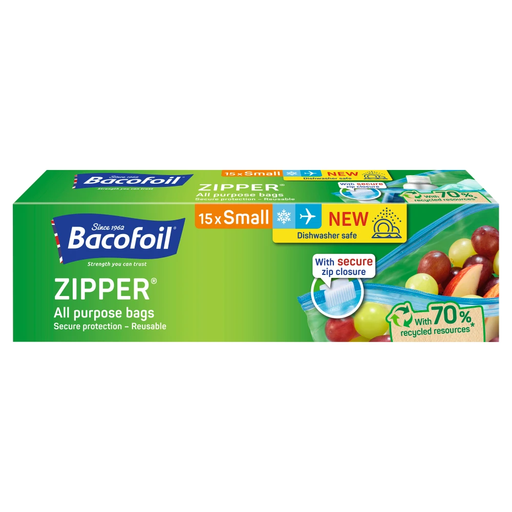
Why This Fits Their Persona: The 1L size is practical for single portions, packed lunches, chopped ingredients and modest freezer storage in smaller UK kitchens.
The product lists a zip-tight closure, tear-resistant material and a stand-alone base, helping address difficult filling and unreliable sealing.
Pack contains 15 bags; listed as dishwasher-safe and reusable up to 10 times.
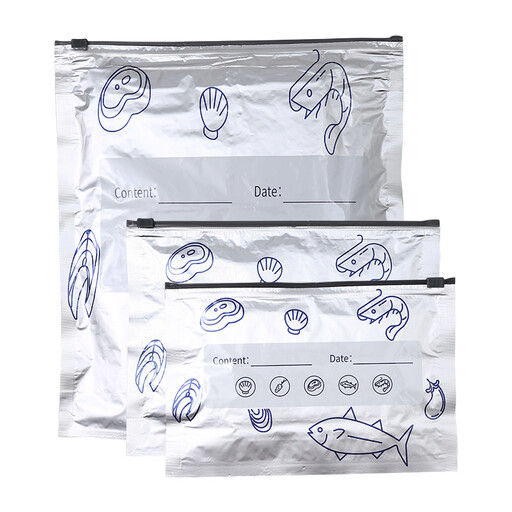
Why This Fits Their Persona: Three sizes help households storing varied portions, while the stand-up format and writable area support organised fridge and freezer use.
Its stated PET, aluminium and PE layers, sliding seal and label area provide clearer functionality than relying on vague “freshness” wording.
Includes 30 bags across three sizes; listed as washable, reusable and suitable from -20°C to 100°C. Not for ovens, microwaves or cooking.
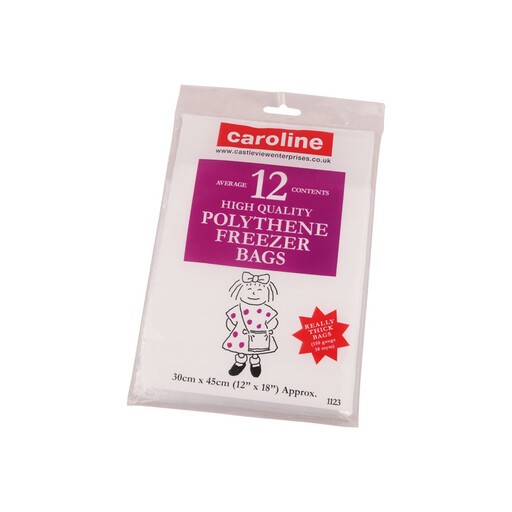
Why This Fits Their Persona: The large 30 x 45cm format suits bulk cooking, large portions, catering preparation and households freezing family-sized food.
The stated heavyweight construction and moisture-locking design address the risk of thin bags splitting or allowing excess frost exposure.
12 large bags per pack; listed as freezer-safe and suitable for meat, vegetables, leftovers and portioned food.
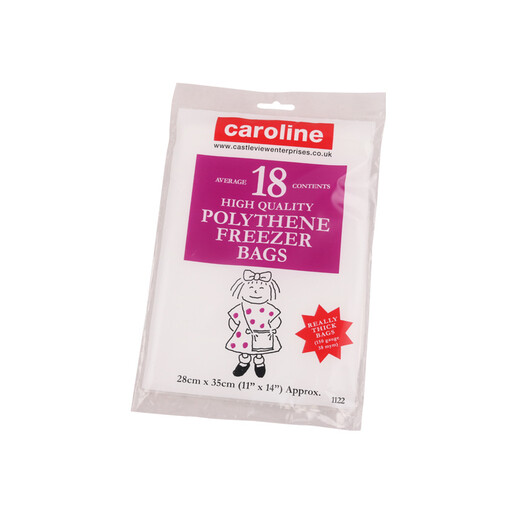
Why This Fits Their Persona: This medium-large format works for soups, stews, vegetables, marinated proteins and other planned portions prepared in advance.
The heavyweight construction and recommended air removal directly address moisture loss and freezer-burn concerns.
Pack of 18; 28 x 35cm size supports portioning, leftovers and batch cooking.
We have compiled a complete, real-time list of products that fully satisfy these strict selection criteria and UK safety regulations.
Whether you choose disposable or reusable freezer bags, preparation makes a difference:
For ice, dedicated ice cube bags can be more convenient than filling ordinary food storage bags. The Caroline Blue Ice Cube Bag measures 19.5 x 31cm and is designed to produce 24 cubes per bag. Leave space for water expansion and keep the filled bag flat while freezing.
Some are. Bacofoil’s small and medium zip bags are listed as reusable up to 10 times and dishwasher-safe. Multi-layer Maxcook bags are listed as washable and reusable. Reuse should depend on the food stored, the condition of the bag and whether it can be cleaned and dried properly. Discard any bag with a damaged seal, puncture or persistent odour.
The safe storage period depends on the food, freezer temperature, packaging quality and handling. A freezer bag does not create an unlimited shelf life. Follow UK food-safety guidance, use the date label and rotate older portions first. Removing air can help reduce freezer burn, but it does not replace correct freezing and storage practices.