
24/7 Customer Support

Free returns

Same-day & Next-day Delivery

Quality Guaranteed

Unlock Your Welcome Offers: FREE Delivery | Up to 80% OFF | Free 30-day JoyPlus trial
Download the APP
Choosing foundation makeup is rarely as simple as picking a shade that looks close on a screen. UK shoppers need to balance coverage, finish, wear time, skin type, ingredients and sun protection—while avoiding product descriptions that promise more than the formula can realistically deliver.
Whether you are comparing liquid foundation, a serum foundation or a compact formula, the right choice should suit how and where you wear it. Office lighting, rainy commutes, changing indoor temperatures and long social occasions can all affect how foundation looks and feels throughout the day.
A foundation with SPF can be useful as part of a morning routine, but the amount applied for makeup coverage is usually less than the amount used when sunscreen is tested. SPF 15, SPF 20 or SPF 30 foundation should not automatically replace a dedicated broad-spectrum sunscreen, particularly during prolonged outdoor exposure.
Always check the packaging for the current sun protection information and apply separate sunscreen when appropriate.
A long-wearing foundation may contain film-forming ingredients or powders that help resist transfer, sweat or shine. These characteristics can suit oily or combination skin, but may emphasise dryness if the skin is not moisturised properly.
Conversely, a hydrating foundation or radiant finish foundation may look comfortable on dry skin but require light powdering around the nose and forehead. “Long-wearing” describes expected wear characteristics, not a guarantee that the product will perform identically on every face.
Foundation shades can appear different depending on lighting, undertone and oxidation after application. The most practical matching point is the jawline, where the face and neck meet. Compare the shade in natural light and allow liquid formulas time to settle before judging the colour.
Look for undertone labels such as warm, cool or neutral, but treat them as a starting point rather than a substitute for testing where possible.
A highly pigmented formula is not automatically more practical. If you apply too much, it may settle around the eyes, nose or expression lines.
A radiant finish foundation reflects more light and can give dry or dull-looking skin a fresher appearance. A satin finish sits between matte and luminous, while a soft matte or satin-matte formula may be preferable for combination and oily skin.
Finish is also affected by skincare, primer, application tools and powder. Apply foundation over moisturiser that has had time to absorb, then use a brush, sponge or fingertips according to the texture.
A hydrating foundation may contain ingredients such as glycerin, sodium hyaluronate or hyaluronic acid. An oil-free foundation can be useful for shoppers who prefer a lighter feel or want to reduce surface shine, although “oil-free” alone does not determine whether a product will suit acne-prone or sensitive skin.
For a sensitive skin foundation, check the complete ingredient list, especially if you react to fragrance, essential oils, alcohol or particular preservatives. Patch testing is sensible, and any product should be discontinued if irritation develops.
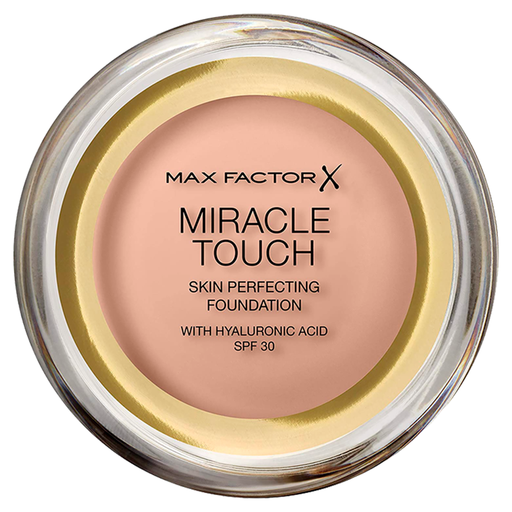
Why This Fits Their Persona: The compact format is convenient for quick application, handbag storage and shoppers beginning to build a daily makeup routine.
Its solid-to-liquid texture and buildable coverage make it easier to control the amount applied than a heavy single-layer formula.
Contains hyaluronic acid, is described as oil-free and non-comedogenic, and includes a sponge applicator.
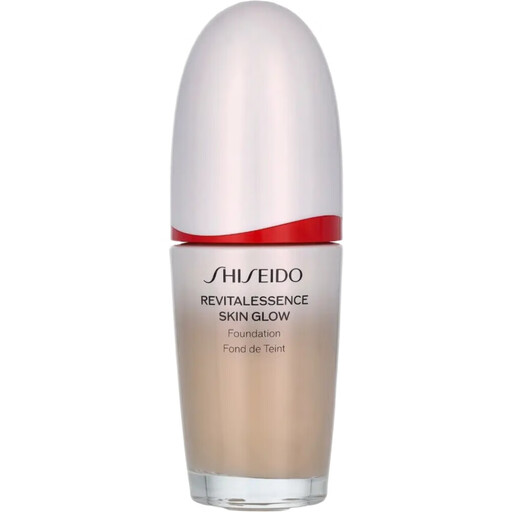
Why This Fits Their Persona: A suitable option for shoppers prioritising a lightweight texture, luminous appearance and SPF in a premium liquid foundation.
The product information specifies SPF 30 and a lightweight texture, so shoppers can assess these features rather than relying only on broad radiance claims.
Offers SPF 30 PA+++ and a light formula designed for buildable coverage with a radiant finish.
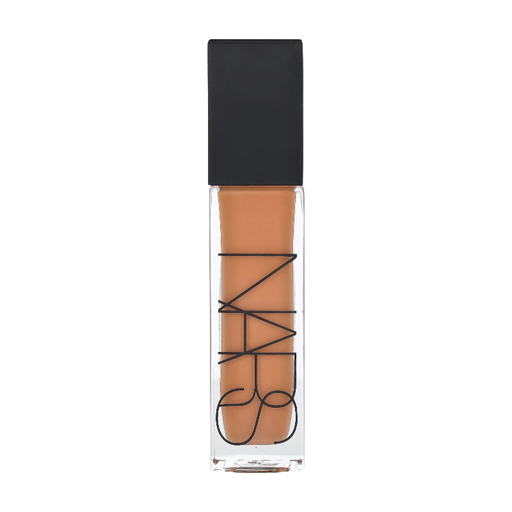
Why This Fits Their Persona: Its stated 16-hour fade-resistant wear and transfer- and sweat-resistant formula suit long working days, events and travel.
The published wear specification gives a clearer comparison point than an undefined “all-day” promise. Apply thinly and allow the colour to settle.
Provides medium-to-full coverage, a natural radiant finish and an oil-free formula.
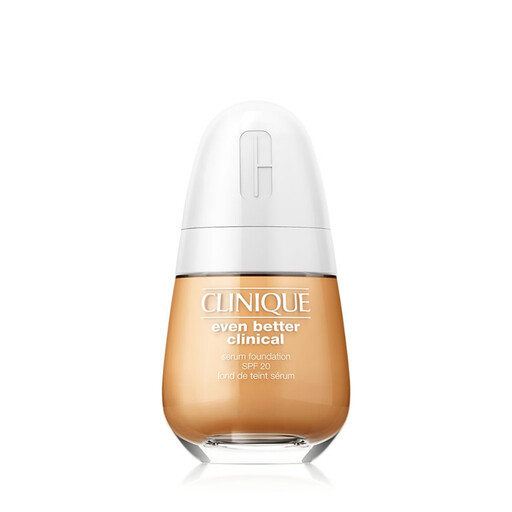
Why This Fits Their Persona: This liquid serum foundation suits shoppers seeking buildable coverage, an oil-free formula and a specific warm, deep shade.
The shade code and finish are clearly identified, while the oil-free, fragrance-free description helps narrow the choice for combination or oily skin.
Includes SPF 20, hyaluronic acid, salicylic acid and vitamin C in the listed formula.
Store foundation in a cool, dry place away from direct sunlight and excessive heat. Check the packaging for the current ingredient list, batch information and usage guidance. Avoid applying makeup to broken or irritated skin, and stop use if redness, itching or discomfort develops.
We have compiled a complete, real-time list of products that fully satisfy these strict selection criteria and UK safety regulations.
Shelf life varies by formula, packaging and storage. Follow the open-jar symbol and instructions printed on the product. Changes in smell, colour or texture are reasons to stop using it, even if some product remains.
It can be. Look for an oil-free foundation with a satin or soft-matte finish, then apply a thin layer and set only where shine develops. However, skin preparation and the amount applied can influence wear as much as the formula.
Generally, no. Foundation with SPF can provide additional protection, but it may not be applied in the quantity required for the stated rating. Use a dedicated sunscreen for prolonged exposure and follow its reapplication instructions.