What matters when choosing?
Start with the room and shared seating positions, then check the gaming modes your console or PC can actually use. Treat quiet-play connections as part of the setup if bedroom sound needs to stay contained.
| Concern |
What to check |
Who this matters to |
| Responsive play |
Check game mode, VRR and the refresh modes supported by the exact HDMI input, console and game. Xbox Support specifies HDMI 2.1-capable equipment for Series X gaming at 4K and 120Hz. |
Fast arena action makes me want controls and motion to feel responsive, rather than paying for a refresh-rate label I cannot use. Around 36% of consumers put responsive play first. |
| Shared-screen clarity |
Compare screen size from every usual seat and consider off-centre viewing. Hisense UK identifies 40–43 inches as a common bedroom range, not a rule for every layout. |
When several of us watch the same match, I need to follow the action from my seat without the screen dominating the room. For around 29% of consumers, shared-screen clarity comes first. |
| Bedroom fit and value |
Measure viewing distance and usable stand or wall space; check whether your games and equipment would use the gaming features you are considering. |
I need the TV to fit where it will stand and would rather choose features my setup can use. Bedroom fit and value are the first concern for around 21% of consumers. |
| Quiet play |
Confirm headset connection options and check for audio delay and any change to TV-speaker output. |
When I play while others sleep, I need to hear the match without disturbing them. Around 14% of consumers make quiet play their primary concern. |
Joybuy product choices
These TVs offer compact and larger-screen options for bedroom arena play. Measure the room before moving beyond a compact size, and check the exact HDMI and console modes before choosing on the strength of a gaming label.
 No image available
Hisense 55U7QTUK Pro 55-inch Mini LED TV
Consider this 55-inch option if your measured bedroom and seating positions can accommodate a larger shared screen.
The title specifies 4K, HDR, VIDAA and a built-in subwoofer. Check which gaming modes your console can use through the intended HDMI input before relying on the listed Game Mode Ultra feature.
View on Joybuy
 No image available
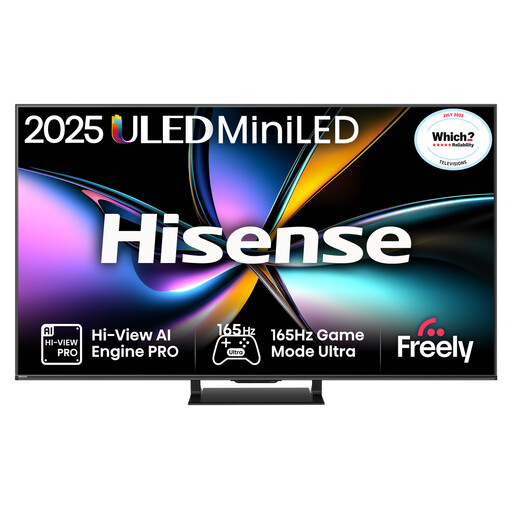
Hisense 65U7QTUK Pro 65-inch Mini LED TV
A 65-inch screen calls for careful measurement of the bedroom, viewing distance and furniture before it becomes a practical shared-play choice.
The title specifies Mini LED, 4K, HDR, VIDAA and a built-in subwoofer. Confirm the supported console modes on the HDMI input you intend to use.
Purchase link unavailable
 No image available
TCL 43V6C 43-inch Direct LED TV
The 43-inch size is a compact starting point for players seated relatively close together, subject to the room’s actual layout.
The title specifies 4K, HDR and 120Hz Game Accelerator at Full HD. That Full HD qualification does not establish a 4K 120Hz mode; check the exact console and HDMI support.
View on Joybuy
 No image available
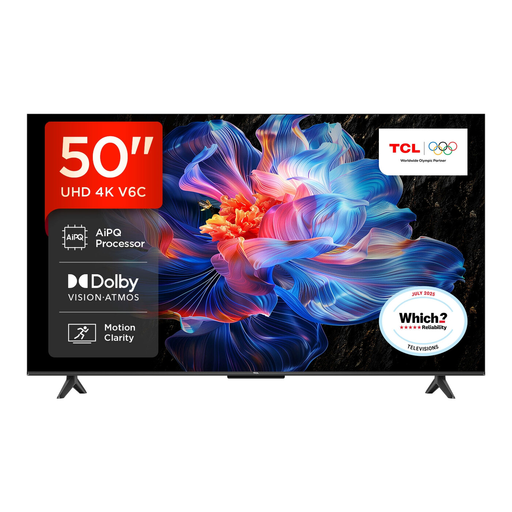
TCL 50V6C 50-inch Direct LED TV
This 50-inch option needs more room than the compact bedroom starting range; check whether every player can sit comfortably at the planned distance.
The title specifies 4K, HDR and 120Hz Game Accelerator at Full HD. Check the exact input and console modes rather than treating that feature as confirmation of 4K at 120Hz.
View on Joybuy
 No image available
TCL 50Q6C-UK 50-inch QD-Mini LED TV
Consider this 50-inch screen only after checking the bedroom’s viewing distance and available installation space.
The title specifies QD-Mini LED, 4K HDR and an ONKYO 2.1 audio system. Confirm this variant’s native refresh rate and the modes available through each HDMI input before choosing it for high-refresh play.
View on Joybuy
Frequently asked questions
Do I need a 144Hz TV for PS5 or Xbox Series X|S local multiplayer?
No: start by checking a TV’s supported 120Hz output, VRR and game mode against the games and console you use. PlayStation describes 120Hz output on compatible TVs and games, while Xbox Support specifies HDMI 2.1-capable equipment for Series X gaming at 4K and 120Hz. A higher panel refresh-rate claim does not mean a console game will run at that rate.
What TV size should I start with for a bedroom?
Start with your measured viewing distance, available stand or wall space and every player’s seat. Hisense UK identifies 40–43 inches as a common bedroom range; consider a larger set only if the room layout and shared view make it practical.
Can I use an OLED TV for games with fixed on-screen displays?
Yes, while taking prolonged static images into account. LG UK says image retention can occur when a static image stays on screen for an extended period. Use the TV’s screen-protection functions and avoid leaving paused game screens displayed unnecessarily.
How can I keep bedroom gaming quiet at night?
Check the exact TV’s headphone connections and how it handles speaker output when a headset is connected. For fast local play, also check whether your chosen TV and headset introduce an audio delay that bothers you.
What should I arrange for my old TV?
Check take-back arrangements with the seller before delivery, particularly if you need the old TV collected from home. GOV.UK explains that retailers covered by electrical-waste take-back requirements must offer to take back waste equipment of the same type as an item a customer buys; confirm the seller’s process for your replacement.


