Choose a desktop external hard drive if a growing genealogy archive normally stays at one desk, a portable hard drive if you need to move a separate copy between locations, or an external SSD for frequently carried working files. Whichever you choose, one drive should not be the only copy of family-history records; check capacity, computer compatibility and how you will restore the files.
Who needs an archive drive?
Growing family-history archivists
If scanned certificates, photographs and interviews are accumulating, allow room for new files and backup copies. The Library of Congress recommends keeping copies on different media in separate locations, rather than relying on one growing collection on one drive.
Researchers who keep an off-site copy
If a copy travels to a relative’s home or another storage location, consider its power supply, size and compatibility with the computer you will use there. A drive that travels should not become your only surviving copy.
Privacy-conscious genealogy organisers
If records include information about living relatives, consider how a carried drive will be protected against loss and whether its security features suit your needs. The Information Commissioner’s Office distinguishes purely personal or household activity from other uses when explaining the scope of UK GDPR.
What matters when choosing?
Desktop external HDD
Choose when: A large collection normally stays beside one computer.
Trade-off: It needs mains power and is less convenient to move off-site.
Portable external HDD
Choose when: You need to carry a separate archive copy between locations.
Trade-off: A travelling drive is more exposed to loss and physical damage.
External SSD
Choose when: You frequently carry and open working files, including large batches of scans.
Trade-off: Check that the chosen capacity accommodates your files; an SSD still needs a separate backup.
| Concern | What to check | Who this matters to |
|---|
| Room to grow |
Measure your files and allow space for new scans and retained versions. Check the exact capacity; Seagate notes that an operating system may report a lower figure than the labelled decimal capacity. |
If certificates, photographs and interviews keep accumulating, I need space beyond today’s collection. Around 37% of consumers put archive headroom first. |
| Recoverable copies |
Plan copies on different media in separate locations, as the Library of Congress recommends, and check that you can restore representative files. |
I want my research to remain accessible if a drive is lost or damaged, rather than depend on one archive copy. Keeping a recoverable copy is the main concern for around 18% of consumers. |
| Moving files off-site |
Check whether the drive is USB-powered or needs mains power, and whether its connector suits the computer you will use. |
If I take records to another household or store a copy elsewhere, carrying the drive needs to be practical. Around 27% of consumers chiefly need that portability. |
| Computer compatibility |
Check the operating system, factory file system and cable. Toshiba says its Canvio Basics range is supplied as NTFS for Windows and requires reformatting for the specified macOS versions. |
When relatives use different computers, I want to know how each will access the files before copying them over. Straightforward setup comes first for around 18% of consumers. |
Mistakes to avoid
-
Treating one external drive as the whole archive
A drive can be lost or physically damaged. The Library of Congress recommends copies on different media in separate physical locations for important digital files.
Make a second-copy plan before choosing capacity, and periodically check that representative records can be opened from a restored copy.
-
Leaving an isolated backup plugged in
A permanently connected backup may be affected if the computer is compromised. The National Cyber Security Centre advises against leaving a backup device permanently connected.
Connect it for the backup, confirm the files have copied, then safely disconnect it when the job is done.
-
Assuming a drive is ready for both Mac and Windows
Toshiba says its Canvio Basics range is formatted as NTFS for Windows and needs reformatting for the specified macOS versions.
Check the exact drive’s format, supported operating systems and cable before purchase. Keep another copy of any existing files before reformatting.
-
Choosing capacity from the box alone
Seagate explains that an operating system may report less capacity than the labelled decimal figure. Your collection may also grow as you add scans, audio and video.
Measure the archive you have now and leave room for anticipated additions and backup versions.
Relevant brands to consider
Western Digital
Its My Passport and My Book lines offer portable and desktop routes respectively. PCMag UK named the lines as its picks for most people in those separate categories in September 2026; that is not a judgement about every variant or its suitability as a genealogy archive.
- Compare the exact portable or desktop model against where you will keep each archive copy.
- Check the chosen variant’s capacity, connector, file system and included software rather than assuming features are shared across the lines.
Seagate
Seagate positions its Expansion Desktop line for desk-based storage and archiving; its UK range lists capacities from 4 TB to 30 TB.
- The listed range gives a capacity choice for a collection kept mainly at one desk.
- A desktop drive needs mains power. Confirm the exact variant and warranty terms before purchase.
Toshiba
The Canvio Basics portable range provides a USB-powered option for moving a copy; Toshiba’s EMEA range lists capacities up to 4 TB.
- Its portable format suits a copy that needs to travel between locations.
- Toshiba specifies NTFS formatting for Windows and reformatting for the listed macOS versions. Check the cable and exact regional variant too.
Joybuy drive choices
These portable hard drives and SSD offer choices for a travelling archive copy or frequently used working files. Match their stated capacity and connections to your collection and computer, and keep a separate backup.
 No image available
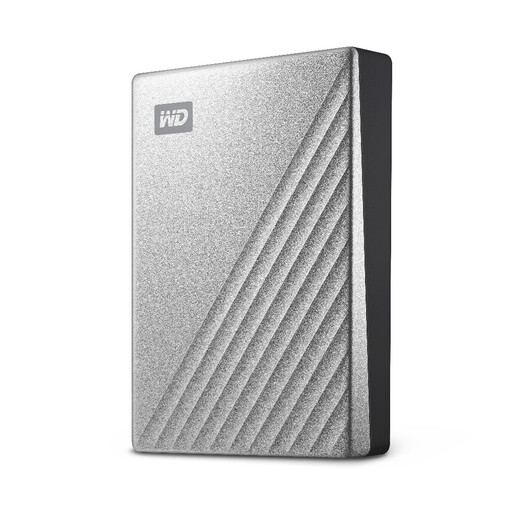
Western Digital My Passport Ultra 4TB Portable Hard Drive, Silver
Consider this 4TB portable hard drive for a copy you need to move between locations. If you use a Mac, check the stated NTFS-driver requirements against your macOS version and intended workflow.
View on Joybuy
 No image available
Western Digital My Passport Ultra 5TB Portable Hard Drive, Blue
Consider this 5TB portable hard drive if your travelling copy needs room for a growing collection. Plan the file system before Mac use: the product information says reformatting is required, so preserve another copy of your files first.
View on Joybuy
 No image available
Samsung T7 Shield 1 TB Portable SSD, Blue
Consider this USB 3.2 Gen.2 portable SSD for working files you carry and open frequently. Its stated 1 TB capacity calls for a check against your current archive and expected growth; do not treat it as your only copy.
View on Joybuy
 No image available
Western Digital Elements Port. 4TB External Drive, Black
Consider this 4TB USB3.0 drive for a portable copy of your records. Before using it with a Mac or another operating system, check its file system and whether reformatting is needed; keep another copy before making changes.
View on Joybuy
Common questions
Is one external drive enough to preserve genealogy records?
No. The Library of Congress recommends keeping copies of important digital files on different storage media in separate physical locations. Plan another copy and periodically check that you can restore and open your records.
Should I leave a backup drive plugged in?
Not if it is meant to be an isolated backup. The National Cyber Security Centre advises against leaving an external backup device permanently connected; disconnect it safely after confirming a backup and practise restoring files.
Will a Windows-formatted portable drive work on a Mac?
It may need preparation before you use it for your archive. Toshiba says its Canvio Basics range is supplied as NTFS for Windows and requires reformatting for the specified macOS versions. Check the exact model and preserve another copy of any files before reformatting.
Does UK GDPR apply to my family-history archive?
The Information Commissioner’s Office says UK GDPR does not apply to an individual’s processing carried out purely for personal or household activities. Do not assume that exemption covers an organisation, business or public project involving living people’s information; assess how the records will actually be used.


