What matters when choosing?
For consumers researching family history at a small desk, start with the requirement that would most affect your work: usable space, text entry, handling documents or access to your chosen service.
| Concern | What to check | Who this matters to |
|---|
| Desk space and viewing |
Compare device dimensions and weight, leaving room for the stand or keyboard. Assess 10.9–11-inch screens against larger alternatives. |
If my desk is crowded, I need to see records without losing space for my notes and typing setup. Around 33% of consumers put usable desk space first. |
| Typing and navigation |
Check keyboard compatibility, trackpad availability and the space the attached setup occupies. |
Entering names, dates and citations regularly makes reliable text entry my priority. For around 27% of consumers, typing and navigation come first. |
| Scans and notes |
Confirm pen support and whether it is included; check the exact model’s storage options if you keep files locally. |
When I retain family photos or annotate documents, I want a workable way to organise that material. Around 20% of consumers prioritise capturing and keeping research files. |
| Genealogy-service access |
Check your service’s app or browser workflow and the record collections available through your account. |
If my research depends on particular records and tree tools, access to those features matters before the tablet’s other extras. Service access is the primary concern for around 20% of consumers. |
Joybuy tablet choices
These tablets include compact options for searching records and taking notes, plus a larger-screen option for a desk that can accommodate it. Check each model’s full working setup and your genealogy-service access before deciding.
 No image available
TABWEE T20 10.1-inch tablet with keyboard, mouse and stylus
Consider this compact-screen option if your research involves both typing and handwritten notes. The title states 256 GB storage and lists a keyboard, mouse and stylus; confirm the box contents, operating-system version and room needed for the setup. Check whether its stated 1280 × 800 display suits the record images you read.
View on Joybuy
 No image available
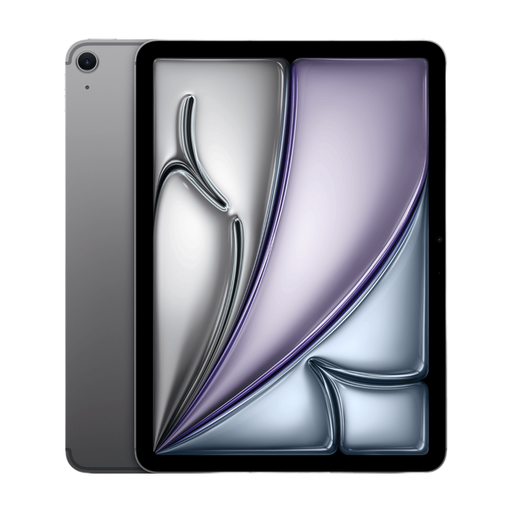
Apple 11-inch iPad Air (2026, M4), Wi-Fi, 128 GB, Space Grey
The 11-inch screen makes this an option to assess where desk space is limited and you use iPad genealogy apps or a browser. This is the Wi-Fi model with 128 GB storage; a Magic Keyboard is sold separately. Check keyboard compatibility and the footprint of the setup you intend to use.
View on Joybuy
 No image available
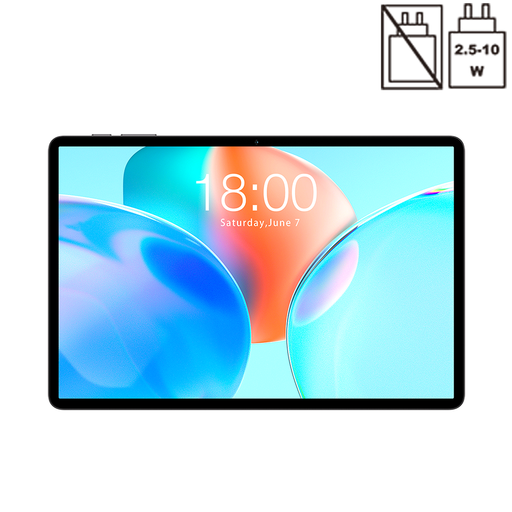
TECLAST P50T 11-inch Android 16 tablet, 4 GB RAM, 128 GB storage
This 11-inch Android tablet is worth checking if you want a compact screen for app-based record searches. Its title states 4 GB RAM and 128 GB storage. Check display legibility for original records and confirm which stand or typing accessories suit your desk.
View on Joybuy
 No image available
TECLAST ArtPad Pro 12.7-inch 2K tablet, 256 GB, with stylus
Consider the larger display if viewing documents and making handwritten notes matter more to you than keeping the setup compact. The title states a 12.7-inch 2K display, 256 GB storage and an included stylus. Measure the desk space needed at your preferred viewing angle, and check the stand and keyboard arrangement if you also type extensively.
View on Joybuy
 No image available
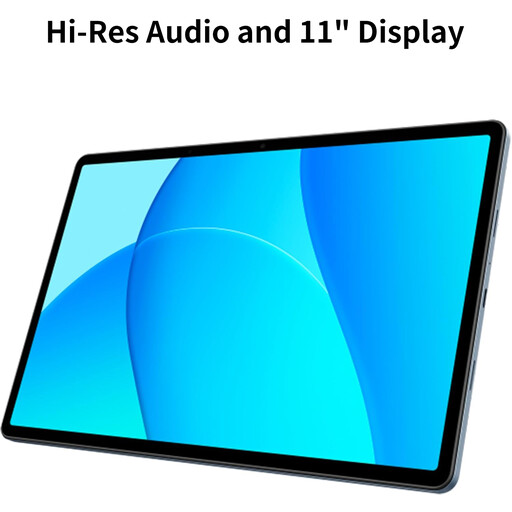
OPPO Pad SE OPD2420 EUN, 6 GB RAM, 128 GB, Twilight Blue, LTE
Check this tablet against the particular genealogy apps and record-viewing workflow you use. Its title states 6 GB RAM, 128 GB storage and LTE. Confirm its screen dimensions, software compatibility and the space required for a stand or keyboard before choosing it for a small desk.
View on Joybuy
Common questions
Is an 11-inch tablet enough for family-history research?
An approximately 11-inch tablet is a sensible starting point when desk space limits your choice and you mainly search records, read transcripts and edit a tree. If you routinely need detailed record images and notes visible together, assess a 12–13-inch model after measuring room for its stand and keyboard.
Do I need a keyboard to research family history on a tablet?
A keyboard is not essential for occasional searches, but consider one if you regularly transcribe records or enter names, dates and citations. Check compatibility with the exact tablet and allow desk space for it; Apple offers a Magic Keyboard with a trackpad for compatible iPad Air models separately.
Can I use Findmypast, Ancestry or FamilySearch on a tablet?
These services describe mobile family-history tools, but choose a tablet only after checking the tasks and account access you need. Findmypast describes transcript and original-document viewing, FamilySearch describes record searches and tree editing, and Ancestry describes adding family members and uploading photos in its app.
Does downloading a genealogy app give me access to every record?
No: app availability alone does not establish access to every record collection. Findmypast describes trial and subscription options in its app, while FamilySearch describes free historical-record searching; check the particular collections and account features your research requires.


