What matters when choosing?
iPad or Android tablet
Choose when: You mainly need mobile genealogy apps, prepared documents and notes in a portable format.
Allow for: Live searches and synchronised trees still need a connection; FamilySearch specifically documents an offline six-generation pedigree download on iOS.
Windows 2-in-1
Choose when: Your trip calls for substantial typing or a desktop-style local genealogy project.
Allow for: A keyboard can add to what you carry, and essential software must be checked against the device's exact processor and Windows configuration.
For family-history trips away from mains power, decide whether live access, prepared offline material or desktop-style project work is your primary need. Then check the device and connection against that task.
| Concern |
What to check |
Who this matters to |
| Live records and cloud trees |
Check for reliable venue Wi-Fi, a suitable cellular variant or a tested phone hotspot; confirm access to the records you intend to use. |
If I need to follow a new lead while visiting an archive, I want searches and tree updates to work there. Around 42% of consumers put live access first. |
| Prepared work offline |
Check local storage and test the specific saved pedigree, documents and notes in aeroplane mode before travelling. |
When I cannot count on a signal, I need my prepared references to open and somewhere to record discoveries. Offline reference is the primary need for around 33% of consumers. |
| Local project work |
Check required genealogy-software and file compatibility on the exact device; assess keyboard use and battery life under your workload. |
For longer research logs and a substantial local tree, I need the project tools I use at home to remain practical on the trip. Around 25% of consumers place desktop-style work first. |
Joybuy tablets for prepared research and field notes
These Android tablets offer different screen sizes, local-storage configurations and note-taking accessories for consulting prepared family-history material. Check your required apps, offline files and connection method before choosing; the products below are not a selection of Windows desktop-work devices.
 No image available
TECLAST ArtPad Pro 2025 Edition, 12.7-inch, 256GB
Consider this model if you want a larger tablet screen for prepared records and an included stylus for notes; check whether its 12.7-inch size suits what you carry.
The product name specifies a 2K display, 256GB storage, dual-SIM 4G LTE and an included stylus pen. Its stated 10,000mAh battery capacity does not establish runtime for your research session.
View on Joybuy
 No image available
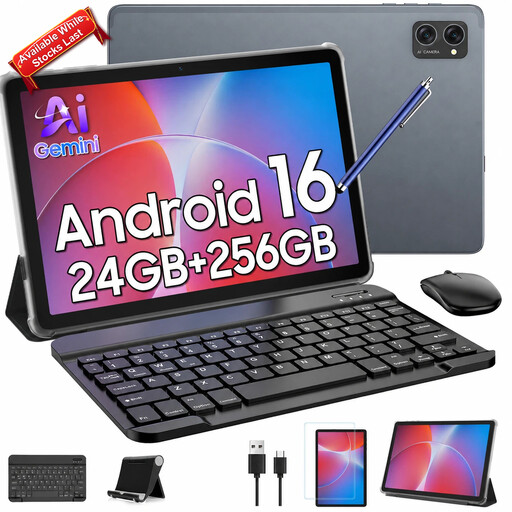
TABWEE T20, 10.1-inch, 256GB keyboard bundle
Consider this bundle if typed field notes and locally saved files matter more to you than a larger screen for scanned records.
The product name specifies a 10.1-inch display, 256GB storage, keyboard, mouse and stylus. Check that the display suits the documents you read and confirm the Android version needed by your apps.
View on Joybuy
 No image available
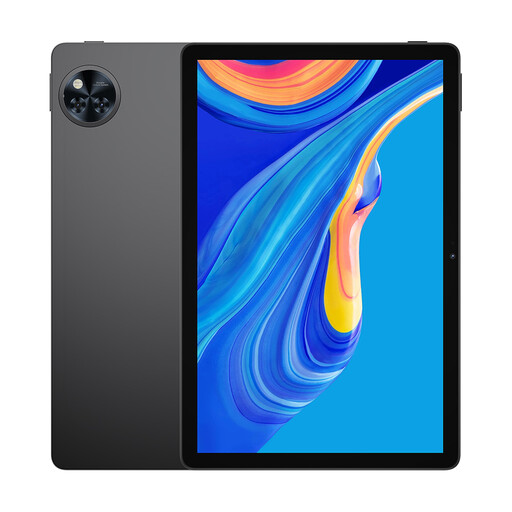
DOOGEE U11 PRO, black, 11-inch, 256GB
Consider this model for prepared documents on an 11-inch screen, while checking that its display and connection options suit your fieldwork.
The product name specifies 256GB storage and a 90Hz IPS screen. Confirm the exact battery, Android version and connectivity variant before relying on it for a trip without mains power.
View on Joybuy
 No image available
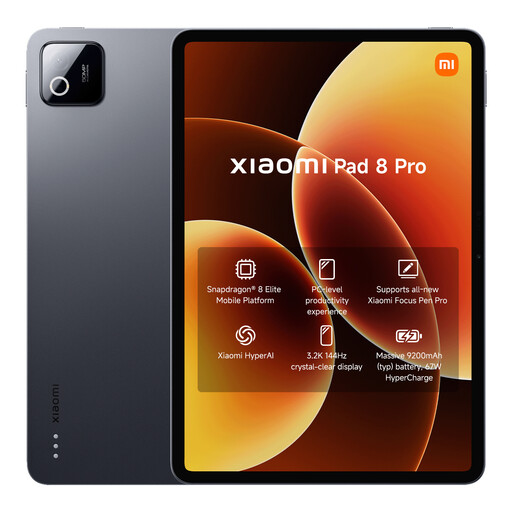
Xiaomi Pad 8 Pro, grey, 12G RAM, 512G ROM
Consider this configuration if you plan to keep a substantial set of permitted family-history files on the tablet rather than repeatedly downloading them.
The product name specifies 12G RAM and 512G ROM. Check cellular capability if you need live searches away from Wi-Fi, and assess battery life with your intended apps and connection.
View on Joybuy
Common questions
Can I use Ancestry or Findmypast completely offline on a tablet?
Do not plan on complete offline record access. Ancestry says its app data is stored on its website and directs users to reconnect when the app is offline; Findmypast describes record-search functions but does not establish a complete offline record-search mode. Save material you are permitted to keep and test it before travelling.
What can I view offline in FamilySearch?
FamilySearch documents an iOS option to download a six-generation pedigree for offline viewing. Download and open it before your trip; the feature should not be treated as offline access to the complete record collection.
Do I need a cellular tablet for a genealogy trip?
A Wi-Fi-only tablet can be sufficient if your needed material is prepared offline or reliable Wi-Fi is available. Consider cellular capability or a tested phone hotspot when live searches and cloud-tree updates are central to the trip, and check coverage and data use.
When is a Windows 2-in-1 worth considering?
Consider a Windows 2-in-1 when you need desktop genealogy software, substantial typing or local project-file management away from home. Check every essential application against the exact processor and Windows configuration, and account for any keyboard you intend to carry.
Will a stated battery life cover a full day without mains power?
A stated battery life is not a guarantee for a day of family-history research. Microsoft notes that actual Surface runtime varies with usage, network and settings; test your intended workload and, if needed, plan for a compatible power bank and cable.


