
24/7 全天候客户支持

免费退货

当日/次日达

品质保障

开启新人专享福利: 全场免邮 | 低至 2 折 | 免费试用 30 天 JoyPlus 会员
下载 Joybuy
A well-kept hedge can transform a garden, but choosing the right tool for the job can feel overwhelming. The market is filled with models boasting various power ratings, blade lengths and features. Unfortunately, it's easy to fall into common traps that lead to a purchase you regret—a tool that’s either too weak for your privet or too heavy to use for more than ten minutes.
As a Joybuy Product Recommendation Officer, my role is to help you see past the marketing clutter. This guide will walk you through the key considerations for selecting a hedge trimmer, focusing on the practical realities of maintaining a UK garden. We'll highlight a few common pitfalls and show you what to look for instead.
The "More Power is Better" Myth: It's tempting to go for the highest voltage or wattage, assuming it guarantees better performance. However, a high-power tool can be heavy, cumbersome and overkill for a small box hedge. Conversely, an underpowered model will jam and struggle with mature, woody growth. The real goal is to match the power type and level to your specific hedge type and garden size, not just to chase the biggest number.
Overlooking Weight and Balance: Many buyers focus on cutting ability and forget they have to hold the machine, often at awkward angles. A tool that feels manageable in the shop can become an ergonomic nightmare after 15 minutes of trimming. Poor balance and excessive weight lead to fatigue, sloppy cuts and potential safety risks. This is a hidden flaw that can make an otherwise capable hedge cutter almost unusable.
The Battery System Trap: A cordless hedge trimmer offers fantastic freedom, but it's crucial to consider the battery ecosystem. Buying a tool from one brand locks you into their battery and charger system. If you plan to buy other cordless garden tools later, you could end up with a collection of incompatible batteries, which is both costly and inconvenient.
To make a smart choice, focus on these non-negotiable specifications. Understanding them will help you find a tool that works for you, not against you.
Your garden's size and layout will largely dictate the most suitable power source.
These two measurements are critical for performance and suitability.
Never underestimate the importance of ergonomics for a tool you'll be holding for extended periods.
Instead of a generic list, we've matched a few models to specific user needs, helping you find a practical fit for your gardening style.
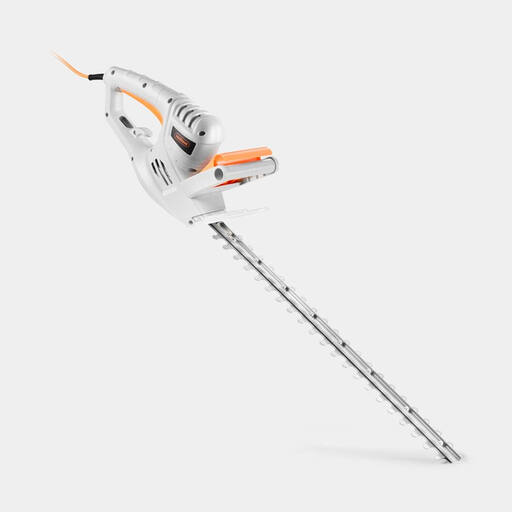
Why This Fits Their Persona: Ideal for homeowners with small to medium-sized gardens who need a reliable tool for routine maintenance. The corded design means no fussing with batteries or fuel, just plug in and go.
It sidesteps the battery trap with its corded design and directly addresses the weight pitfall with its 3.2kg build, making it comfortable for longer trimming sessions.
Features a generous 60cm dual-action blade for efficient cutting and a long 10-metre power cord for good reach in a typical suburban garden.
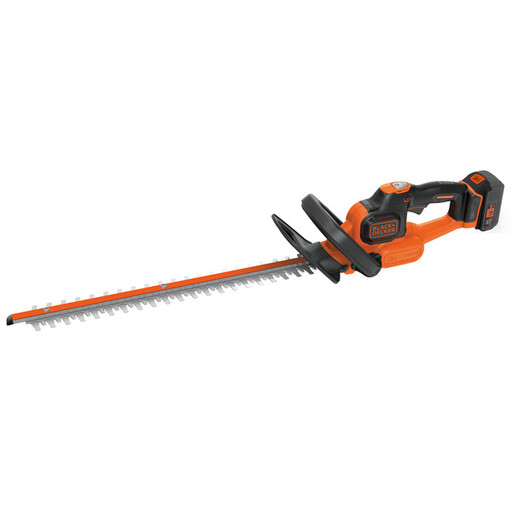
Why This Fits Their Persona: For those who value freedom from cables in a medium-sized garden. It's a great entry into a cordless system, especially for users who may already own or plan to buy other tools from the same family.
It directly counters the "Battery System Trap" by being part of the 18V POWERCONNECT range, where the battery is interchangeable with other Black + Decker tools, adding long-term value.
The POWERCOMMAND feature provides a power boost to cut through thicker branches, preventing jams. Its cordless nature and balanced design enhance safety and comfort.
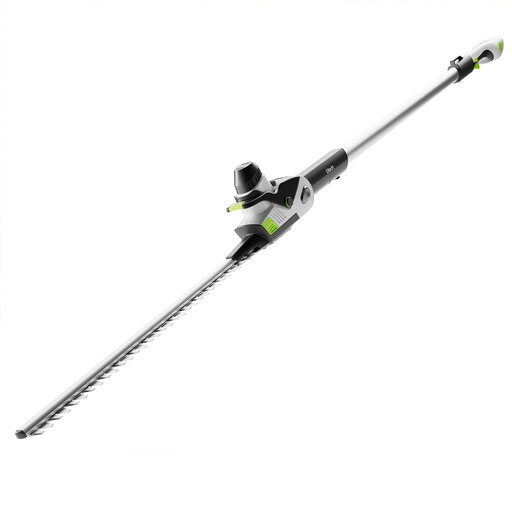
Why This Fits Their Persona: Specifically designed for those with tall hedges or shrubs that are difficult to reach safely. This tool eliminates the need for a ladder, providing a stable and controlled way to get a neat finish on high growth.
This is a purpose-built tool that prioritises safety and ergonomics for a specific, challenging task. Its light weight (2.94kg) and included harness directly combat the user fatigue pitfall.
The adjustable head rotates through 135°, allowing for easy trimming of hedge tops and sides from the ground. The cordless design provides the freedom to move around large hedges without restriction.
We have compiled a complete, real-time list of products that fully satisfy these strict selection criteria and UK safety regulations.
The power of a battery powered hedge trimmer depends on its voltage and, crucially, its tooth gap. A model with a 20V+ battery and a tooth gap of over 25mm can certainly handle thick, woody branches. For routine trimming of leafy growth, a standard 18V model with a smaller gap is usually sufficient. Always check the manufacturer's specified cutting capacity against the needs of your garden.
For optimal performance and longevity, it's good practice to clean the blades after every use. Wipe away sap and debris with a cloth and a resin solvent. This prevents buildup that can cause the blades to stick and strain the motor. Depending on usage, the blades may need sharpening every 50 hours of operation. Many users find it practical to have them professionally sharpened once a year.
Safety should always be the priority. We recommend always wearing the following: