
24/7 Customer Support

Free returns

Same-day & Next-day Delivery

Quality Guaranteed

Unlock Your Welcome Offers: FREE Delivery | Up to 80% OFF | Free 30-day JoyPlus trial
Download the APP
From washing up to deep cleaning the bathroom, a reliable pair of household gloves is a non-negotiable staple in any UK home. Yet, finding a pair that doesn't rip after a week, let water seep in, or feel uncomfortable can be surprisingly difficult. Many of us have been let down by gloves that promise durability but fail at the first sign of a tough chore.
Before you add another disappointing pair to your basket, it’s worth understanding the common pitfalls. Many shoppers fall for marketing that overlooks critical flaws, leading to wasted money and unprotected hands. The main issues often boil down to:
By paying attention to a few key details, you can easily find the right protection for your hands, your home and your wallet.
Navigating the options becomes much simpler when you know which features truly matter. Instead of focusing on brand hype, concentrate on these core parameters to ensure you get a product that performs as it should.
The material of your gloves dictates their suitability for different tasks, their durability and whether they are appropriate for sensitive skin.
Beyond the material, a few design elements separate a great pair of gloves from a mediocre one.
To help you find the right fit for your specific needs, we've matched some well-regarded options to common UK household profiles.
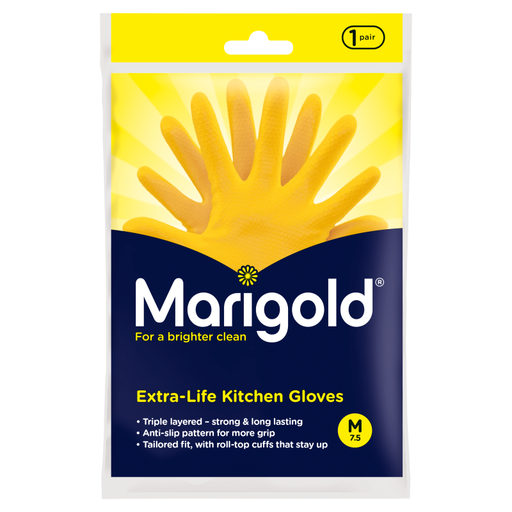
Why This Fits Their Persona: This user needs a durable, comfortable and reliable pair of reusable gloves for the daily task of washing up. They value longevity and a secure grip to handle soapy dishes safely.
Its triple-layer structure and nitrile coating directly counter the false durability trap of flimsy, single-layer gloves. The beaded roll-top cuffs prevent tearing and water ingress, solving the poor fit issue.
Features a unique "safe hold" anti-slip pattern for superior grip on wet items. The soft cotton lining ensures comfort during prolonged use.
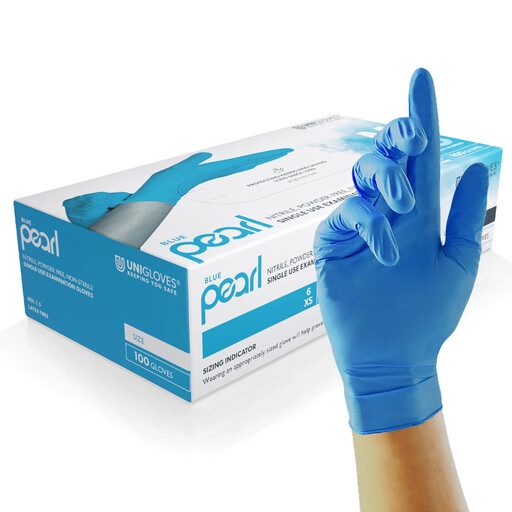
Why This Fits Their Persona: This user prioritises hygiene and safety in the kitchen. They need disposable, food safe gloves for tasks like handling raw meat, chopping chillies, or portioning food, often bought as a box of 100 gloves.
This avoids the material mismatch trap entirely. As nitrile gloves, they are specifically designed to be latex free, powder-free and suitable for contact with all food types, unlike standard rubber cleaning gloves.
These medical-grade gloves offer a reliable barrier and high dexterity. They are also touchscreen compatible, allowing you to check a recipe on a tablet without removing them.
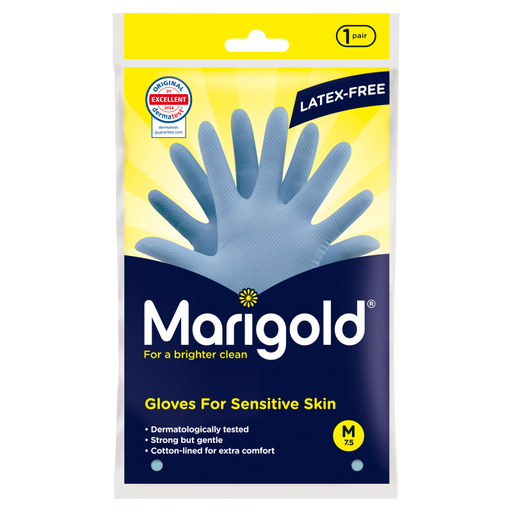
Why This Fits Their Persona: This individual has sensitive skin or a latex allergy and needs reliable protection from detergents and warm water without risking irritation. Comfort and skin safety are their top priorities.
It directly solves the material mismatch trap for sensitive users. Being explicitly latex-free and dermatologically tested, it removes the guesswork and potential for allergic reactions common with standard rubber gloves.
The combination of a durable, protective outer layer with a soft cotton-lined interior provides a comfortable barrier that reduces irritation and keeps hands dry.
We have compiled a complete, real-time list of products that fully satisfy these strict selection criteria and UK safety regulations.
1. How long should a good pair of washing up gloves last? The lifespan of reusable washing up gloves depends on frequency of use and the tasks they are used for. A quality pair with a multi-layer construction, like those from Marigold or Morrisons, should last for several months of daily use. To extend their life, always rinse them inside and out after use and allow them to air dry completely. Avoid contact with sharp objects or harsh industrial chemicals.
2. Can I use the same household gloves for cleaning the bathroom and washing dishes? For hygiene reasons, it is highly recommended to use separate pairs of gloves for different areas of the house. Keep one pair exclusively for the kitchen and another for bathroom cleaning to prevent the cross-contamination of germs. Many people use colour-coded gloves to easily distinguish between them.
3. Are nitrile gloves better than latex gloves for household chores? It depends on the chore. For washing up, many people prefer the flexibility and snug fit of traditional latex/rubber gloves. However, for tasks involving food preparation, handling chemicals, or for anyone with a latex allergy, nitrile gloves are the superior choice. They offer excellent chemical resistance, are puncture-resistant and are typically certified as food safe.